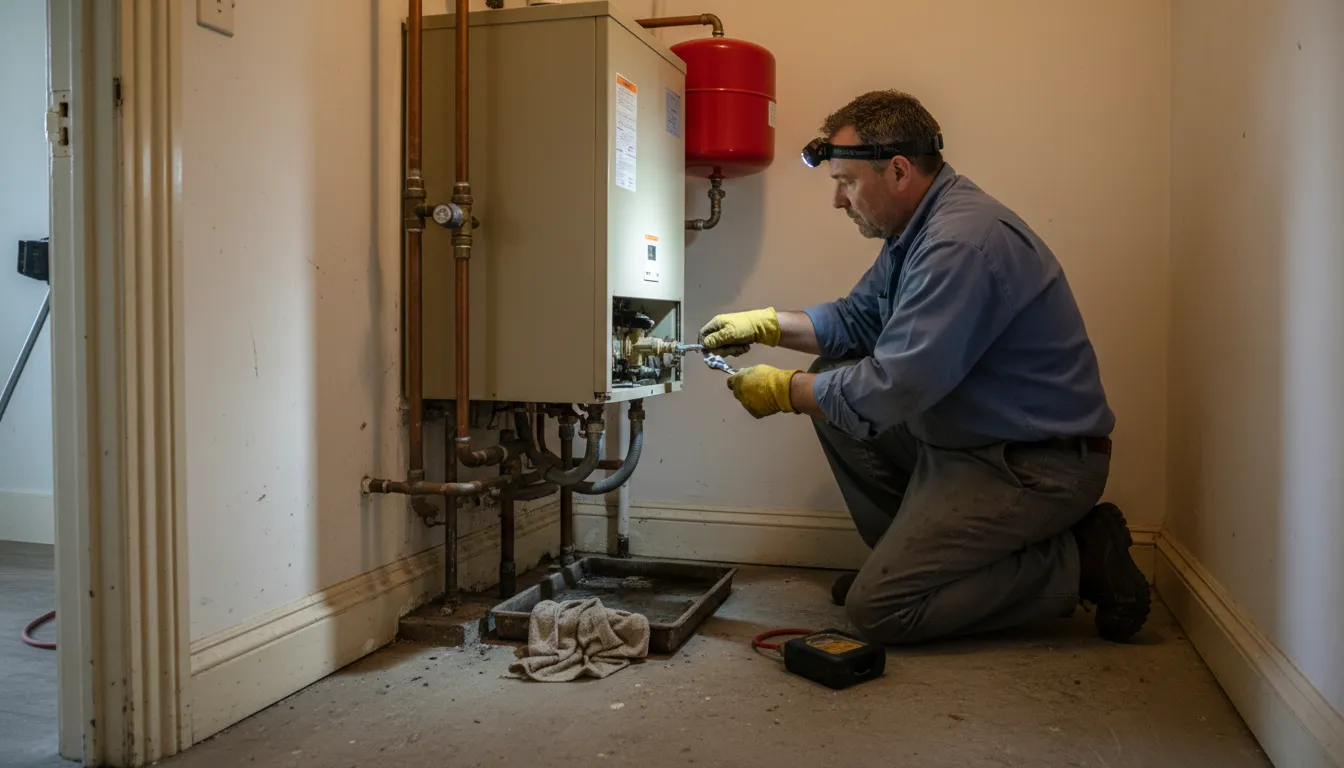
Find the Best Boiler Repair Contractors for Your Business
No obligation • Fast responses • Nationwide coverage

Why you can trust HVAC Firms
HVAC Firms is a leading United States resource for evaluating HVAC service providers. Our team researches companies, checks credentials, and reviews customer feedback to present clear, unbiased information. Listings and rankings are based on merit, and companies cannot pay to change our editorial content.
Search providers near you
Top Boiler Repair Contractors in Livermore, California Ranked
For Livermore homeowners, a reliable heating system is essential for comfort during the cooler months. Boiler repair and maintenance services focus on hydronic heating systems, which use hot water circulated through pipes to radiators or baseboards to provide warmth. This method of heating is prized for its quiet operation, consistent comfort, and excellent zone control, allowing different areas of your home to be heated to different temperatures. If your boiler is making strange noises, not producing enough heat, or has sprung a leak, finding a qualified local specialist is the key to restoring your home's comfort efficiently and safely. This guide will help you understand your hydronic system, recognize common issues, and navigate the process of repair versus replacement.
Heating And Air Experts - Affordable HVAC Contractor in Fremont, California
4991 Seneca Park Loop, Fremont, CA 94538
Heating And Air Experts - Affordable HVAC Contractor in Fremont, California provides heating and cooling services in San Jose, CA. They handle installation and repair of air conditioners, furnaces, heat pumps, and boilers. Their work covers both new system setups and emergency repairs to maintain efficient and safe climate control throughout the year.
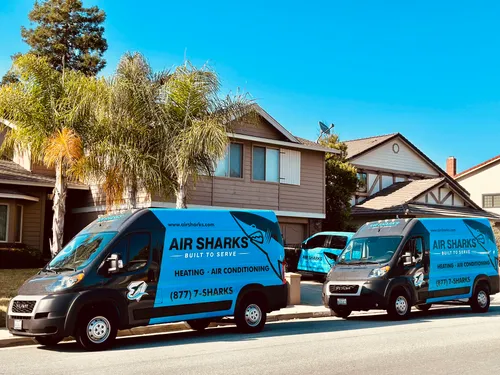
Air Sharks
1560 N 4th St #102, San Jose, CA 95112
Air Sharks is a licensed and insured HVAC company serving San Jose, CA, and nearby communities. They provide a full range of heating and cooling services including installation, repair, and maintenance for central and ductless air conditioning systems, furnaces, and boilers. Their expertise also covers ductwork cleaning, inspection, repair, and replacement to improve indoor air quality. The company emphasizes thorough inspections and offers detailed reports after service. Air Sharks has been serving the San Jose area for several years and employs background-checked and drug-tested technicians. They also provide emergency support and financing options to assist customers.
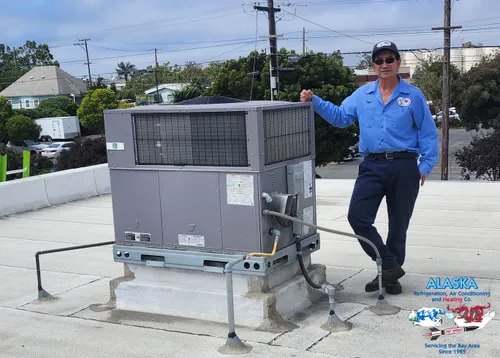
Alaska Refrigeration Air Conditioning & Heating Co
San Francisco, CA
Alaska Refrigeration Air Conditioning & Heating Co is a locally owned and operated company serving San Francisco, CA. They provide a wide range of services including commercial refrigeration, heating, air conditioning, ventilation, boilers, water heaters, and indoor air quality solutions. With over 40 years in the industry, they offer skilled technicians who handle repair, maintenance, and installation for both residential and commercial clients. The company is licensed, insured, and available 24/7 for emergency repairs, ensuring continuous support for their customers' HVAC and refrigeration needs.
Aire Serv of Campbell and Saratoga
San Jose, CA
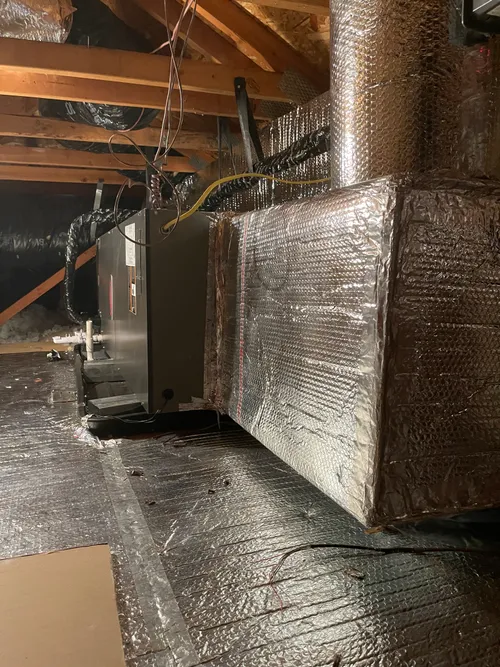
Aire Serv of Campbell and Saratoga provides heating, air conditioning, and indoor air quality services in San Jose, CA. They offer repair, installation, and maintenance for HVAC systems including furnaces, heat pumps, boilers, and air conditioners. Their services also include duct cleaning, thermostat installation, and air purification to improve indoor air quality. The company supports emergency HVAC repairs with 24/7 availability, ensuring comfort during unexpected breakdowns. Aire Serv is part of the Neighborly brand and serves residential and commercial customers in San Jose and nearby communities.
Equinox Air Conditioning
4825 Branham Ln, San Jose, CA 95118
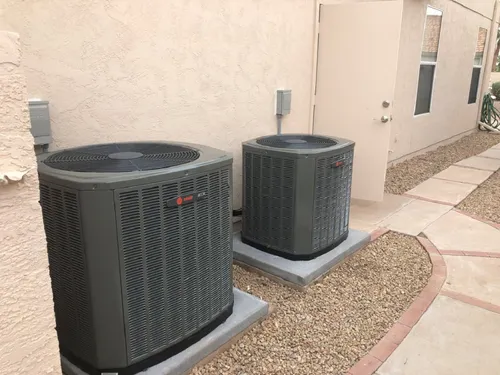
Equinox Air Conditioning is an HVAC company based in San Jose, CA, offering repair, installation, and maintenance services for heating and air conditioning systems. They service a range of equipment including air conditioners, furnaces, heat pumps, and boilers. The company provides solutions for both residential and commercial clients, ensuring comfort throughout the year. Equinox Air Conditioning works with all makes and models of HVAC systems, regardless of brand or age, and employs knowledgeable professionals to handle various HVAC needs.
Understanding Your Hydronic Heating System
Often referred to as radiant heat or hydronic heating, a boiler system is distinct from the more common forced-air furnace. Instead of blowing heated air through ducts, a boiler heats water, which is then pumped through a network of pipes to terminal units like cast-iron radiators, baseboard heaters, or even in-floor tubing 1. The heart of the system is the boiler itself, typically fueled by natural gas in Livermore. Key components include circulating pumps, zone valves, expansion tanks, and a complex array of pipes.
The primary advantage of this setup is its ability to provide steady, even heat without the drafts, noise, or air quality issues sometimes associated with forced-air systems. The zone control capability is a significant benefit, allowing you to heat only the rooms you use, which can lead to energy savings 2. Many older homes in the Livermore area utilize these durable systems, though they require specialized knowledge for proper servicing.
Common Boiler Issues in Livermore Homes
Recognizing the signs of a struggling boiler can help you address problems before they lead to a complete failure. Common issues include:
- No Heat or Insufficient Heat: This could stem from a faulty thermostat, a malfunctioning circulator pump, low water pressure, or a problem with the gas valve or ignition system.
- Strange Noises: Banging, whistling, or gurgling sounds (often called "kettling") are frequently caused by air in the lines, low water flow, or mineral buildup (scale) on the heat exchanger.
- Leaks: Dripping water or signs of corrosion around the boiler, pipes, or radiators indicate a breach that needs immediate attention to prevent water damage and system inefficiency.
- Pilot Light or Ignition Problems: If the pilot light won't stay lit or the electronic ignition fails, your boiler can't start. This may be due to a faulty thermocouple, a gas supply issue, or an electrical problem.
- Pressure Fluctuations: Boilers operate within a specific pressure range. Consistently high or low pressure readings on the gauge can signal a failing expansion tank, a leak, or a problem with the pressure relief valve.
Given Livermore's climate-characterized by mild winters but cool nights-your boiler may see less intense use than in colder regions, but it still undergoes thermal cycling that stresses components over time. Furthermore, local water quality can contribute to mineral scale buildup inside the heat exchanger and piping, reducing efficiency and potentially causing overheating noises.
The Critical Importance of Annual Maintenance
Proactive maintenance is the best way to extend the life of your boiler, improve its efficiency, and prevent costly mid-winter breakdowns. An annual check-up by a hydronic specialist typically costs between $150 and $300 and is a wise investment 3. A thorough maintenance visit should include:
- Inspecting and testing all major components (burner, heat exchanger, flue, pumps, valves).
- Checking system pressure and the condition of the expansion tank.
- Looking for signs of leaks or corrosion.
- Flushing the system if needed to remove sludge and scale (generally recommended every 5-7 years) 4.
- Ensuring proper venting and safety device operation.
This regular service not only keeps your system running smoothly but also helps maintain its efficiency. A clean, well-tuned boiler uses less fuel to produce the same amount of heat, saving you money on your energy bills.
Find the perfect boiler repair contractors for your needs
Get personalized recommendations and expert advice
Repair vs. Replacement: Making the Right Decision
When faced with a significant boiler problem, homeowners must weigh the costs and benefits of repair against a full system replacement. This decision hinges on several key factors.
When Repair is the Best Path: Repair is usually the most economical choice for systems that are less than 10-15 years old, are generally efficient, and have not required frequent, costly fixes. Common repairs like replacing a circulator pump, a zone valve, or fixing a minor leak often range from $200 to $1,000, which is substantially less than a new installation.
When to Consider Replacement: You should seriously consider investing in a new boiler if:
- Age: Your boiler is 15-20 years old or older. Efficiency drops and the likelihood of major component failure increases significantly with age.
- Efficiency: Your current unit has a low Annual Fuel Utilization Efficiency (AFUE) rating-below 80% is a clear indicator. Modern condensing boilers can achieve AFUE ratings of 90-98%, converting far more fuel into usable heat.
- Frequent Repairs: You are calling for service multiple times a season. The cumulative cost of repairs can quickly approach the investment in a new, reliable system.
- Rising Energy Bills: An older, inefficient boiler works harder to heat your home, which is reflected in your monthly gas bills.
The Replacement Investment: Replacing a boiler is a larger upfront project, with costs typically ranging from $4,000 to $8,000 or more, depending on the unit's efficiency, capacity, and complexity of the installation (e.g., updating zoning or piping) 5 6. However, the long-term savings can be substantial. A new high-efficiency model will consume less natural gas, and you may qualify for rebates from the California Energy Commission (CEC) or local utility companies, which can help offset the initial cost 7.
Choosing a Qualified Livermore Boiler Specialist
Not every HVAC technician is well-versed in the intricacies of hydronic systems. When seeking service for your boiler, look for a local Livermore or Tri-Valley area company that explicitly mentions expertise in boilers, radiant heating, or hydronic systems. Key qualifications to seek include:
- Proper state and local licensing for HVAC and hydronic work.
- Experience with your specific type of boiler (gas-fired, combi-boiler, etc.) and heat emitters (radiators, baseboards).
- Knowledge of modern, high-efficiency condensing boiler installations.
- Positive customer reviews that specifically mention boiler repair or installation.
- Willingness to provide a detailed, written estimate that breaks down parts, labor, and any potential ancillary costs.
A true specialist will perform a comprehensive assessment of your entire system, not just the boiler cabinet, and will clearly explain their diagnostic findings and all recommended options.
Frequently asked questions
Sources
Footnotes
-
4 Different Types of Heating Systems | Martel Plumbing and Heating - https://www.martelplumbingri.com/blog/4-different-types-of-heating-systems/ ↩
-
Pros and Cons of Hydronic Heating | First Supply - https://www.firstsupply.com/Knowledge-Center/pros-and-cons-of-hydronic-heating ↩
-
Foster Hydronic FAQ - https://www.hydronic.com.au/faq/ ↩
-
Should Hydronic Heating Systems Be Flushed? - Fante's HVAC - https://fantesphvac.com/should-hydronic-heating-systems-be-flushed/ ↩
-
Learn Hydronic System Fundamentals - https://www.bluegrasshydronics.com/post/mastering-the-basics-of-hydronic-systems ↩
-
Hydronic Heating vs Forced-Air Heating: Complete 2025 Guide - https://dynamicheatandcool.ca/hydronic-heating-vs-forced-air-heating-complete-2025-guide/ ↩
-
2025 Reference Appendices - California Energy Commission - https://www.energy.ca.gov/sites/default/files/2025-07/CEC-400-2025-010-AP.pdf ↩