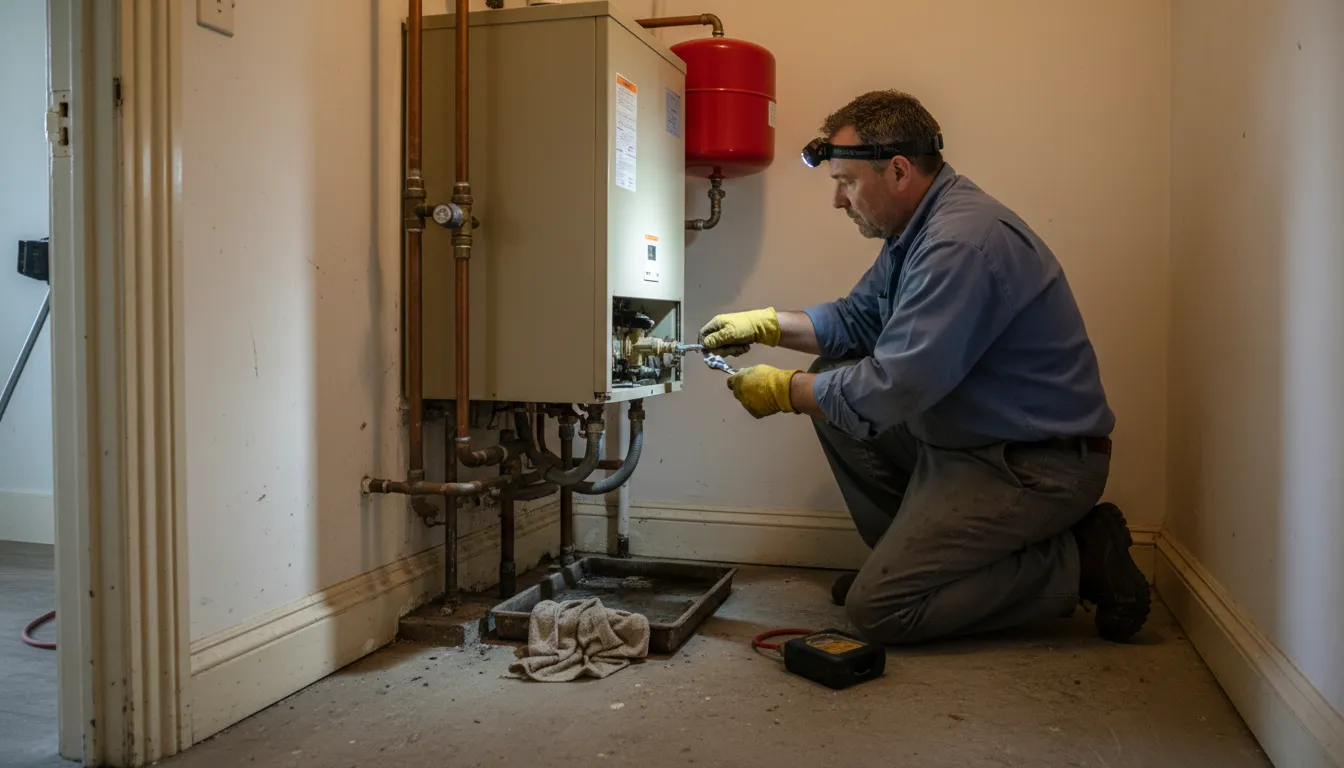
Find the Best Boiler Repair Contractors for Your Business
No obligation • Fast responses • Nationwide coverage

Why you can trust HVAC Firms
HVAC Firms is a leading United States resource for evaluating HVAC service providers. Our team researches companies, checks credentials, and reviews customer feedback to present clear, unbiased information. Listings and rankings are based on merit, and companies cannot pay to change our editorial content.
Search providers near you
Top Boiler Repair Contractors in Citrus Heights, California Ranked
A reliable boiler is essential for comfort in many Citrus Heights homes, especially those with older hydronic heating systems. When your boiler malfunctions, it can leave you without heat or hot water, disrupting daily life. This guide helps you understand your local boiler repair and replacement options, navigate California's evolving energy regulations, and make informed decisions to restore warmth and efficiency to your home.
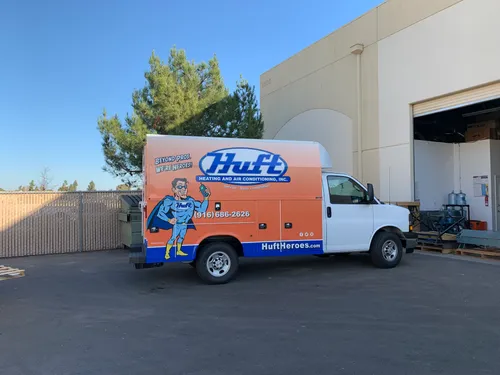
Huft Home Services Elk Grove
10103 Iron Rock Way, Elk Grove, CA 95624
Huft Home Services Elk Grove provides heating and cooling solutions in Sacramento, CA. They offer repair, installation, replacement, and maintenance services for a wide range of HVAC equipment including air conditioners, furnaces, heat pumps, boilers, mini splits, and geothermal heat pumps. The company is known for clear pricing and experienced technicians who provide advice tailored to each home's needs. Huft Home Services has been a preferred provider in the area for many years.
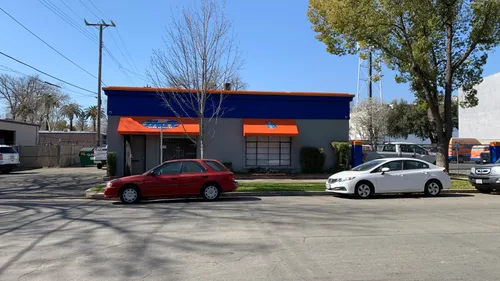
Huft Home Services Sacramento
Sacramento, CA
Huft Home Services Sacramento provides heating and cooling solutions in Sacramento, CA. Their team handles repairs, installations, replacements, and maintenance for a wide range of HVAC equipment including air conditioners, furnaces, heat pumps, boilers, mini splits, and geothermal heat pumps. The company is known for responding quickly to comfort needs and offers transparent pricing without hidden fees. With years of experience, Huft Home Services combines skilled technicians, plumbers, and comfort advisors to deliver knowledgeable and reliable service tailored to each home.
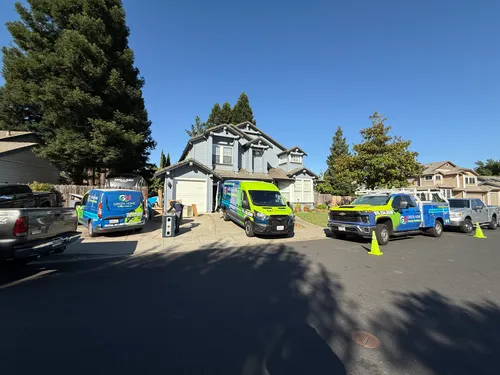
Green Home Heating and Air
2775 Cottage Way # 36, Sacramento, CA 95825
Green Home Heating and Air is an HVAC company based in Sacramento, CA, offering a wide range of heating and cooling services. Their expertise includes air conditioning, furnace, heat pump, boiler, and mini-split installation and repair, as well as duct cleaning and indoor air quality solutions. With over a decade of experience, they provide energy-efficient system upgrades and maintenance plans designed to improve comfort and reduce energy costs. The company also offers 24/7 emergency HVAC services to address urgent heating and cooling needs promptly. Serving Sacramento and surrounding counties, Green Home Heating and Air specializes in comprehensive HVAC diagnostics, system replacements, and commercial maintenance. They are known for their knowledge of rebate programs and commitment to cleaner technologies through partnerships like TECH Clean California. Their Maintenance Value Plan includes regular tune-ups, safety inspections, and discounts on repairs, supporting long-term system reliability and customer peace of mind.
Air Attack Heating and Cooling
Sacramento, CA
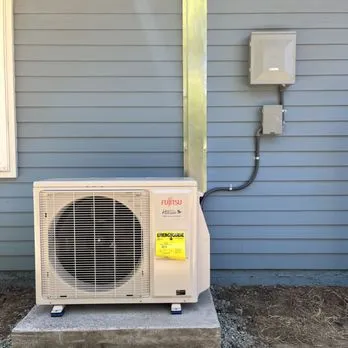
Air Attack Heating and Cooling is an HVAC company serving Sacramento, CA, and surrounding areas. They provide a range of services including installation, repair, and maintenance for air conditioners, furnaces, heat pumps, boilers, and mini split systems. The company covers multiple nearby communities such as Davis, Woodland, and Roseville, among others. Their team is equipped to handle HVAC tune-ups and system replacements to maintain comfortable indoor environments throughout the year.
Fusion Heating and Cooling Inc.
Sacramento, CA
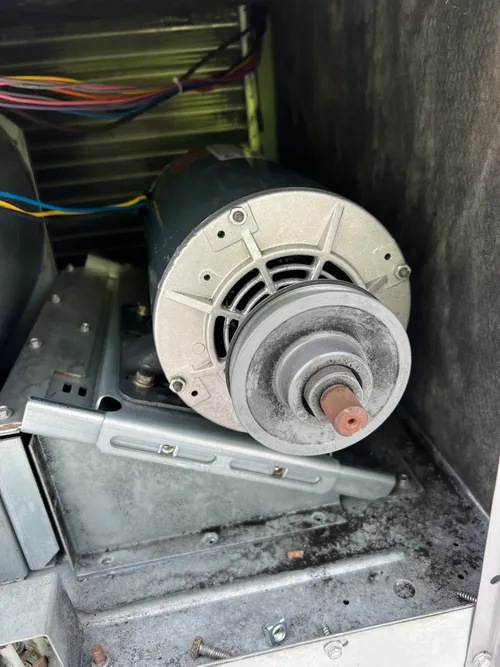
Fusion Heating and Cooling Inc. provides comprehensive HVAC services in Sacramento, CA. They specialize in heating and cooling system installation, repair, maintenance, duct cleaning, and indoor air quality improvement. Their licensed technicians offer energy-efficient solutions designed to enhance comfort and reduce energy use. Fusion Heating and Cooling Inc. has extensive experience and offers 24/7 emergency service to address urgent heating or cooling issues promptly.
Understanding Your Citrus Heights Boiler System
Many homes in Citrus Heights, particularly older builds, utilize hydronic heating systems. Unlike forced-air furnaces that blow warm air through ducts, these systems use a boiler to heat water, which is then circulated through a network of pipes to radiators, baseboard heaters, or in-floor tubing to provide warmth 1. This method of radiant heat is often praised for its consistent, comfortable warmth. The boilers themselves in these systems are frequently older cast iron or steel models, which, while durable, require specialized knowledge for proper maintenance and repair.
Given our region's relatively mild winters, your boiler may not run as constantly as it would in colder climates. However, when the temperature does drop, a functioning system is non-negotiable. The intermittent use can sometimes mask developing problems until a failure occurs, making regular maintenance by a qualified technician important for catching small issues before they become major, costly repairs.
Common Boiler Problems Requiring Repair
Recognizing the signs of a struggling boiler can help you address problems promptly. Common issues that necessitate a service call include:
- No Heat or Hot Water: This is the most obvious sign of trouble. It could stem from a malfunctioning thermostat, a failed circulator pump, a broken diaphragm or motorized valve, or issues with the pilot light or electronic ignition in gas models.
- Leaks and Dripping Water: Puddles or corrosion around your boiler or pipes indicate a leak. This could be from a faulty pressure relief valve, a corroded section of pipe, or a failing internal component like a heat exchanger. Even small leaks can lead to significant water damage and reduced system efficiency.
- Unusual Noises: Banging, whistling, or gurgling sounds (often called "kettling") are not normal. These noises are typically caused by limescale or sludge buildup in the heat exchanger, which traps steam and causes overheating, or by air trapped in the system.
- Pilot Light Problems: For gas boilers, a pilot light that frequently goes out or burns yellow instead of blue indicates an issue that needs professional attention, such as a dirty orifice, a faulty thermocouple, or a draft.
- Thermostat Inconsistencies: If your home's temperature doesn't match your thermostat setting, or if the boiler cycles on and off erratically, the thermostat itself may need calibration or replacement.
The Cost of Boiler Repairs in Citrus Heights
Repair costs can vary widely based on the complexity of the job, the part needed, and the labor rates of your chosen HVAC professional. It's always wise to get a detailed estimate before authorizing work. Here's a general range for common repairs:
- Minor Repairs: Fixing a thermostat, replacing a pilot assembly, or sealing a small leak typically falls in the $200 to $800 range.
- Major Repairs: Addressing more serious issues like replacing a circulator pump, fixing a significant leak in the piping, or-most critically-replacing a cracked heat exchanger can cost $1,000 to $3,000 or more.
When faced with a major repair, especially on an older unit, it's crucial to weigh the cost against the value and remaining lifespan of your current boiler.
The Repair vs. Replacement Decision
This is a critical crossroads for any homeowner with an aging or failing boiler. Repair is often the right choice for newer, high-efficiency models or for isolated, minor issues. It provides a lower upfront cost and can extend the system's life for several more years.
However, replacement becomes a compelling option in several scenarios:
- Age: If your boiler is over 15 years old, its efficiency is declining, and major components are nearing the end of their service life.
- Frequency of Repairs: If you're calling for boiler service multiple times a year, the cumulative repair costs may justify investing in a new, reliable system.
- Inefficiency: Older boilers operate at much lower Annual Fuel Utilization Efficiency (AFUE) ratings, wasting energy and driving up your utility bills.
- Future-Proofing: This is a particularly important factor in California.
Find the perfect boiler repair contractors for your needs
Get personalized recommendations and expert advice
Navigating California's Energy Landscape for Heating
California is at the forefront of a clean energy transition, and its policies directly impact home heating choices. The state's Title 24 Energy Code sets stringent efficiency standards for new and replacement appliances, with updates every three years to push the market toward cleaner technologies 2 3. More significantly, the state has passed a mandate that will prohibit the purchase of new natural gas-fired water heaters and furnaces beginning in 2030.
This policy direction makes "future-proofing" your home a smart consideration. While repairing your existing gas boiler is still a viable option today, investing in a new gas boiler as a replacement may not be the wisest long-term decision. Instead, homeowners are increasingly looking at high-efficiency electric alternatives that align with the state's goals.
Modern Replacement Options: Beyond the Traditional Boiler
When it's time to replace your heating system, you have several efficient options suitable for the Citrus Heights climate:
- High-Efficiency Condensing Boilers: Modern gas boilers can achieve AFUE ratings over 95%, significantly reducing fuel consumption compared to older models. While efficient, they are still subject to the future gas appliance restrictions.
- Electric Boilers: These units use electricity to heat water and are nearly 100% efficient at the point of use. They produce zero on-site emissions and are a straightforward replacement for a traditional hydronic system, though operating costs depend on local electricity rates.
- Air Source Heat Pumps: This is the technology receiving the most attention. Heat pumps are incredibly efficient, moving heat rather than generating it, and can provide both heating and cooling. Ductless mini-split heat pumps are an excellent option for homes without existing ductwork, while central heat pump systems can integrate with existing ducts. While the upfront cost is often higher ($8,000 to $15,000+), their efficiency can lead to lower operating costs 4.
- Heat Pump Water Heaters: For your domestic hot water needs, this is a highly efficient electric alternative to a traditional gas water heater.
Incentives and Rebates for Efficient Upgrades
To offset the cost of upgrading to cleaner technology, take advantage of available financial incentives:
- Federal Tax Credits: The Inflation Reduction Act offers tax credits for qualifying high-efficiency electric heat pumps and heat pump water heaters.
- Utility Rebates: Local utilities like PG&E often provide rebates for installing ENERGY STAR® certified heat pumps and other high-efficiency appliances. These can significantly reduce your net installation cost.
Recommendation: When evaluating your options, obtain multiple quotes from licensed, local HVAC contractors in Citrus Heights. Discuss both repair quotes for your current system and replacement quotes that focus on high-efficiency electric alternatives like heat pumps. A reputable contractor can perform a heat load calculation for your home, explain the pros and cons of each system for your specific situation, and help you understand the potential rebates and long-term savings 5.
Frequently asked questions
Sources
Footnotes
-
Pros and Cons of Hydronic Heating | First Supply - https://www.firstsupply.com/Knowledge-Center/pros-and-cons-of-hydronic-heating ↩
-
2025 Reference Appendices - California Energy Commission - https://www.energy.ca.gov/sites/default/files/2025-07/CEC-400-2025-010-AP.pdf ↩
-
New California Building Code Cycle Begins January 1, 2026 - Sonoma - https://www.sonomacity.org/new-california-building-code-cycle-begins-january-1-2026/ ↩
-
Boiler Service - Citrus Heights Heating - https://citrusheightsheating.com/Boiler-Service ↩
-
What Are The State Requirements For Hot Water Heaters In California? - https://rrelectrichvac.com/blog/what-are-the-state-requirements-for-hot-water-heaters-in-california/ ↩