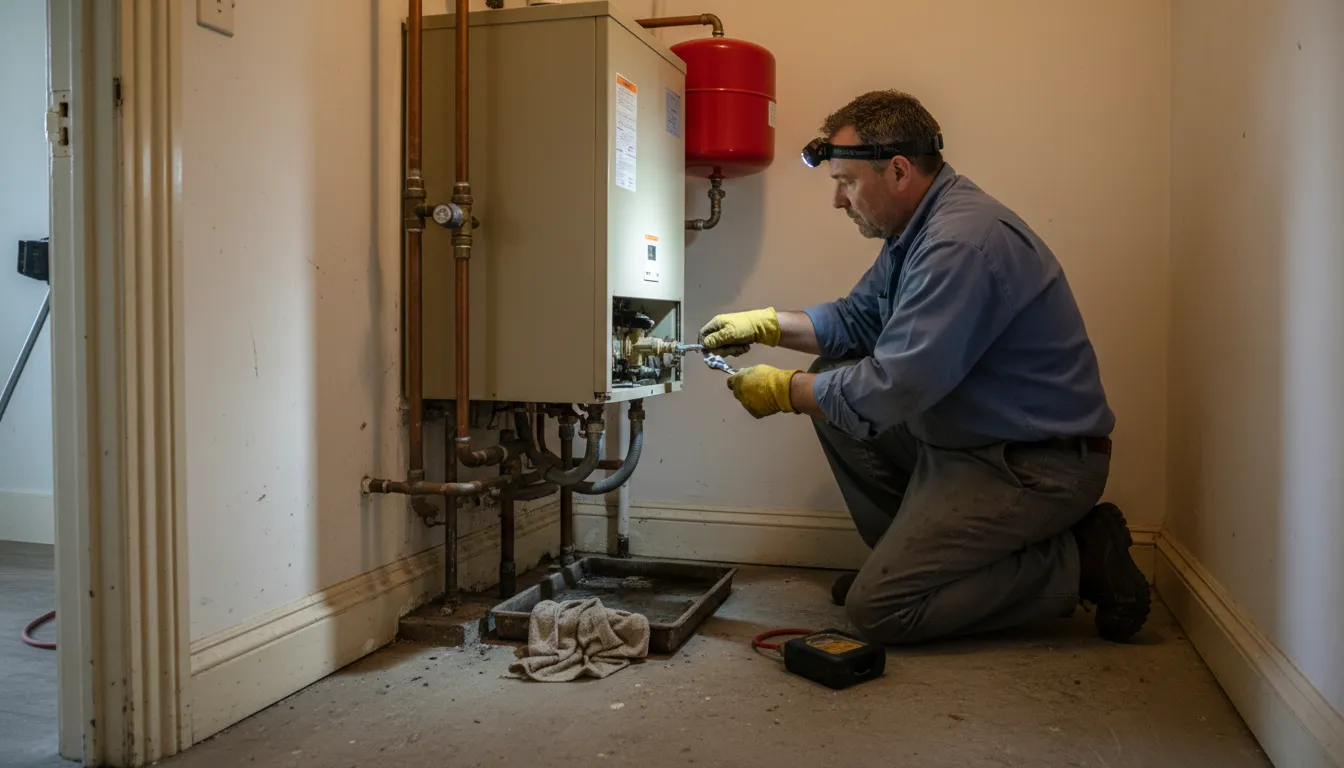
Find the Best Boiler Repair Contractors for Your Business
No obligation • Fast responses • Nationwide coverage

Why you can trust HVAC Firms
HVAC Firms is a leading United States resource for evaluating HVAC service providers. Our team researches companies, checks credentials, and reviews customer feedback to present clear, unbiased information. Listings and rankings are based on merit, and companies cannot pay to change our editorial content.
Search providers near you
Top Boiler Repair Contractors in Peoria, Arizona Ranked
When your home's heating system falters, it's more than an inconvenience-it's a disruption to your comfort and daily routine. Boiler repair services address issues with these specialized hydronic heating units, which are crucial for providing consistent warmth and, in many Arizona homes, domestic hot water. Understanding your options for maintenance and repair is essential, especially when deciding between a quick fix and a full system replacement. This guide will help you navigate the local landscape for boiler service, providing the knowledge you need to find qualified professionals who can restore your home's heating and hot water efficiently.
Champion Air
2025 W Rose Garden Ln, Phoenix, AZ 85027
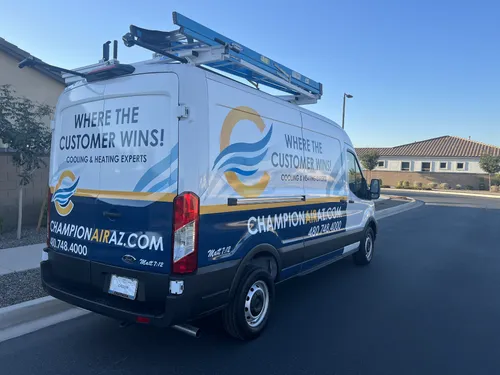
Champion Air is an HVAC company serving Phoenix, AZ, specializing in air conditioning, furnace, heat pump, and boiler repair and installation. They provide comprehensive services including routine AC maintenance, duct cleaning, and ductless HVAC system installation and repair. Known for their expertise with various heating and cooling technologies, Champion Air offers 24/7 emergency HVAC repairs to address urgent needs. Established in 1982, this family business has decades of experience and is an official Lennox Premier Dealer, ensuring skilled service across many makes and models.
Lipovic Heating & Cooling
723 N Hosick Cir, Mesa, AZ 85201
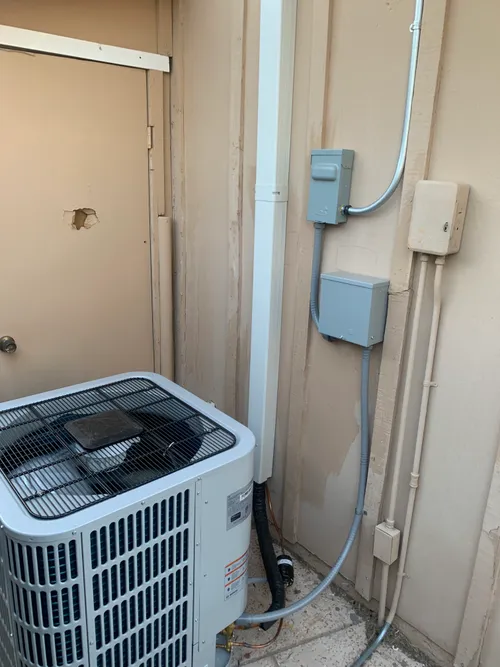
Lipovic Heating & Cooling is an HVAC company based in Mesa, AZ, specializing in repair and installation services for air conditioners, furnaces, heat pumps, and boilers. They focus on restoring equipment that other companies might recommend replacing, offering detailed plans to ensure proper operation. When replacement is necessary, they install systems designed for comfort and reliability. Their approach emphasizes doing the job correctly the first time.
Expert HVAC Services Inc
23650 N 35th Dr #120, Glendale, AZ 85310
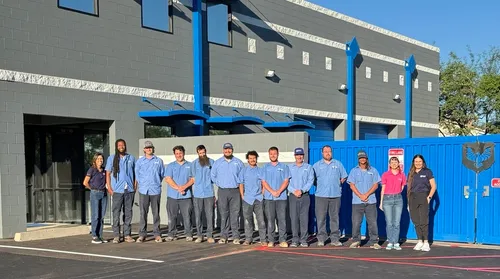
Expert HVAC Services Inc is an HVAC company based in Glendale, AZ. They provide a range of services including air conditioning, furnace, heat pump, and boiler repair and installation. The company also offers HVAC tune-up services to help maintain system efficiency. Expert HVAC Services Inc is available to assist with system replacements, seasonal maintenance, and urgent repairs.

One Hour Air Conditioning & Heating of Scottsdale
124 W Orion St STE F8, Tempe, AZ 85283
One Hour Air Conditioning & Heating of Scottsdale offers a wide range of HVAC services in Phoenix, AZ, including air conditioning repair and installation, furnace and boiler repair, heat pump maintenance, and indoor air quality solutions. They also specialize in geothermal system services, duct cleaning and repair, thermostat installation, and ductless mini-split systems. Their technicians use diagnostic tools and industry training to address issues such as refrigerant leaks, thermostat problems, and system failures. The company provides emergency HVAC repair services to restore comfort quickly when systems fail unexpectedly. With experience in handling complex heating and cooling systems suited for the desert climate, One Hour Air Conditioning & Heating of Scottsdale supports both routine maintenance and new installations. They emphasize clear communication and practical solutions to meet customer comfort needs.

Weather Masters
155 E Broadway Rd, Mesa, AZ 85210
Weather Masters is a family-owned HVAC company serving Mesa, AZ. Since 1983, they have provided repair, installation, and maintenance services for heating, cooling, and plumbing systems. Their licensed technicians handle a variety of equipment brands for both residential and commercial customers. Weather Masters offers turnkey solutions including furnace, heat pump, boiler, and air conditioning services.
Understanding Boiler Systems in Peoria Homes
Unlike forced-air furnaces, boilers use water to distribute heat, typically through radiators, baseboards, or in-floor radiant tubing. In Peoria's climate, these systems are less common than in colder regions, but they are prized for their even, comfortable heat. Many local installations are combination (combi) boilers, which serve a dual purpose: providing hydronic heat for your home and heating your domestic water on-demand. This efficient design is popular but means a single unit is responsible for both your comfort and your hot showers, making reliable operation and timely maintenance critical.
Common Boiler Types and Components
- Combi Boilers: As mentioned, these are compact units that heat water for both space heating and tap use, eliminating the need for a separate water heater tank.
- System Boilers: These work with a separate hot water storage cylinder, suitable for homes with higher simultaneous hot water demand.
- Key Components: Understanding basic parts can help you communicate with a technician. These include the heat exchanger, burner, circulator pump, expansion tank, pressure relief valve, and thermostat or control system.
The Peoria Climate: A Unique Factor for Boiler Care
Peoria's mild winters significantly impact boiler usage and service needs. Heating seasons are shorter and less intense than in northern states, which can be a double-edged sword for your boiler system.
- Reduced Wear: Less frequent and shorter heating cycles mean components like the burner and circulator pump experience less annual strain, potentially extending the system's lifespan.
- Importance of Water Heating: Because the boiler often handles your hot water year-round, that portion of the system is in constant use. This makes the reliability and capacity of the domestic hot water function a primary concern for local homeowners.
- Efficiency Considerations: While absolute heating savings from a high-efficiency boiler may be smaller in Arizona than in colder climates, efficiency still matters for the always-on hot water function and for those occasional cold desert nights.
Recognizing Common Boiler Problems
Knowing the signs of a failing boiler can help you address issues before they lead to a complete breakdown or safety hazard.
- No Heat or Hot Water: The most obvious sign. This could stem from issues with the thermostat, gas supply, pilot light, electronic ignition, or a failed component like a pump or valve.
- Strange Noises: Kettling (a rumbling sound) often indicates limescale buildup in the heat exchanger. Banging or whistling can point to air in the system, low water pressure, or a failing pump.
- Leaks or Drips: Any sign of water around the boiler or pipes requires immediate attention. Leaks can come from corroded pipes, a faulty pressure relief valve, or a cracked heat exchanger.
- Pilot Light Issues: A yellow or flickering pilot light (instead of a steady blue flame) can signal a combustion problem, potentially leading to dangerous carbon monoxide production.
- Rising Energy Bills: A gradual increase in your gas bills, without increased usage, often points to declining boiler efficiency.
Find the perfect boiler repair contractors for your needs
Get personalized recommendations and expert advice
Making the Critical Choice: Boiler Repair vs. Replacement
This is the central question for many homeowners facing a malfunctioning system. The decision hinges on several factors, primarily the age of your unit, the cost and frequency of repairs, and its current efficiency.
When Repair is the Smart Choice
Opting for boiler repair is typically advisable in the following scenarios:
- The Unit is Relatively New: If your boiler is less than 10-15 years old, repairs are usually cost-effective.
- The Problem is Minor: Issues like a faulty thermostat, a single bad valve, a minor leak at a seal, or a worn-out ignition component are often straightforward fixes.
- Repair Cost is Low: A good rule of thumb is to consider repair if the estimated cost is less than 25-50% of the price of a new, comparable boiler installation 1.
When Replacement is the Better Investment
There comes a point when pouring money into an old system is no longer economical. Consider boiler replacement if:
- Age is a Factor: Most boilers have a lifespan of 15-20 years. If yours is approaching or has exceeded 15 years, replacement often becomes more sensible, especially if a major component fails 2.
- Repair Costs Are High: If the repair estimate exceeds 50% of the cost of a new, high-efficiency unit, investing in a replacement usually offers better long-term value 3 4.
- Frequent Breakdowns: An aging boiler that requires service calls multiple times a year is a sign of systemic failure. The cumulative repair costs and inconvenience make replacement a practical solution.
- Inefficiency is Costing You: Older boilers operate at much lower efficiency (AFUE ratings). Upgrading to a modern, high-efficiency condensing boiler can significantly reduce your gas consumption for both heating and hot water.
- You Want to Leverage Incentives: Federal tax credits are available for qualifying high-efficiency gas water heaters and boilers, which can substantially offset the upfront cost of a new system 5.
Navigating Costs and Incentives for Peoria Homeowners
Understanding the financial landscape helps in planning. Costs can vary based on the boiler type, brand, complexity of the installation, and the specific repair needed.
- Typical Repair Costs: Minor repairs, such as replacing a thermostat or a heating element, might range from $150 to $400. More involved repairs, like replacing a circulator pump or heat exchanger, can cost significantly more 6.
- Replacement Investment: A full boiler replacement is a larger project, with costs varying widely based on the unit's efficiency rating and installation complexity. It's crucial to get detailed estimates from licensed professionals.
- Tax Credit Opportunities: The federal government offers tax credits for the purchase and installation of certain high-efficiency residential energy products. For instance, qualifying natural gas boilers and water heaters can make you eligible for a credit, directly reducing your tax liability 7. A qualified HVAC contractor can advise you on which models meet the current ENERGY STAR® requirements for these credits.
Finding the Right Professional for the Job
For a specialized system like a boiler, choosing the right technician is paramount. Look for a licensed, insured professional with specific experience in hydronic heating systems. They should perform a thorough inspection, provide a clear, written estimate, and explain the problem and proposed solution in terms you can understand. Check for positive local reviews and ask about their experience with your specific boiler brand or model.
Proactive Maintenance: The Key to Longevity
The best way to avoid costly emergency repairs is through annual preventative maintenance. A qualified technician will typically check for leaks, test pressure and relief valves, inspect the flue and burner, clean components, and ensure the system is operating at peak efficiency. This annual service can extend the life of your boiler, improve its safety, and help it run more economically.
Frequently asked questions
Sources
Footnotes
-
When to replace vs repair your boiler - https://yorkshireheatingrenewables.co.uk/advice/when-to-replace-vs-repair-your-boiler/ ↩
-
Should You Repair or Replace Your Boiler? | Westmore Fuel - https://www.westmorefuel.com/blog/planning-your-boiler-upgrade/ ↩
-
Boiler Repair vs Replacement Guide - Hahn Plumbing - https://hahnplumbing.com/is-it-better-to-repair-or-replace-a-broiler/ ↩
-
Boiler Repair vs Replacement: How to Make the Right Choice - https://www.grossiservicesinc.com/boiler-repair-vs-replacement-how-to-make-the-right-choice ↩
-
Boiler Troubles? How to Tell If It's Time for Repair or Replacement - https://www.halcoenergy.com/about-us/blog/49647-boiler-troubles-how-to-tell-if-its-time-for-repair-or-replacement.html ↩
-
Water Heater Repair or Replace? | Arizona Homeowners' Guide - https://asapplumbingaz.com/water-heater-repair-vs-replacement-guide/ ↩
-
Water Heaters (Natural Gas) Tax Credit | ENERGY STAR - https://www.energystar.gov/about/federal-tax-credits/water-heaters-natural-gas-oil-propane-tax-credit ↩