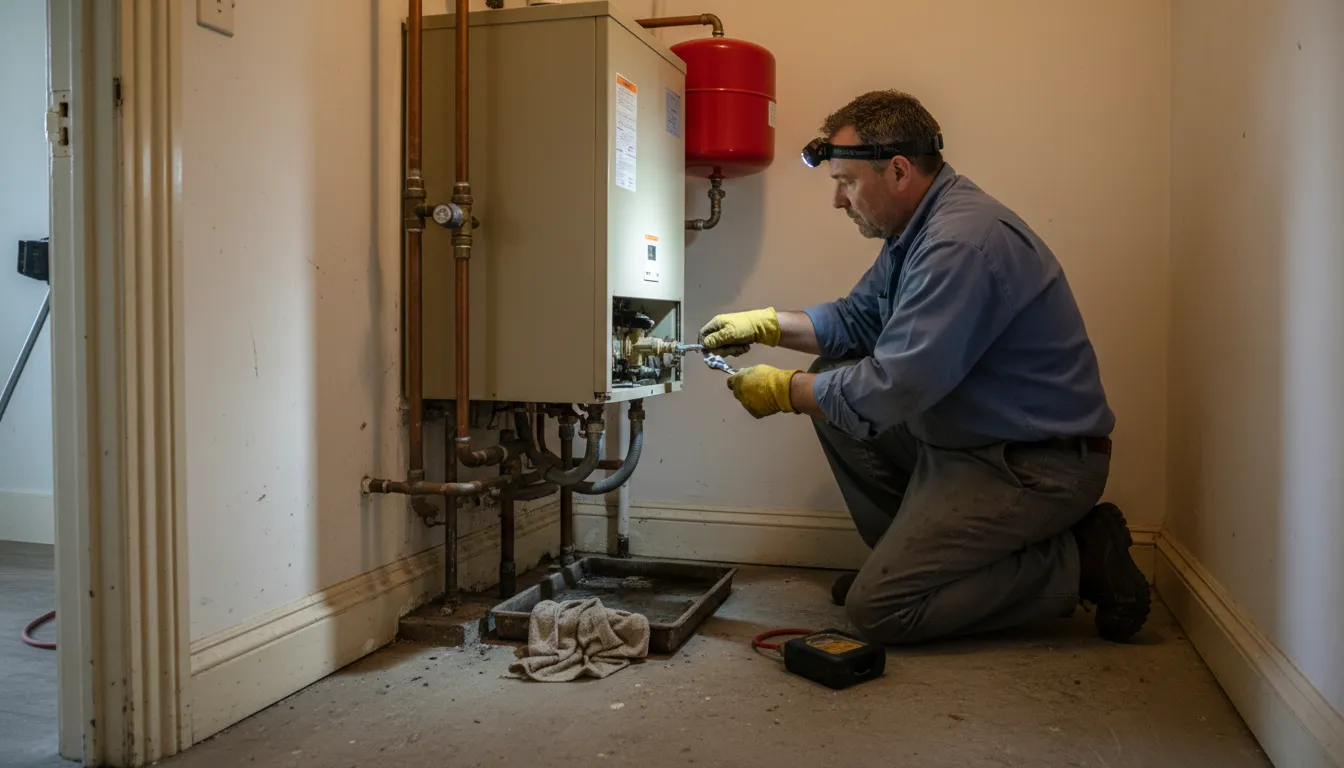
Find the Best Boiler Repair Contractors for Your Business
No obligation • Fast responses • Nationwide coverage

Why you can trust HVAC Firms
HVAC Firms is a leading United States resource for evaluating HVAC service providers. Our team researches companies, checks credentials, and reviews customer feedback to present clear, unbiased information. Listings and rankings are based on merit, and companies cannot pay to change our editorial content.
Search providers near you
Best Boiler Repair Contractors in Alaska Ranked
A reliable boiler is essential for comfort and safety in Alaska's harsh climate. When your hydronic heating system fails, it's more than an inconvenience-it's a potential emergency. This guide provides clear, practical information on common boiler problems, essential maintenance, and what to expect from professional repair services in Alaska. Use this resource to understand your system, identify issues, and connect with qualified local technicians who can restore your home's warmth efficiently and safely.
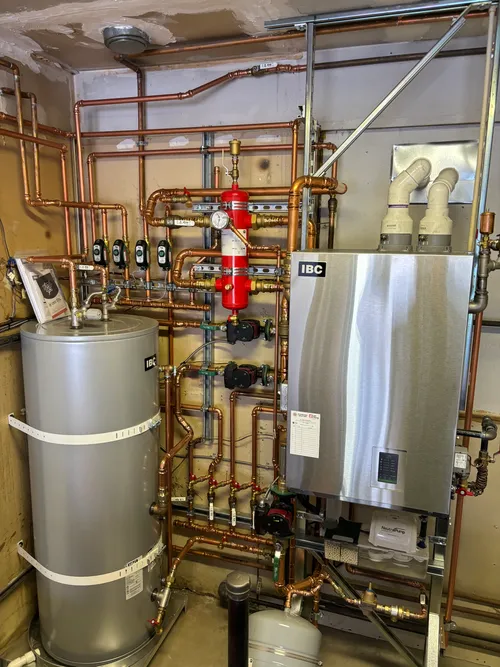
Diamond Heating & AirTemp Alaska
5406 Lake Otis Pkwy, Anchorage, AK 99507
Diamond Heating & AirTemp Alaska is an HVAC company based in Anchorage, AK, offering installation, repair, and maintenance services for heating and cooling systems. Their services include furnaces, boilers, heat pumps, mini-splits, water heaters, indoor air quality solutions, and thermostat installations. With over 25 years of experience, they provide high-efficiency and reliable heating products suited for the Alaskan climate. The company also offers smart thermostats and zoning controls to enhance system performance and comfort.
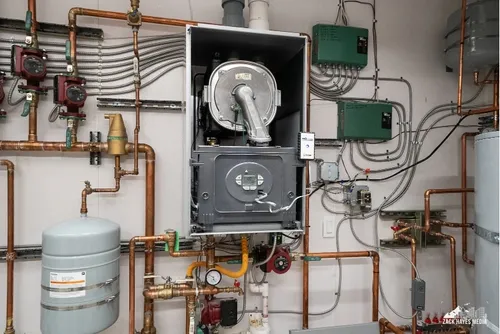
Extreme Heating and Air
16805 Farm Ave, Eagle River, AK 99577
Extreme Heating and Air is an HVAC and plumbing company serving Anchorage, AK, and nearby areas including Eagle River, Big Lake, Girdwood, Palmer, and Wasilla. They provide a variety of services such as air conditioning repair, furnace and boiler repair, water heaters, in-floor heating, and plumbing solutions. The company is known for its certified technicians who stay current with industry advancements. They demonstrated strong dedication during the 2018 Anchorage earthquake by working extended shifts to restore heat and hot water to clients. Extreme Heating and Air also offers 24-hour emergency service to address urgent needs.
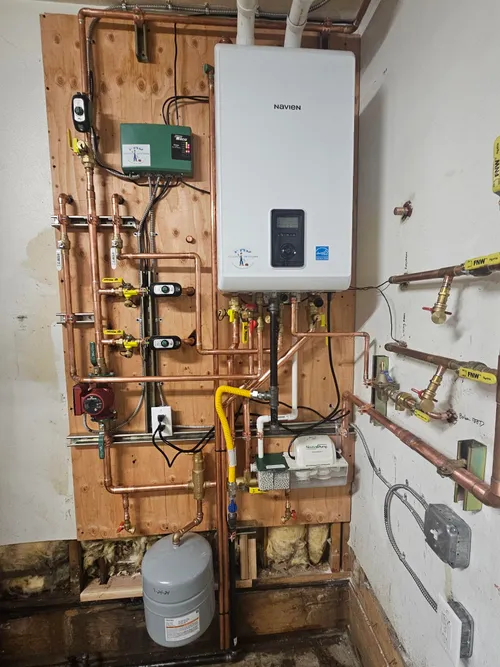
Plumbing & Heating Doctor
601 Bunker Hill St Suite D, Wasilla, AK 99654
Plumbing & Heating Doctor is a locally owned plumbing, heating, and HVAC company based in Wasilla, Alaska, serving Anchorage and surrounding areas including Palmer, Big Lake, and Willow. They provide a full range of residential and commercial services such as furnace and boiler repair, installation, and HVAC tune-ups tailored to Alaska's unique climate. Their certified technicians specialize in high-efficiency water heaters, boilers, and furnaces to ensure reliable comfort and energy savings. The company offers 24/7 emergency services to address urgent heating and plumbing needs at any time.
Hardy Heating Inc
9191 E Frontage Rd, Palmer, AK 99645
Hardy Heating Inc is an HVAC company serving Anchorage, AK, and the surrounding South Central Alaska area. Established in 1994, the company provides a range of services including air conditioning repair and installation, furnace and boiler repair and installation, and indoor air quality solutions for both residential and commercial customers. Hardy Heating offers emergency repair services and has expertise in maintaining heating and cooling systems to ensure comfortable indoor environments year-round. The company holds an A+ rating from the Better Business Bureau and is licensed and insured.
Bowker Mechanical HVAC LLC
7160 Anna Marie Dr, Wasilla, AK 99623
Bowker Mechanical HVAC LLC is a veteran-owned HVAC service and support company located in Wasilla, serving Anchorage, AK and the Mat-Su Valley. Founded in 1996, they provide heating, ventilation, and air conditioning installation, repair, and maintenance services for residential and commercial customers. As the only authorized Trane dealer in the Mat-Su Valley, they offer expertise in HVAC systems, including gas and wood burning fireplaces, and focus on indoor air quality solutions. Bowker Mechanical services all makes and models and is known for tailored solutions that fit unique customer needs.
Common Boiler Problems in Alaskan Homes
Alaska's extreme cold places unique demands on heating systems. Understanding the most frequent issues can help you identify problems early and know when to call for help.
No Heat or Uneven Heating This is the most urgent problem during an Alaskan winter. The cause can range from a faulty boiler to low system pressure or trapped air in the radiators. If you experience a lack of heat, first check the system's pressure gauge. If it's low, you may need to repressurize the system. For uneven heat where some radiators are cold, bleeding the radiators to release trapped air can often help. If these simple steps don't resolve the issue, it's time to contact a professional, as the problem could be with the pump, a valve, or the boiler itself.
Unusual Noises: Hissing, Banging, or Gurgling A noisy boiler is a telling sign of trouble. Hissing or gurgling often indicates air trapped in the pipes, while loud banging or kettling noises are typically caused by limescale or sediment buildup on the heat exchanger, which causes water to overheat and steam. These issues reduce efficiency and can lead to more serious damage if left unaddressed. A technician can bleed the system to remove air or perform a chemical flush to clear out sediment.
Leaks: Water or Fuel Any sign of a leak is a serious concern. Water leaks can cause property damage and indicate failing seals, valves, or corrosion within the system. A fuel leak, particularly with oil or gas boilers, poses a significant fire and safety hazard. If you discover a leak, you should shut off the water supply to the boiler (for water leaks) and the fuel supply immediately, then call a professional plumber or HVAC technician for emergency service.
Risk of Frozen Pipes In Alaska, the risk of pipes freezing within a hydronic system is a critical concern, especially in unheated basements, crawl spaces, or during a power outage. Frozen pipes can burst, leading to extensive water damage 1. Ensuring pipes are properly insulated and that your boiler's freeze protection settings are correctly configured is vital. If you suspect a frozen pipe, call a professional; attempting to thaw it yourself can cause the pipe to burst.
Low System Pressure Most sealed hydronic systems have a pressure gauge, typically reading between 1 and 1.5 bar when cold. A persistent drop in pressure usually signals a leak somewhere in the system 2. While you can top up the pressure following your manufacturer's instructions, a recurring loss requires a professional inspection to find and fix the source of the leak.
Find the perfect boiler repair contractors for your needs
Get personalized recommendations and expert advice
Essential Maintenance for Alaskan Boilers
Proactive maintenance is the best defense against a mid-winter breakdown. A well-maintained boiler runs more efficiently, lasts longer, and is safer.
Homeowner Maintenance Tasks There are several simple checks you can perform regularly:
- Keep the Area Clear: Ensure at least three feet of clearance around your boiler for proper airflow and to reduce fire hazards.
- Visual Inspections: Regularly look for signs of leaks, corrosion, rust, or soot around the boiler and its connections. Check that the boiler's casing is intact.
- Insulate Pipes: This is non-negotiable in Alaska. Properly insulating all heating pipes, especially in unheated areas, is crucial for freeze prevention and energy efficiency 3.
- Monitor Performance: Take note of any changes in heating performance, unusual odors (like a "hot dust" smell at season start or a rotten egg smell indicating gas), or new sounds.
Professional Annual Service Scheduling an annual tune-up with a qualified technician is the single most important thing you can do for your boiler 4. This service typically includes:
- Cleaning key components like the burner and heat exchanger.
- Checking and adjusting the fuel-air mixture for safe, efficient combustion.
- Testing safety devices, including pressure relief valves and carbon monoxide (CO) detectors.
- Inspecting the flue and ventilation for blockages or damage.
- Checking system pressure and looking for signs of leaks or corrosion.
System Flushing Over years, sludge, rust, and mineral scale (from hard water) can build up inside your hydronic system's pipes and radiators. This buildup acts as an insulator, forcing your boiler to work harder and less efficiently. Most manufacturers and technicians recommend a power flush every 5 to 7 years to clean out this debris, restore heat output, and improve efficiency 5.
Safety First: Critical Considerations
Boiler safety is paramount, as malfunctions can involve risks of carbon monoxide poisoning, fire, or explosions.
Carbon Monoxide (CO) Awareness Malfunctioning fuel-burning appliances are a primary source of CO, an odorless, colorless, and deadly gas. Ensure your home has working CO detectors installed on every level, especially near sleeping areas. Signs of potential CO problems include sooty stains around the boiler, a yellow or flickering burner flame (instead of crisp blue), and excessive condensation on windows 6. If your CO alarm sounds, evacuate immediately and call for help.
Fire Hazard Prevention Always maintain the recommended clearance around your boiler and water heater. Never store flammable materials like gasoline, paint, or cleaning supplies nearby. Ensure the area is clean and free of dust and lint buildup 7.
When to Shut Down and Call a Pro Immediately shut off your boiler and call for emergency service if you: smell gas (rotten egg odor), see a fuel leak, notice water leaking from the boiler in a way that suggests internal failure, or hear loud, unusual banging noises that could indicate overheating.
What to Expect from Professional Boiler Repair
Knowing what happens during a professional repair can help you feel more confident when hiring a service.
The Diagnostic Process A skilled technician will start by asking about the symptoms and the system's history. They will then perform tests, which may include checking system pressure, electrical components, the ignition sequence, fuel supply, and heat exchanger integrity to pinpoint the exact cause of the failure 8 9.
Common Repairs Based on the diagnosis, common repairs in Alaska include:
- Replacing faulty components like thermostats, circulator pumps, pressure relief valves, or ignition controls.
- Fixing leaks by replacing seals, gaskets, or sections of pipe.
- Repairing or replacing the heat exchanger in cases of cracks or severe corrosion.
- Bleeding the system and repressurizing it.
- Addressing combustion issues by cleaning or adjusting the burner assembly.
Understanding Repair Costs in Alaska Boiler repair costs vary widely based on the problem, part costs, labor rates, and the urgency of the call (emergency/holiday rates are higher). In Alaska, where conditions are challenging and parts may need to be shipped, average repair costs for common issues often range from approximately $460 to $680, though simple fixes can be less and complex component replacements can exceed $1,000 10. A reputable technician will provide a clear estimate before beginning work.
The Importance of System Efficiency
An inefficient boiler costs you money every day it operates. In Alaska's long heating season, even small improvements in efficiency lead to significant savings on fuel bills. Regular maintenance ensures your system isn't working harder than necessary. Upgrading an old, inefficient boiler to a modern, high-efficiency model can dramatically reduce your annual heating costs and provide more consistent comfort. A professional can assess your current system's efficiency and discuss potential upgrade options.
Frequently asked questions
Sources
Footnotes
-
Hydronic Freeze Protection - Plumbing & HVAC - https://plumbingandhvac.ca/hydronic-freeze-protection/ ↩
-
How to Troubleshoot Common Issues with Your Hydronic Heating System - https://hydeheatingandcooling.com.au/blog/how-to-troubleshoot-common-issues-with-your-hydronic-heating-system/ ↩
-
Boiler Maintenance 101 for Alaska - All-Star Plumbing - https://www.allstaralaska.com/blog/boiler-maintenance-101 ↩
-
Why It's Crucial to Service Your Boiler - Hunt Heat - https://huntheat.com.au/blog/why-its-crucial-to-service-your-boiler-every-year/ ↩
-
Should Hydronic Heating Systems Be Flushed? - Fante's HVAC - https://fantesphvac.com/should-hydronic-heating-systems-be-flushed/ ↩
-
Consumer Guide Home Heating 121211 - https://www.ahfc.us/application/files/4414/0363/4212/Consumer_Guide_Home_Heating_121211.pdf ↩
-
Gas Boiler Maintenance Long Island | Annual Service Plans - https://temperaturecontrolsystemsli.com/gas-boiler-maintenance/ ↩
-
The Ultimate Checklist for Anchorage Heating Maintenance - https://mountainmechanicalak.com/checklist-anchorage-heating/ ↩
-
What To Do When a Water Heater Is Not Heating - https://www.hotwater.com/info-center/water-heater-not-working.html ↩
-
Boiler Repair in Anchorage, AK - Costs 12 / 2025 - Homeyou - https://www.homeyou.com/ak/boiler-repair-anchorage-costs ↩