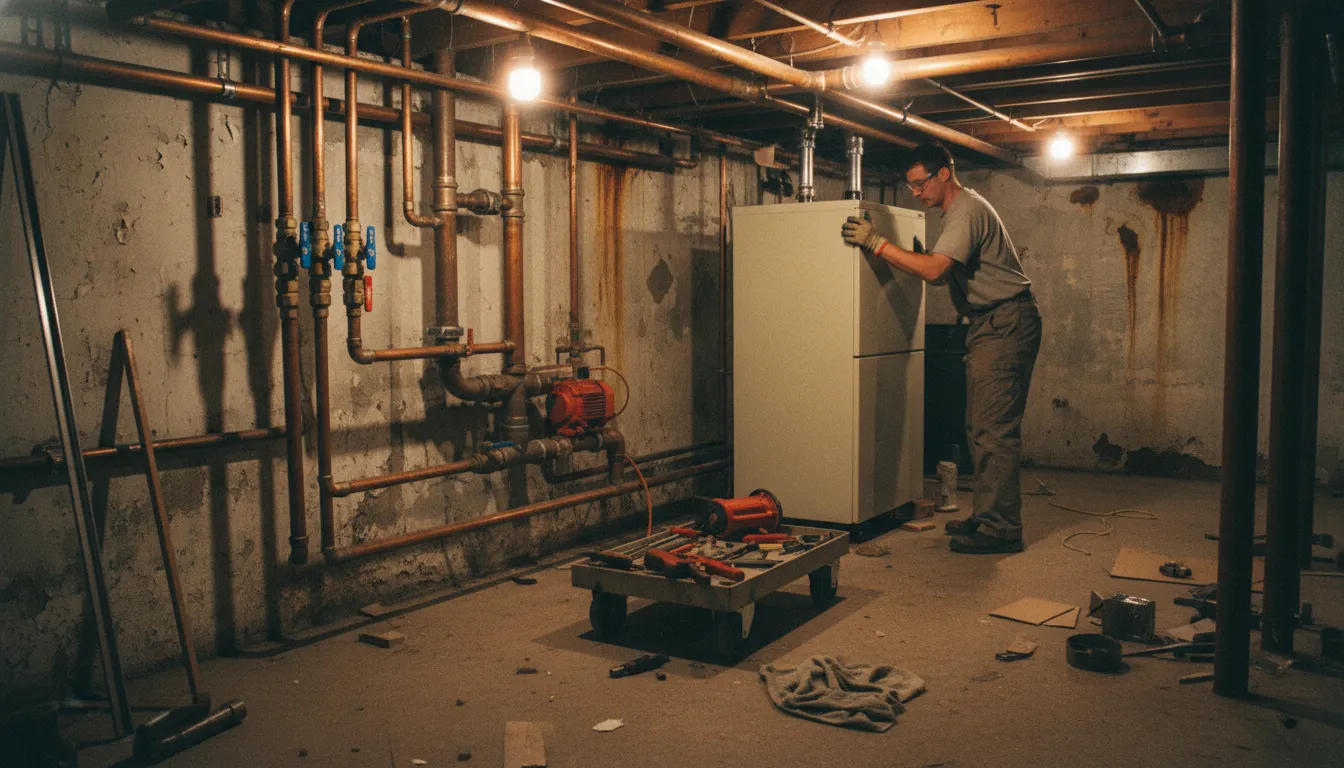
Find the Best Boiler Installation & Replacement Contractors for Your Business
No obligation • Fast responses • Nationwide coverage

Why you can trust HVAC Firms
HVAC Firms is a leading United States resource for evaluating HVAC service providers. Our team researches companies, checks credentials, and reviews customer feedback to present clear, unbiased information. Listings and rankings are based on merit, and companies cannot pay to change our editorial content.
Search providers near you
Top Boiler Installation & Replacement Contractors in Federal Way, Washington Ranked
A new boiler installation or a full system replacement is a significant investment in your Federal Way home's comfort, efficiency, and safety. This process involves selecting the right type of heating system for your needs and ensuring it's installed according to strict state and local codes. This guide will help you understand the key requirements, common system types, and cost considerations for boiler work in Federal Way, empowering you to make informed decisions and connect with qualified local professionals.
South West Plumbing, Heating, Air, & Electric
825 S Stacy St, Seattle, WA 98134
South West Plumbing, Heating, Air, & Electric has provided plumbing, HVAC, and electrical services in Seattle, WA for over 40 years. They offer a wide range of services including air conditioning repair and installation, furnace and heat pump repair, boiler installation, and HVAC tune-ups. Their capabilities include advanced drain and sewer services such as hydro jetting and video camera inspections. The company serves residential customers throughout Seattle, delivering comprehensive solutions for heating, cooling, plumbing, and electrical needs.
Energy Saver Solutions Inc - HVAC & Insulation W Seattle
4402 40th Ave SW, Seattle, WA 98116
Energy Saver Solutions Inc - HVAC & Insulation W Seattle provides a range of HVAC services in Seattle, WA. They specialize in air conditioning repair, HVAC installation, boiler and mini split installation, as well as indoor air quality services. The company offers expert attic and crawl space insulation to improve energy efficiency and comfort. With over 30 years of industry experience, Energy Saver Solutions also performs carbon monoxide checks to ensure safety. They provide 24/7 emergency service and are available year-round to support heating and cooling needs in all weather conditions.
Energy Saver Solutions Inc - HVAC & Insulation SW Seattle
1414 SW 114th St, Seattle, WA 98146
Energy Saver Solutions Inc - HVAC & Insulation SW Seattle provides comprehensive HVAC and insulation services in Seattle, WA. They specialize in air conditioning repair, HVAC and boiler installation, mini split systems, and indoor air quality services. The company offers expert attic and crawl space insulation to improve energy efficiency and comfort. With over 30 years of industry experience, they also provide carbon monoxide testing and 24/7 emergency service availability to address urgent heating and cooling needs.
Energy Saver Solutions Inc - HVAC & Insulation Redmond WA
6917 132nd Pl NE, Redmond, WA 98052
Energy Saver Solutions Inc - HVAC & Insulation Redmond WA provides a range of HVAC services in Seattle, WA, including air conditioning repair, boiler and mini split installation, indoor air quality services, and insulation solutions for attics and crawl spaces. The company specializes in energy-saving strategies and offers carbon monoxide checks to ensure safety. With over 30 years of industry experience, they serve both residential and commercial clients. Their technicians are available 24/7, including holidays, to address urgent heating and cooling needs.
AAA Heating & Air Conditioning
4150 Lind Ave SW, Renton, WA 98057
AAA Heating & Air Conditioning is a local HVAC contractor serving Seattle, WA, and the surrounding Puget Sound area. They offer a wide range of heating and cooling services including installation, repair, and maintenance for air conditioners, furnaces, heat pumps, and boilers. The company also provides indoor air quality services such as duct cleaning and duct sealing to help improve home air quality. With over 30 years of experience since 1989, AAA Heating & Air Conditioning is equipped to handle common repairs efficiently with fully stocked trucks and offers 24/7 emergency service for air conditioning issues.
Understanding Boiler Systems and Local Regulations
In Washington State, boiler installations are regulated to ensure safety and reliability. For Federal Way residents, this means any work on a boiler-whether it's a new installation for a home addition or a complete replacement of an aging unit-must comply with the Washington State Boiler and Pressure Vessel Code (WAC 296-104) and relevant ASME standards. These regulations are not mere suggestions; they are legal requirements designed to prevent accidents and ensure your heating system operates safely for years to come.
The cornerstone of compliance is the permit. A licensed installer must obtain the necessary permits from the Washington State Department of Labor & Industries (L&I) before work begins. This step initiates an official record of the project and triggers the mandatory inspection process. Attempting a DIY boiler install or hiring an unlicensed contractor who bypasses permits is risky and illegal, potentially voiding warranties, invalidating insurance, and creating serious safety hazards in your home.
Key Requirements for Federal Way Installations
Navigating the regulatory landscape is a critical part of the boiler installation process. Here's what you and your contractor need to know:
Permits and Inspections: The installer is responsible for pulling the proper L&I permit. After the job is complete, a final inspection by an L&I inspector is required. All inspection fees are ultimately the responsibility of the homeowner. Your contractor should manage this process, scheduling the inspection and ensuring the system is ready for review.
Mandatory Safety Devices: Code mandates specific safety components on every boiler system. These include pressure relief valves, which prevent dangerous over-pressurization, and low-water cutoffs, which shut down the boiler if water levels drop too low, preventing damage and fire risk. Proper shutoff valves for fuel and water are also required for maintenance and emergency isolation.
Licensed Professionals: Only hire contractors who are properly licensed to work on boilers in Washington. They will be familiar with the latest code editions, ASME Section VI recommendations for operation and maintenance 1, and the specific paperwork required by L&I. This expertise is your best assurance of a safe, code-compliant installation.
Common Boiler Configurations for Homes
Modern boilers, often referred to as hydronic heating systems, are versatile. The "boiler" itself is just the heart of the system; how the heat is delivered throughout your home can vary significantly. Understanding these options helps you discuss your needs clearly with installers.
Hot Water (Hydronic) Systems: This is the most common residential setup. The boiler heats water, which is then circulated through a network of pipes to various heat emitters in your home.
- Baseboard Heaters or Radiators: A traditional and effective method. Heated water flows through baseboard units along walls or through classic cast-iron radiators, providing steady, radiant warmth.
- In-Floor Radiant Heating: Tubing is embedded within the floor (in a concrete slab or under flooring). Circulating warm water heats the floor surface, which then radiates heat evenly upward into the room. This is prized for its luxurious, draft-free comfort.
- Air Handlers: In this hybrid system, the boiler heats water that is piped to a coil inside a separate air handler. A fan blows air across the hot coil, distributing warmth through standard ductwork, similar to a furnace.
Steam Systems: Less common in newer residential installations, steam boilers heat water to create steam, which travels through pipes to radiators. While effective, they often involve more maintenance and are typically found in older homes.
Efficiency Considerations: You'll also choose between condensing and non-condensing models. Modern high-efficiency condensing boilers for gas or oil are now standard for new installations. They capture extra heat from exhaust gases, achieving significantly higher Annual Fuel Utilization Efficiency (AFUE) ratings, which translates to lower fuel bills and a reduced environmental footprint.
Find the perfect boiler installation & replacement contractors for your needs
Get personalized recommendations and expert advice
Cost Breakdown for Boiler Replacement and Installation
The total cost for a new boiler setup in Federal Way can vary widely based on system complexity, home size, and unit efficiency. It's crucial to get detailed, written estimates that break down all costs. Here's a typical framework for budgeting:
Labor Costs: Professional installation labor typically ranges from $1,000 to $2,500 or more, reflecting 6 to 10+ hours of work at skilled trade rates (generally $75-$150 per hour). Complex jobs involving extensive piping, moving an existing boiler location, or integrating with radiant floor systems will be at the higher end.
Boiler Unit Cost: The boiler itself is a major expense, with prices generally between $2,000 and $7,000+. Factors influencing price include:
- Fuel Type: Natural gas, propane, oil, or electric.
- Size (BTU Output): Properly sized for your home's heat loss.
- Efficiency Rating: High-efficiency condensing models cost more upfront but save on operating costs.
- Brand and Features: Premium brands and advanced modulating controls add to the cost.
Materials and Accessories: Don't overlook the "extra" components, which can add $500 to $2,000+ to the project 2. This includes new piping, valves, circulator pumps, thermostatic controls, venting materials (especially important for high-efficiency sidewall venting), and an expansion tank. If you're adding an indirect water heater tank (which uses the boiler to heat your domestic water), this will be an additional significant cost.
Total Project Range: For a standard, like-for-like replacement of a gas boiler with baseboard heat, you might expect a total cost in the range of $3,000 to $10,000 3 4 5. Whole-house installations in new construction, complex radiant floor projects, or systems requiring extensive new piping will exceed this range. Always factor in the permit and inspection fees paid to L&I as part of the final cost 6.
Planning Your Project: Next Steps
A successful boiler project starts with careful planning and vendor selection.
- Get Multiple Quotes: Obtain at least three detailed written estimates from licensed, insured, and well-reviewed local contractors. The estimate should specify the exact boiler model, labor scope, materials list, and total cost, including permit fees.
- Verify Permit Handling: Explicitly confirm that the contractor will obtain all required L&I permits and schedule the final inspection. A reputable professional will handle this seamlessly as part of their service.
- Ask the Right Questions: Discuss system sizing calculations, proposed efficiency (AFUE), warranty terms for both parts and labor, and an estimated project timeline. A good contractor will educate you on your options.
- Check Local Nuances: While state code is primary, your contractor should also verify any specific requirements from the City of Federal Way or King County related to installation locations, venting clearances, or other local amendments 7 8.
Frequently asked questions
Sources
Footnotes
-
ASME Section VI: Recommended Rules for the Care and Operation of ... - https://asmedigitalcollection.asme.org/ebooks/book/243/chapter/25136151/ASME-Section-VI-Recommended-Rules-for-the-Care-and ↩
-
WAC 296-104-700: - | WA.gov - https://app.leg.wa.gov/wac/default.aspx?cite=296-104-700 ↩
-
Chapter 20 Boilers and Water Heaters: Boilers and Water Heaters, Washington State Residential Code 2021 | UpCodes - https://up.codes/viewer/washington/wa-residential-code-2021/chapter/20/boilers-and-water-heaters ↩
-
Boiler Replacement Costs: Smart Budgeting and Planning ... - https://www.tcmemt.com/post/the-cost-of-boiler-replacement-expert-guide-to-smart-budgeting-and-installation-planning ↩
-
Understanding the Cost to Replace Your Boiler: Factors, Types, and Savings - https://johnowensservices.com/blog/understanding-the-cost-to-replace-your-boiler-factors-types-and-savings ↩
-
Permits, Fees & Inspections - Lni.wa.gov - https://www.lni.wa.gov/licensing-permits/boilers/permits-fees-inspections ↩
-
Water Heater Installation Guide Olympia, WA | Sun Set Air - https://residential.sunsetair.com/blog/water-heater-installation-guide-olympia-wa/ ↩
-
A Guide to Boiler Replacement Costs - https://www.hvac.com/expert-advice/boiler-replacement-costs/ ↩