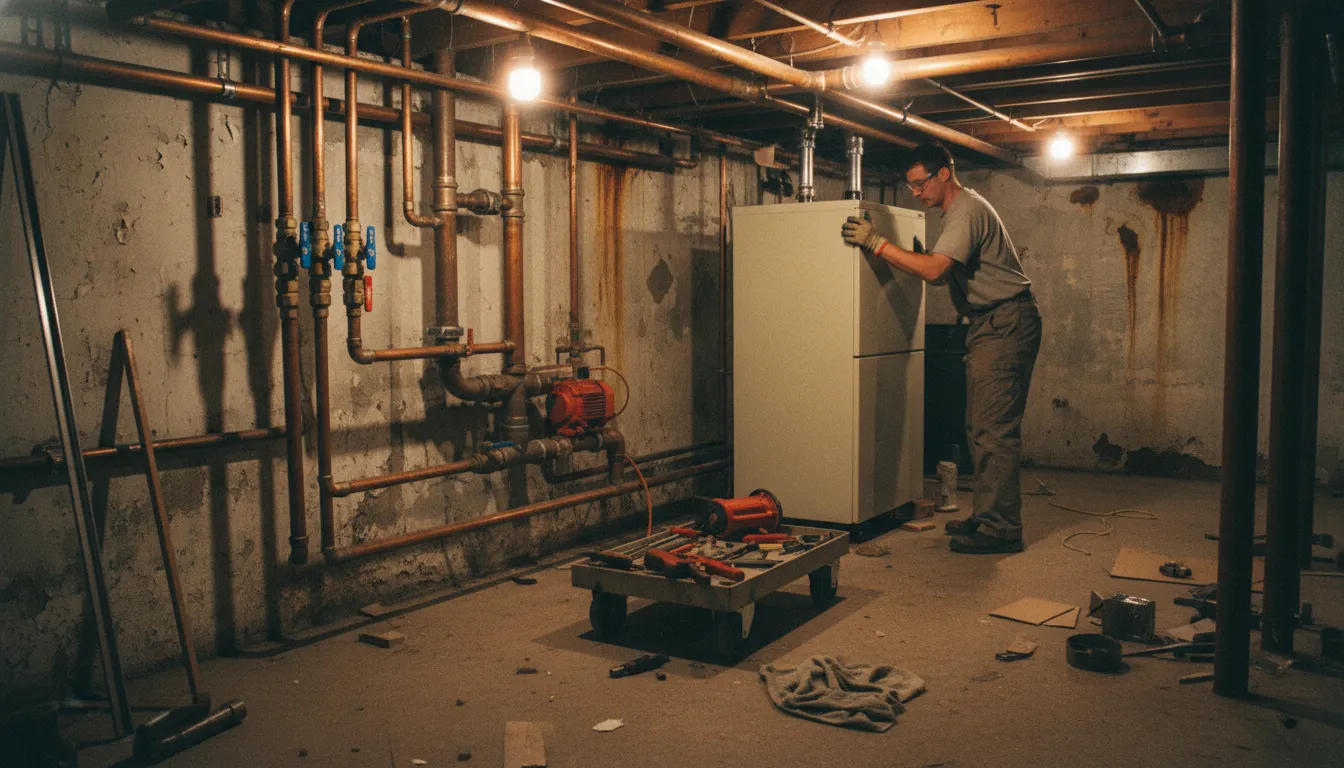
Find the Best Boiler Installation & Replacement Contractors for Your Business
No obligation • Fast responses • Nationwide coverage

Why you can trust HVAC Firms
HVAC Firms is a leading United States resource for evaluating HVAC service providers. Our team researches companies, checks credentials, and reviews customer feedback to present clear, unbiased information. Listings and rankings are based on merit, and companies cannot pay to change our editorial content.
Search providers near you
Best Boiler Installation & Replacement Contractors in Virginia Ranked
Replacing an aging boiler or installing a new system is a significant investment in your Virginia home's comfort, safety, and energy efficiency. A properly installed boiler provides reliable heat and hot water, but the process involves navigating state codes, selecting the right equipment, and choosing a qualified professional. This guide provides essential information on regulations, costs, and best practices to help Virginia homeowners make informed decisions about their boiler projects.
Absolute Comfort Heating and Cooling
524 Central Dr #101, Virginia Beach, VA 23454
Absolute Comfort Heating and Cooling is a family-owned HVAC company serving Virginia Beach, VA, and nearby areas since 2003. They provide a wide range of services including air conditioning, heat pump, furnace, and boiler repair and installation, as well as indoor air quality solutions and ductless system services. Their NATE-certified technicians handle both residential and light commercial HVAC needs, offering expertise in system diagnostics, maintenance, and installations. The company also offers 24/7 emergency service for urgent HVAC issues.

Hats Off Heating and Air Conditioning Repair & Service
424 Investors Pl Suite 105, Virginia Beach, VA 23452
Hats Off Heating and Air Conditioning Repair & Service is a heating specialist based in Virginia Beach, VA. They provide furnace and boiler repair, installation, and HVAC tune-up services tailored to residential heating needs. Their experienced technicians handle everything from routine maintenance to complex repairs and system upgrades, ensuring efficient and reliable home heating. The company also offers a membership program with benefits like routine maintenance and special discounts, supporting year-round system performance.

Aire Serv of Southside
4740 W Norfolk Rd, Portsmouth, VA 23703
Aire Serv of Southside is an HVAC company serving Virginia Beach, VA, and nearby areas including Chesapeake, Norfolk, and Portsmouth. They provide a range of heating and cooling services such as air conditioner repair and installation, furnace and heat pump maintenance, boiler services, and indoor air quality improvements. The company offers specialized capabilities like ductless mini split AC system installation and comprehensive HVAC tune-ups to enhance system efficiency. Aire Serv of Southside is locally owned and operated and is affiliated with a national network, providing access to extensive resources and continuing education. They also offer 24/7 availability for heating and air conditioning repairs to ensure customer comfort year-round.
DNA Heating and Cooling
Richmond, VA
DNA Heating and Cooling is an HVAC company based in Richmond, VA, offering repair, installation, and maintenance services for a wide range of heating and cooling systems. Their expertise includes heat pumps, gas furnaces, boilers, aquatherms, and ductless systems. They provide comprehensive system evaluations focused on performance, safety, and longevity, along with expert repairs and installations tailored to customer needs. DNA Heating and Cooling also offers customizable maintenance plans to help keep HVAC systems running efficiently throughout the year.
Comfort Assurance Heating and Air, LLC
Richmond, VA
Comfort Assurance Heating and Air, LLC is an HVAC contractor based in Richmond, VA. They provide a full range of heating, ventilation, and air conditioning repair and installation services, including work on furnaces, boilers, heat pumps, and air conditioning systems. The company has built a reputation over many years for professionalism and timely service in the Richmond area.
Understanding Virginia's Boiler Regulations
Installing or replacing a boiler in Virginia is not a simple DIY project; it's governed by a set of state and local codes designed to ensure safety and efficiency. Compliance is mandatory and typically verified through local building permits and inspections.
- Virginia Mechanical Code (VMC): Virginia follows the International Mechanical Code with state-specific amendments 1. This code mandates that all equipment must be listed and labeled for its intended use and that installations provide proper clearances, combustion air, and accessibility.
- Manufacturer Instructions: The VMC explicitly requires that installation strictly adhere to the manufacturer's instructions, including control settings and wiring diagrams. Deviating from these instructions can void warranties and create safety hazards.
- Accessibility for Service: A key safety provision requires a clear working space of at least 30 inches by 30 inches in front of the appliance for servicing. All controls, valves, and other components must be accessible without removing permanent parts of the building 2 3.
- Combustion Air Requirements: Fuel-fired boilers (natural gas, propane, oil) require a dedicated and adequate supply of combustion air. This often means installing specific intake vents to prevent dangerous backdrafting and ensure efficient operation 4 5.
- Boiler and Pressure Vessel Safety Act: Virginia law requires that all heating boilers undergo a certificate inspection by the state every two years (biennially). While this applies to existing systems, it underscores the state's focus on ongoing boiler safety.
Choosing the Right Boiler: Efficiency and Fuel Types
Modern boilers are far more efficient than models from even 15 years ago. Your choice will impact your long-term energy costs and comfort.
- Understanding AFUE: The Annual Fuel Utilization Efficiency (AFUE) rating measures how efficiently a boiler converts fuel into heat over a typical year. A rating of 90% means 90% of the fuel's energy becomes heat for your home, while the rest is lost.
- High-Efficiency Condensing Boilers: The current standard for new installations is a condensing boiler with an AFUE of 90% or higher. These units capture heat from exhaust gases that would otherwise be lost, significantly reducing fuel consumption. While they have a higher upfront cost, they are recommended for substantial long-term savings on energy bills.
- Standard Efficiency Models: Non-condensing boilers with AFUE ratings below 90% are less expensive to purchase but cost more to operate. They may still be a consideration in certain replacement scenarios, but Virginia's energy codes generally push installations toward higher efficiency 6.
- Fuel Options: The most common fuels in Virginia are natural gas and heating oil. Natural gas is generally cheaper and cleaner-burning, while oil boilers can be highly efficient and are a necessity in areas without gas lines. Switching fuel types (e.g., from oil to gas) is possible but adds considerable cost for new fuel lines and, in the case of oil, tank removal.
Cost Factors for Boiler Installation in Virginia
The total cost of a boiler replacement or new installation in Virginia varies widely based on equipment, labor, and site-specific factors. Understanding these components helps in budgeting effectively.
- Equipment Cost ($2,000 - $5,000+): This is the price of the boiler unit itself. High-efficiency condensing models, larger capacity units, and brands with advanced features command higher prices.
- Labor Cost ($1,500 - $2,500+): Professional installation by a licensed HVAC contractor includes removing the old unit, installing the new boiler and related components (pumps, expansion tank, etc.), and ensuring all connections and venting are correct. Complex installations in tight spaces or those requiring extensive new piping will increase labor costs.
- Permit Fees ($50 - $200): A permit from your local building department is required. The fee covers the cost of the inspection to verify the installation meets code.
- Additional Project Costs:
- Fuel Conversion: Switching from oil to natural gas can add approximately $2,000 or more for running a new gas line and removing the old oil tank 7.
- System Upgrades: The installation may reveal the need for new circulator pumps, zone valves, or updates to your chimney or flue system, especially when installing a high-efficiency boiler that requires PVC venting.
- Location and Accessibility: Installations in basements are typically straightforward. Units going into attics, crawl spaces, or tight utility closets require more labor and time.
As a general range, a full high-efficiency boiler replacement in Virginia can cost between $6,000 and $8,500 or more installed, while standard-efficiency replacements may start around $3,500 8 9. It's crucial to get detailed, written estimates that break down all these costs.
Find the perfect boiler installation & replacement contractors for your needs
Get personalized recommendations and expert advice
The Importance of Professional Installation & Permits
Cutting corners on professional installation or skipping permits is risky and can lead to serious consequences.
- Safety First: Improper installation of a fuel-burning appliance can lead to carbon monoxide poisoning, fire hazards, and explosion risks. A licensed professional ensures proper combustion, venting, and gas line integrity.
- Code Compliance and Inspections: Your local building inspector will check the installation against the Virginia Mechanical Code. Passing inspection is your assurance that the work is safe and legal. An unpermitted installation can cause problems when selling your home and may void your homeowner's insurance in the event of a related incident.
- Warranty Protection: Most boiler manufacturers require professional installation by a licensed technician to uphold the equipment warranty. DIY or unlicensed work typically nullifies this valuable protection.
- Long-Term Reliability and Efficiency: A correctly sized and installed boiler will operate at its peak efficiency, providing consistent comfort and minimizing wear and tear. Improper installation leads to short-cycling, uneven heat, and premature system failure.
Planning Your Boiler Project: A Step-by-Step Guide
- Get Multiple Estimates: Contact at least three licensed, insured, and experienced HVAC contractors who specialize in boiler work. Ask for references and examples of past installations.
- Request Detailed Load Calculations: A reputable contractor should perform a Manual J heat load calculation (not a rule-of-thumb estimate) to determine the precise size (BTU output) your home needs. An oversized or undersized boiler will cause problems.
- Review the Written Proposal: The estimate should include the make and model of the proposed boiler, its AFUE rating, a full scope of work, itemized costs for equipment and labor, permit fees, and a timeline. Ensure it specifies who is responsible for obtaining the permit and scheduling the inspection.
- Verify Licensing and Insurance: Confirm the contractor holds a valid Virginia HVAC license and carries both liability and workers' compensation insurance.
- Plan for the Installation Day: Discuss with your contractor how long the project will take (often 1-3 days), what time they will arrive, and if you need to be home. Understand the process for water and power shutdowns.
- Final Inspection and Walkthrough: Once installation is complete and has passed the final building inspection, request a walkthrough. The technician should explain the system's operation, basic maintenance tasks, and how to set your thermostat for optimal efficiency.
Maintaining Your New Boiler System
To protect your investment and ensure safety, regular maintenance is essential.
- Annual Professional Service: Have a qualified technician inspect and clean your boiler system each year, ideally before the heating season begins. They will check for leaks, test safety controls, clean burners, and ensure optimal performance.
- Biennial State Inspection: Remember that Virginia law requires a formal inspection of your heating boiler every two years by a state-certified inspector 10. Your HVAC service company can often help coordinate this.
- Owner Maintenance: Keep the area around your boiler clean and clear. Monitor the system pressure gauge (on closed systems) and report any unusual noises, smells, or performance issues to a professional immediately.
Frequently asked questions
Sources
Footnotes
-
Chapter 3 General Regulations: Virginia Mechanical Code 2018 - https://up.codes/viewer/virginia/va-mechanical-code-2018/chapter/3/general-regulations ↩
-
CHAPTER 20 BOILERS AND WATER HEATERS - https://codes.iccsafe.org/content/VARC2021P1/chapter-20-boilers-and-water-heaters ↩
-
CHAPTER 3 GENERAL REGULATIONS - ICC Digital Codes - https://codes.iccsafe.org/content/VMC2012/chapter-3-general-regulations ↩
-
Chapter 3 General Regulations: Virginia Mechanical Code 2015 - https://up.codes/viewer/virginia/imc-2015/chapter/3/general-regulations ↩
-
CHAPTER 3 GENERAL REGULATIONS - 2018 VIRGINIA ... - https://codes.iccsafe.org/content/VMC2018P1/chapter-3-general-regulations ↩
-
CHAPTER 11 RE ENERGY EFFICIENCY - ICC Digital Codes - https://codes.iccsafe.org/content/VARC2021P1/chapter-11-re-energy-efficiency ↩
-
Residential & Commercial Boiler Installation in Richmond, VA - https://www.bradleymechanical.com/hvac/heating/boiler-installation ↩
-
Boiler Replacement Costs: Smart Budgeting and Planning ... - https://www.tcmemt.com/post/the-cost-of-boiler-replacement-expert-guide-to-smart-budgeting-and-installation-planning ↩
-
How Much Does Boiler Installation and Replacement Cost ... - https://www.angi.com/articles/how-much-does-boiler-installation-cost.htm ↩
-
Chapter 3.1. Boiler and Pressure Vessel Safety Act - Virginia Law - https://law.lis.virginia.gov/vacodefull/title40.1/chapter3.1/ ↩