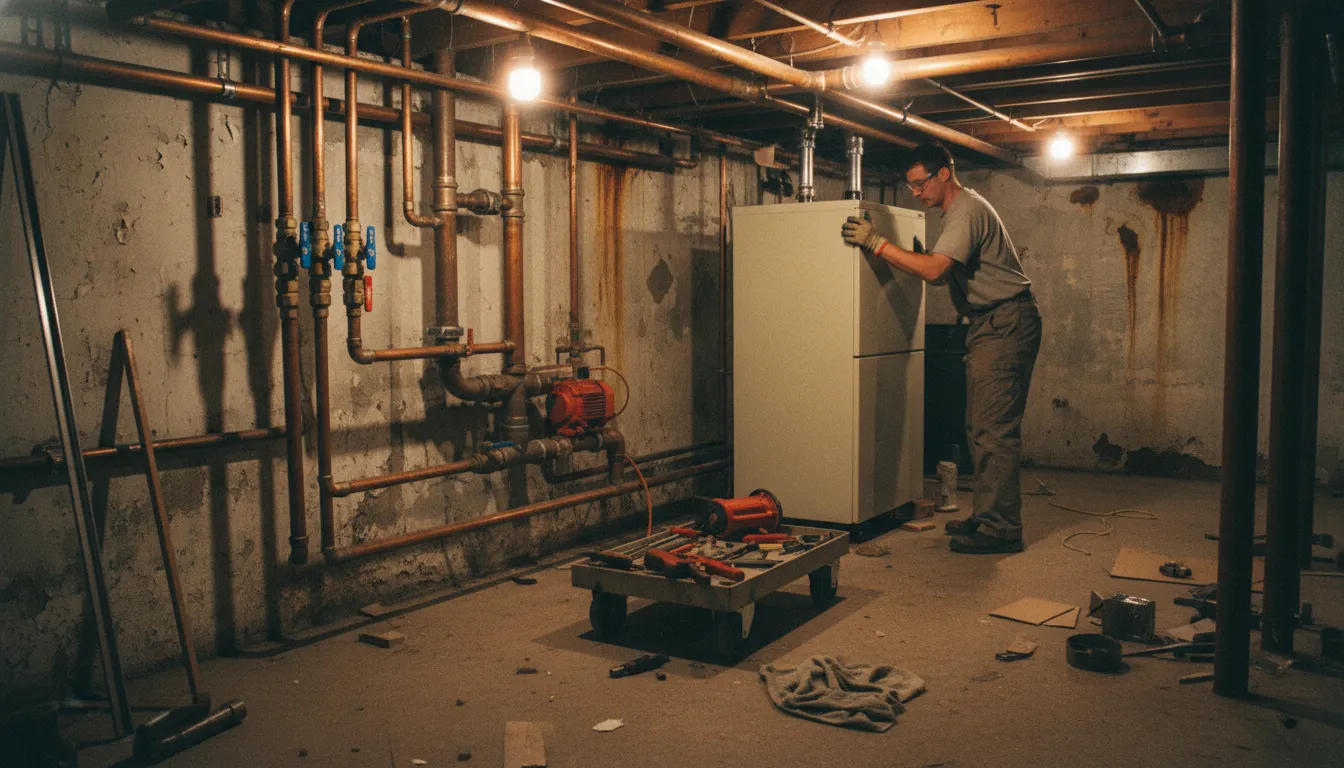
Find the Best Boiler Installation & Replacement Contractors for Your Business
No obligation • Fast responses • Nationwide coverage

Why you can trust HVAC Firms
HVAC Firms is a leading United States resource for evaluating HVAC service providers. Our team researches companies, checks credentials, and reviews customer feedback to present clear, unbiased information. Listings and rankings are based on merit, and companies cannot pay to change our editorial content.
Search providers near you
Best Boiler Installation & Replacement Contractors in Pennsylvania Ranked
Replacing an aging or inefficient boiler is a significant home improvement decision that directly impacts your comfort, energy bills, and safety. In Pennsylvania, this process involves navigating specific state and local building codes, selecting the right type of high-efficiency equipment, and ensuring a professional installation. This guide provides a clear overview of what Pennsylvania homeowners need to know about boiler installation and replacement, from regulations and costs to choosing a qualified local professional for the job.
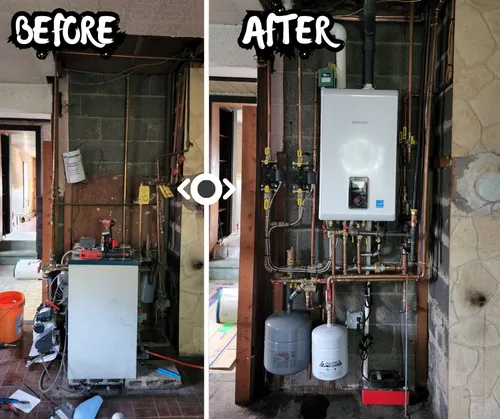
McGinley Services Heating & Cooling
746 Chester Pike STE A, Prospect Park, PA 19076
McGinley Services Heating & Cooling is a family-owned HVAC company serving Philadelphia, PA, and nearby Delaware and Montgomery counties. Since 2020, they have provided heating, air conditioning, indoor air quality, and water heating services, including installations, repairs, duct cleaning, and maintenance. The company offers 24/7 emergency service and same-day appointments, ensuring support during inconvenient times. Their licensed and insured team is experienced in heat pump and furnace installations as well as boiler repairs, focusing on safety and quality.
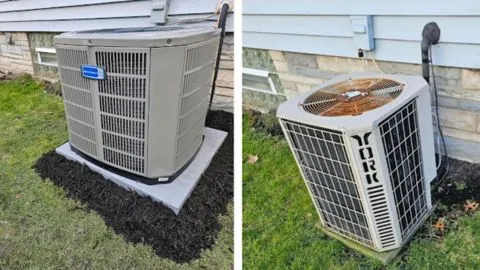
Supreme Heating and Cooling
1475 Frey Rd, Penn Hills Township, PA 15235
Supreme Heating and Cooling is an HVAC company based in Pittsburgh, PA, offering a wide range of heating and cooling services. They provide installation, repair, and maintenance for air conditioners, furnaces, heat pumps, boilers, mini split systems, and indoor air quality equipment. Their certified technicians also handle electrical services related to HVAC systems. The company emphasizes energy efficiency and improved indoor air quality in their work. Supreme Heating and Cooling is known for working with trusted brands and offers comprehensive HVAC solutions to keep homes comfortable year-round.
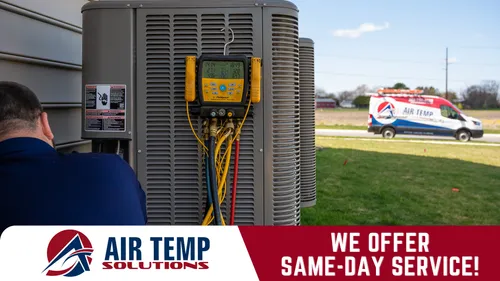
Air Temp Solutions - AC Repair, Heating Repair, Water Heater Repair & Plumbing Devon PA
Philadelphia, PA
Air Temp Solutions - AC Repair, Heating Repair, Water Heater Repair & Plumbing Devon PA is an HVAC and plumbing contractor serving Philadelphia, PA, and surrounding areas including Newark, DE. They offer a wide range of services such as heating repair and installation, furnace and boiler services, heat pump and geothermal system installation and maintenance, as well as ductless mini-split systems. Their plumbing services cover repairs, water heater installation and maintenance, gas line work, sump pump services, leak detection and repair, pipe and water line services, and comprehensive drain and sewer solutions including trenchless repairs. They also provide indoor air quality services like duct cleaning and UV light filtration installation. The company emphasizes specialized capabilities such as geothermal system installation and trenchless sewer line repairs to minimize disruption. While no specific business history is stated, their team includes technicians with an average of 16 years of experience in heating services.

Downtown Mechanical LLC
2501 E Venango St, Philadelphia, PA 19134
Downtown Mechanical LLC is an HVAC company based in Philadelphia, PA, offering a range of services including air conditioning, furnace, heat pump, and boiler repair and installation. They also specialize in mini split installations and HVAC tune-ups. The team is known for clean, professional work and attention to detail, such as aesthetically pleasing ductwork installation. Downtown Mechanical has experience handling complex projects like system expansions and replacements, with a focus on clear communication and customer education. The company is recognized for quick response times and thorough service across Philadelphia and nearby areas.
Kenders Heating & Air Conditioning
Pittsburgh, PA
Kenders Heating & Air Conditioning provides HVAC installation and repair services in Pittsburgh, PA. They handle air conditioning, furnace, heat pump, and boiler systems, along with indoor air quality solutions. The company offers capabilities such as installing air purifiers, humidifiers, and UV lights to improve home air quality. Kenders Heating & Air Conditioning serves residential customers seeking comprehensive heating and cooling services in the Pittsburgh area.
Understanding Pennsylvania Boiler Regulations
Installing a new boiler in Pennsylvania isn't just about swapping out an old unit. The process is governed by codes designed to ensure safety and efficiency. The primary regulatory framework is the Pennsylvania Uniform Construction Code (UCC), which adopts the International Residential Code (IRC) for one- and two-family dwellings 1.
For most residential boiler replacements, oversight falls to your local municipality's building code office. However, the Pennsylvania Department of Labor & Industry (DLI) maintains jurisdiction over larger boilers and unfired pressure vessels 2 3. While a specific DLI permit may not always be required for a standard residential swap, the installation must still comply with all applicable UCC standards, and your local municipality will likely require its own permit and inspection 4 5.
Key code requirements installers must follow include:
- Clearances: Maintaining specific distances from combustible materials. Codes typically require 18 to 30 inches of clearance on sides and front, and at least 72 inches overhead for servicing.
- Venting and Combustion Air: Properly sizing and installing venting systems to safely exhaust flue gases and providing adequate fresh air for combustion. This is especially critical for high-efficiency units.
- Adherence to Manufacturer Instructions: Installations must follow the boiler manufacturer's listed instructions for controls, setup, and clearances, which are often submitted as part of the permit application.
Types of Boilers: Choosing the Right System
The first step in a replacement is deciding on the type of boiler. The main choice revolves around efficiency and fuel type.
Standard Efficiency Boilers (80-85% AFUE): These are traditional, often cast-iron boilers. They typically use your home's existing chimney for venting and have a lower initial purchase cost. They are known for their durability and reliability but offer less in long-term energy savings compared to modern options.
High-Efficiency Condensing Boilers (90-98% AFUE): This is the modern standard for new installations. They use a secondary heat exchanger to extract extra heat from the flue gases, which causes water vapor to condense (hence the name). Key features include:
- Stainless Steel Heat Exchanger: Resists corrosion from condensate.
- PVC Venting: Exhaust is cool enough to exit through a sidewall via PVC pipe, eliminating the need for a traditional chimney.
- Condensate Drain: Requires a drain line to dispose of the acidic condensate produced.
- Maximum Fuel Savings: The significantly higher efficiency can lead to substantial reductions in heating bills, making them a popular choice despite a higher upfront cost 6 7.
Most Pennsylvania homeowners choose to stay with their existing fuel source-natural gas, oil, or propane-to simplify the installation process. The choice between standard and high-efficiency models often comes down to budget, the condition of existing venting, and goals for long-term energy savings.
The Installation Process: What to Expect
A professional boiler replacement is a multi-step process that ensures your new system operates safely and efficiently for years to come.
- Assessment and Permitting: A qualified technician will assess your existing system, home layout, and heating needs. They will handle pulling any required local building permits.
- System Preparation and Removal: The old boiler is disconnected and removed. A critical step often performed is a power flush of the existing hydronic (water) piping system to remove sludge, sediment, and corrosion that could damage the new boiler's heat exchanger.
- Modifications and Rough-In: This stage addresses necessary changes for the new unit. It may include installing a new gas line, running new electrical service, or setting up the venting system (e.g., drilling for PVC venting for a condensing boiler).
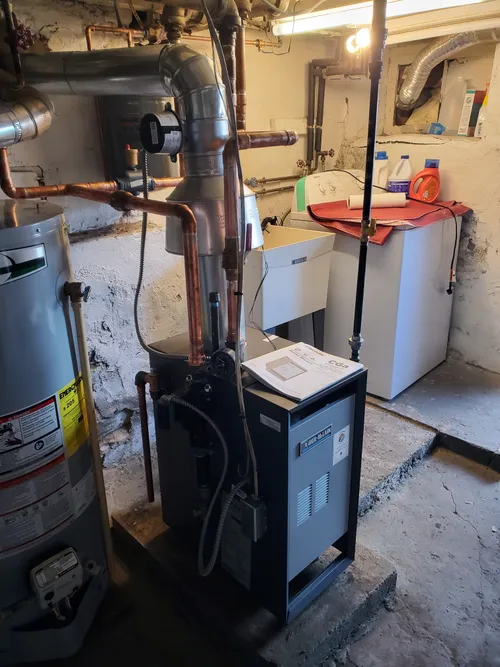
- Boiler Placement and Piping: The new boiler is positioned, leveled, and connected to the water supply and return lines, as well as the fuel source.
- Venting and Drain Installation: The vent system is meticulously installed according to code and manufacturer specs. For condensing boilers, a neutralizer may be added to the condensate drain line to protect plumbing.
- Controls and Startup: The system's controls, thermostats, and circulator pumps are wired and configured. The installer will fill the system, purge air, fire the boiler, and test all safety and operating controls before providing you with instructions.
Find the perfect boiler installation & replacement contractors for your needs
Get personalized recommendations and expert advice
Cost of Boiler Replacement in Pennsylvania
The total cost of a boiler replacement in Pennsylvania varies widely based on the equipment, labor, and complexity of the installation. It's best to view quotes as a combination of the unit cost and the installation cost.
Boiler Unit Cost:
- Gas Boilers: $1,300 - $4,500+
- Oil or Propane Boilers: $2,500 - $7,000+
- High-Efficiency/Condensing Models: Command a premium at the higher end of these ranges.
Installation Labor Cost: Professional labor typically ranges from $1,000 to $2,500+, with most installations taking 6 to 10 hours at rates between $75 and $150 per hour.
Additional Potential Costs:
- System Power Flush: $300 - $800
- New Gas Line: $500 - $2,000+
- Venting Work (PVC/Metal): $200 - $1,500
- Condensate Drain/Pump: $200 - $600
- Building Permits & Inspections: $50 - $300 8 9 10.
A straightforward like-for-like replacement of a gas boiler with a mid-efficiency model might fall on the lower end of the spectrum. A complex replacement that includes switching to a high-efficiency condensing boiler, requiring new venting, a gas line upgrade, and a system flush, will be at the higher end 11.
Why Professional Installation is Non-Negotiable
Given the interplay of fuel lines, high-pressure water, combustion, and electrical components, boiler installation is not a DIY project. Hiring a licensed, insured, and experienced HVAC professional is crucial for several reasons:
- Safety: Incorrect installation can lead to carbon monoxide poisoning, gas leaks, or fire hazards.
- Code Compliance: A professional ensures the installation meets all PA UCC and local code requirements, preventing failed inspections and potential legal or insurance issues 12.
- Efficiency & Performance: Proper sizing, setup, and commissioning are needed for the boiler to deliver its rated efficiency and even heating.
- Warranty Protection: Most manufacturer warranties are void if the unit is not installed by a qualified technician according to their specifications 13.
Look for a contractor who is familiar with Pennsylvania's specific codes, can clearly explain the permit process, and provides a detailed, written estimate that breaks down equipment, labor, and all ancillary costs.
Frequently asked questions
Sources
Footnotes
-
Chapter 20 Boilers and Water Heaters - UpCodes - https://up.codes/viewer/pennsylvania/irc-2015/chapter/20/boilers-and-water-heaters ↩
-
Boilers and Unfired Pressure Vessels | Department of Labor ... - https://www.pa.gov/agencies/dli/programs-services/labor-management-relations/bureau-of-occupational-and-industrial-safety/boilers-and-unfired-pressure-vessels ↩
-
Boilers and Unfired Pressure Vessels - Commonwealth of Pennsylvania - https://www.pa.gov/services/dli/occupational-and-industrial-safety--boilers-and-unfired-pressure ↩
-
34 Pa. Code § 403.48. Boilers. - https://www.pacodeandbulletin.gov/Display/pacode?file=/secure/pacode/data/034/chapter403/s403.48.html&d= ↩
-
Apply to Install a Boiler - Commonwealth of Pennsylvania - https://www.pa.gov/services/dli/apply-to-install-a-boiler ↩
-
Boiler Installation Bucks County PA - Home Rangers LLC - https://www.callhomerangers.com/home/services/hvac-services/boiler-installation/ ↩
-
Considerations for Furnace & Boiler Upgrades in PA - https://www.eshenaurs.com/blogs/6725/new-boiler-furnace-install-pa/ ↩
-
How Much Does It Cost to Replace a Boiler? | 2025 Price Guide - https://lehighhvac.com/blogs/how-much-does-it-cost-to-replace-a-boiler/ ↩
-
Boiler Replacement Costs: Smart Budgeting and Planning Guide - https://www.tcmemt.com/post/the-cost-of-boiler-replacement-expert-guide-to-smart-budgeting-and-installation-planning ↩
-
How Much Does Boiler Replacement Cost in Philadelphia, PA? - https://www.angi.com/articles/how-much-does-boiler-installation-cost/pa/philadelphia ↩
-
How Much Does Boiler Installation and Replacement Cost? [2026 ... - https://www.angi.com/articles/how-much-does-boiler-installation-cost.htm ↩
-
Chapter 20 Boilers and Water Heaters - UpCodes - https://up.codes/viewer/pennsylvania/irc-2018/chapter/20/boilers-and-water-heaters ↩
-
Boiler Installation Services in Bucks and Montgomery County, PA - https://callpatriotheating.com/heating/boiler-installation/ ↩