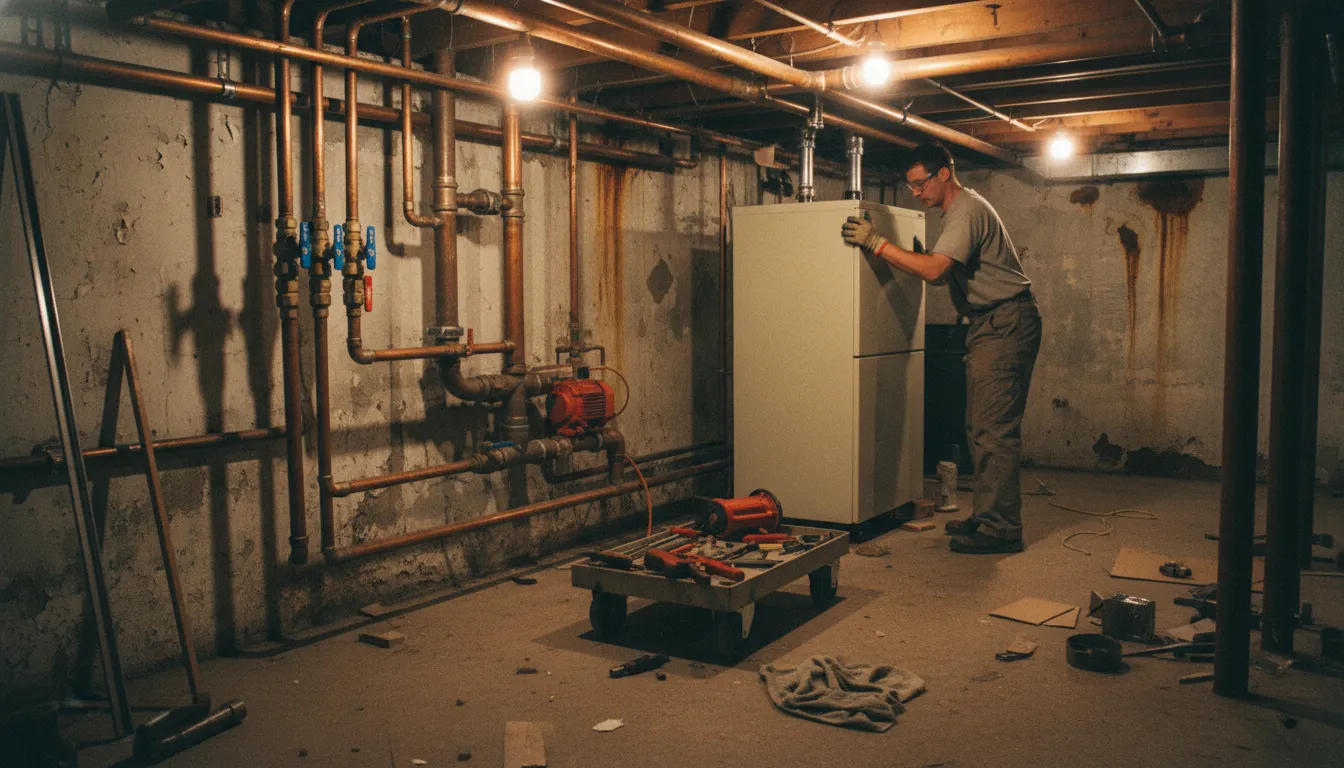
Find the Best Boiler Installation & Replacement Contractors for Your Business
No obligation • Fast responses • Nationwide coverage

Why you can trust HVAC Firms
HVAC Firms is a leading United States resource for evaluating HVAC service providers. Our team researches companies, checks credentials, and reviews customer feedback to present clear, unbiased information. Listings and rankings are based on merit, and companies cannot pay to change our editorial content.
Search providers near you
Best Boiler Installation & Replacement Contractors in Oregon Ranked
Installing or replacing a boiler is a significant home improvement decision that directly impacts your comfort, energy bills, and safety. In Oregon, this process is governed by specific state and local codes designed to ensure efficiency and safety. This guide provides clear, practical information to help Oregon homeowners understand the regulations, costs, and key considerations for boiler projects, empowering you to make informed decisions and connect with qualified local professionals.
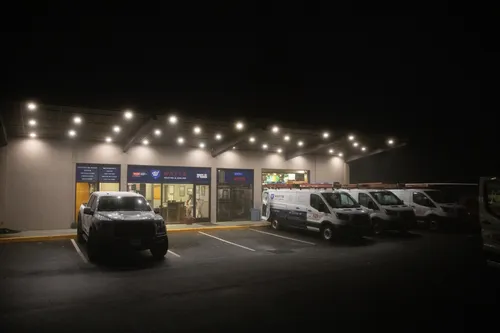
Watts Heating & Cooling
17500 SE McLoughlin Blvd, Milwaukie, OR 97267
Watts Heating & Cooling is an HVAC company based in Portland, OR, offering a wide range of heating and cooling services. Their licensed contractors provide residential and commercial HVAC repair, installation, and maintenance, including air conditioning, furnace, heat pump, boiler, and mini split systems. Watts Heating & Cooling is equipped to handle emergency heating and cooling situations with a 24/7 call center for urgent needs. They emphasize regular tune-ups and proper installation to maintain system efficiency and comfort. The company also provides indoor air quality services and has a large fleet and warehouse to support timely service delivery.
Sky Heating, AC, Plumbing & Electrical
530 NE Liberty Ave, Gresham, OR 97030
Sky Heating, AC, Plumbing & Electrical has been serving Portland, OR, and surrounding areas since 1979. The company offers a wide range of services including HVAC installation and repair for air conditioners, furnaces, heat pumps, boilers, and mini splits, as well as plumbing and electrical work. With over 40 years of experience and a team of skilled technicians, Sky Heating provides comprehensive home comfort solutions. They also offer 24/7 emergency service for urgent needs and cover multiple nearby cities in Oregon and Washington.
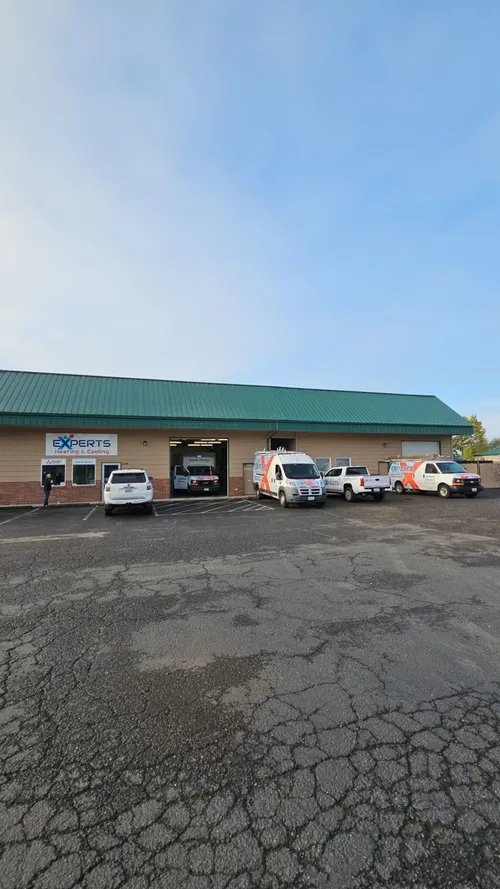
Experts Heating & Cooling, Inc.
3136 Evergreen Way, Washougal, WA 98671
Experts Heating & Cooling, Inc. is an HVAC company serving Portland, OR, and nearby communities. They provide a range of services including installation and repair of air conditioners, furnaces, heat pumps, boilers, mini splits, and geothermal heat pumps. The company also offers HVAC tune-ups and sells high-quality filters through an online store. Established in 2016, Experts Heating & Cooling, Inc. has built experience in handling residential and commercial HVAC needs in the region.

Oregon Climate Tech
402 Beavercreek Rd #112, Oregon City, OR 97045
Oregon Climate Tech is an HVAC company based near Portland, OR, specializing in heating, ventilation, and air conditioning services. They offer repair and installation for air conditioners, furnaces, heat pumps, boilers, mini splits, and geothermal heat pumps. The company partners with Trane to provide reliable HVAC equipment and comprehensive tune-up services. Oregon Climate Tech serves the Portland area with a full range of HVAC solutions.

Heat Relief Heating & Cooling
13122 NE David Cir STE 800, Portland, OR 97230
Heat Relief Heating & Cooling is an HVAC company based in Portland, OR, offering a range of services including air conditioning, furnace, heat pump, and boiler repair and installation. Established in 1997, the company has nearly 30 years of experience serving the Portland metropolitan area. Heat Relief specializes in HVAC tune-ups and installations, providing comprehensive heating and cooling solutions. The company recently merged with Sun Glow, expanding its service capabilities to include plumbing and electrical work while maintaining its commitment to quality and customer satisfaction.
Understanding Oregon's Boiler Regulations
All boiler installation and replacement work in Oregon must comply with the Oregon Mechanical Specialty Code (OMSC). This code, which is based on national model codes with Oregon-specific amendments, sets the minimum standards for safety, design, and installation. The primary goal is to protect homeowners by ensuring systems are installed correctly to prevent hazards like carbon monoxide leaks, fires, or pressure vessel failures.
The regulatory oversight falls under the Building Codes Division (BCD) of the Oregon Department of Consumer and Business Services (DCBS) 1. However, permits are typically issued and inspections are conducted by your local city or county building department. It's crucial to contact them before starting any work to understand local requirements and fee schedules.
When is a Permit Required?
In nearly all cases, a permit is required for the installation or replacement of a boiler 2. This ensures the work will be inspected by a certified official to verify code compliance. Minor repairs or like-for-like part replacements may sometimes be exempt, but the rule of thumb is: if you're putting in a new appliance or significantly altering the fuel, venting, or water connections, you need a permit. Always check with your local building department to be certain.
Key Code Requirements for Oregon Installations
Adhering to code is not optional. A licensed contractor will be familiar with these requirements, but as a homeowner, it's helpful to know what they entail.
- Manufacturer's Instructions: The installation must strictly follow the boiler manufacturer's printed instructions, which take precedence over general code rules.
- Combustion Air: Fuel-burning boilers require a dedicated source of combustion air from outside the home. Proper sizing and installation of intake piping are critical for safe and efficient operation.
- Shutoff Valves: The code requires individual shutoff valves on both the supply and return piping for each boiler. This allows for isolation for maintenance or repair without draining the entire system. An exception exists for single low-pressure steam boilers 3 4.
- Controls and Documentation: The installer must set and test all operating controls (like aquastats and pressure relief valves) and provide the homeowner with a diagram of the system and the manufacturer's instructions 5.
- Seismic Strapping: While primarily for water heaters, seismic safety is a consideration in Oregon. Some installations may require strapping to resist earthquake movement. Approved methods, such as plumber's tape for certain applications, are outlined in code interpretations 6.
Efficiency Goals and What They Mean for You
Oregon has ambitious energy goals that influence building codes. The DCBS aims for a 60% reduction in energy consumption for new construction by 2030 compared to a 2006 baseline 7. This push for efficiency is integrated into the codes through requirements for:
- Improved insulation on ducts and piping.
- Proper air sealing (using mastic or approved tape) at all duct connections.
- The installation of continuous air barriers in building assemblies 8.
When installing a new boiler, choosing a high-efficiency model not only aligns with these state goals but will also lower your long-term heating costs. Your contractor can advise on the most efficient units that meet your home's needs and the current code requirements.
Cost Breakdown for Boiler Projects in Oregon
The total cost of a boiler installation or replacement can vary widely based on several factors. Understanding these can help you budget and evaluate quotes.
Equipment Costs: The boiler unit itself is a major variable. Prices typically range from $3,000 to over $16,000. This range accounts for:
- Fuel Type: Natural gas, propane, or oil-fired units have different price points.
- Brand and Quality: Budget brands versus premium, high-efficiency models.
- Features: Modulating burners, advanced controls, and stainless steel heat exchangers add cost but improve efficiency and comfort.
Labor and Installation Costs: Professional installation is complex and represents a significant portion of the project cost.
- Service call/initial visit: $100 - $250
- Hourly labor rates: $100 - $250 per hour
- The total labor cost depends entirely on the job's complexity. A simple, straightforward replacement in the same location will cost far less than installing a new system that requires moving gas lines, upgrading electrical service, or reconfiguring plumbing and venting.
Total Project Cost: Considering both equipment and labor, a full boiler replacement in Oregon can range from the low thousands for a simple swap to well over $10,000 for a high-efficiency system with a complex installation 9.
Find the perfect boiler installation & replacement contractors for your needs
Get personalized recommendations and expert advice
The Importance of Using a Licensed Professional
Given the technical and regulatory complexity, hiring a licensed HVAC contractor is essential. A qualified professional will:
- Pull the Required Permits: They handle all paperwork with the local building department.
- Ensure Code Compliance: Their work will meet all OMSC requirements, protecting your safety and your home's insurability.
- Perform Correct Sizing: An improperly sized boiler will cycle inefficiently, leading to higher bills and reduced comfort.
- Provide Warranty Coverage: Manufacturer warranties often require professional installation by a licensed technician.
- Offer Liability Insurance: This protects you in the rare event of installation-related damage.
Always verify a contractor's license with the Oregon Construction Contractors Board (CCB) and ask for proof of insurance.
Steps for a Successful Boiler Project
- Research and Get Quotes: Contact at least three licensed HVAC contractors familiar with Oregon codes. Provide each with the same information about your home and needs for comparable quotes 10.
- Review Quotes Carefully: Look beyond the bottom line. Ensure the quote includes the specific boiler model, a breakdown of labor, materials, permit fees, and a clear scope of work.
- Check References and Licenses: Ask for references from recent boiler jobs and verify the contractor's CCB license is active and in good standing.
- Secure Permits: Your chosen contractor should obtain all necessary permits before work begins. The permit fee is a small price for the assurance of an inspection.
- Prepare for Installation Day: Clear the work area and discuss logistics like access and protection of your home with the crew foreman.
- Final Inspection: After installation, the contractor will schedule a final inspection with the local building official. Ensure you receive all documentation, including the inspection approval, manufacturer's manuals, and any system diagrams.
Frequently asked questions
Sources
Footnotes
-
Department of Consumer and Business Services - https://secure.sos.state.or.us/oard/view.action?ruleNumber=918-225-0600 ↩
-
2022 Oregon Mechanical Specialty Code adoption - https://www.oregon.gov/bcd/codes-stand/Documents/22omsc-amendment-summary.pdf ↩
-
CHAPTER 20 BOILERS AND WATER HEATERS - ICC Digital Codes - https://codes.iccsafe.org/content/ORRC2023P1/chapter-20-boilers-and-water-heaters ↩
-
Chapter 20 Boilers and Water Heaters: Oregon Residential Specialty ... - https://up.codes/viewer/oregon/irc-2015/chapter/20/boilers-and-water-heaters ↩
-
Chapter 20 Boilers and Water Heaters: Oregon Residential ... - https://up.codes/viewer/oregon/irc-2021/chapter/20/boilers-and-water-heaters ↩
-
Water Heater Seismic Strapping - Oregon.gov - https://www.oregon.gov/bcd/codes-stand/Documents/interp-15-02-waterheater-seismicstrap.pdf ↩
-
Board of Boiler Rules - Oregon.gov - https://www.oregon.gov/bcd/boards/Documents/boiler-20240116-agenda.pdf ↩
-
Chapter 11 Energy Efficiency: Oregon Residential Specialty Code ( ... - https://up.codes/viewer/oregon/irc-2015/chapter/new_11/energy-efficiency ↩
-
What Does Boiler Replacement Cost? [2025 Data] - https://www.homeadvisor.com/cost/heating-and-cooling/install-a-boiler/ ↩
-
Building Codes Division: Plan Review Guide - https://www.oregon.gov/bcd/Formslibrary/5854.pdf ↩