Find the Best Boiler Installation & Replacement Contractors for Your Business
No obligation • Fast responses • Nationwide coverage

Why you can trust HVAC Firms
HVAC Firms is a leading United States resource for evaluating HVAC service providers. Our team researches companies, checks credentials, and reviews customer feedback to present clear, unbiased information. Listings and rankings are based on merit, and companies cannot pay to change our editorial content.
Search providers near you
Best Boiler Installation & Replacement Contractors in North Dakota Ranked
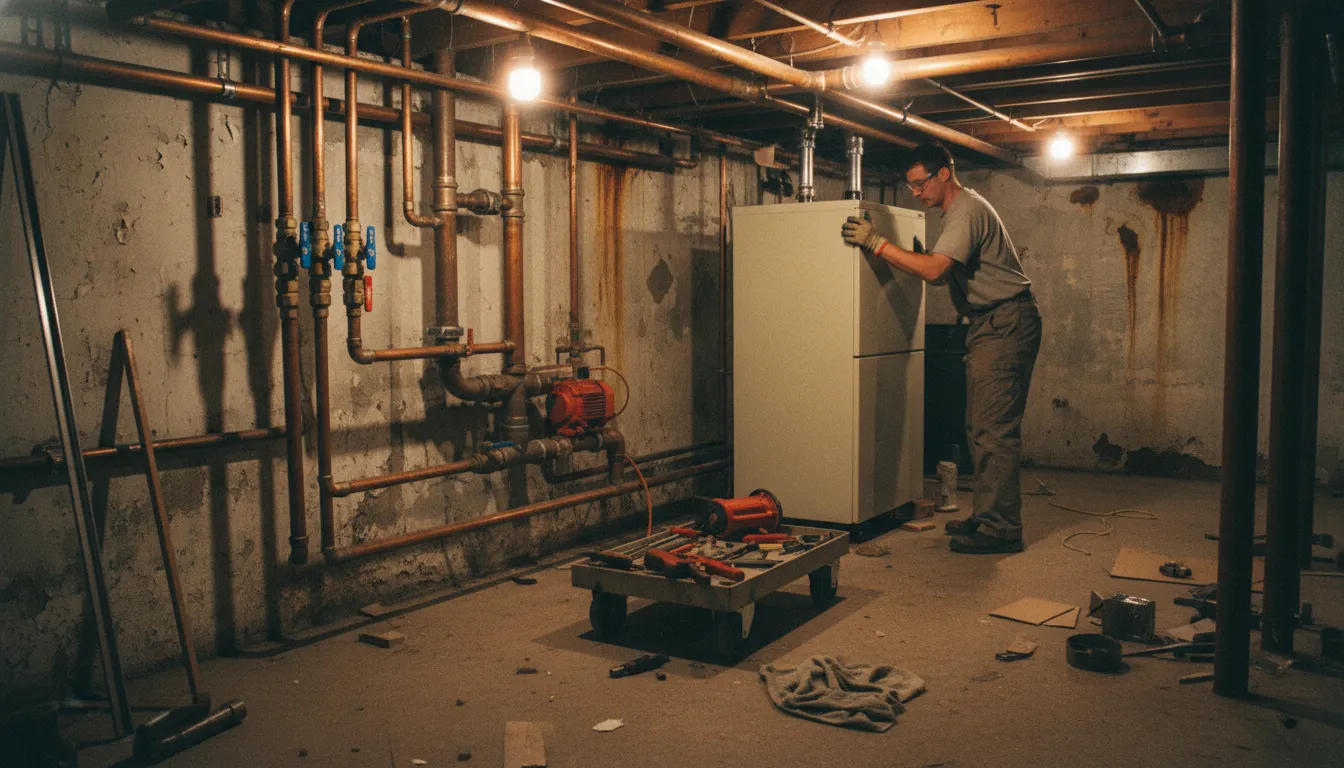
Installing or replacing a boiler is a significant home improvement project that directly impacts your comfort, safety, and energy bills. In North Dakota's climate, a reliable, efficient heating system is essential. This process involves navigating state and local codes, selecting the right equipment, and ensuring a professional installation. The information here is designed to help you understand the key requirements, costs, and steps involved in a boiler project, connecting you with the knowledge needed to work effectively with qualified local professionals.
Understanding North Dakota's Boiler Regulations
North Dakota has specific rules governing boiler installations to ensure safety and proper operation. Adherence to these codes is not optional; it's a legal requirement that protects your home and family.
Permits and Reporting: A permit is typically required before any new boiler installation or replacement begins. Furthermore, the state mandates that all new boiler installations be reported to the North Dakota Chief Boiler Inspector using the official installation report form 1. Your licensed installer should handle this paperwork, but it's important to confirm.
Critical Clearance Requirements: Proper clearances are vital for safety, maintenance, and performance. State codes, often aligning with the International Residential Code (IRC), require minimum distances from combustible materials. For example, common rules call for at least 36 inches (0.91 meters) of clearance from the front of the boiler for inspection and servicing, with specific side and top clearances also mandated. These spaces ensure adequate airflow, allow for cleaning, and reduce fire risk.
Venting and Combustion Air: Proper venting is non-negotiable for fuel-fired boilers (gas or oil). Installation must provide an adequate supply of combustion air and ensure vent pipes are correctly sized and sloped (a minimum 2% upward slope is standard for horizontal runs) to safely exhaust flue gases 2 3. Vents must terminate away from windows, doors, and other openings to prevent dangerous gases from re-entering the home.
Carbon Monoxide Safety: Given the risk of CO poisoning, North Dakota codes require that a carbon monoxide detector be installed in any room containing a fuel-fired boiler. This is a critical, life-saving measure.
Following Manufacturer Instructions: Installers are required to follow all manufacturer's installation instructions precisely. This includes setting and testing all safety and operating controls before the job is considered complete 4 5.
The Importance of Professional Installation
Given the complex interplay of plumbing, electrical, gas, and ventilation systems-alongside strict state codes-professional installation is paramount. A licensed HVAC contractor will:
- Secure the necessary local permits.
- Perform a heat load calculation to correctly size the boiler for your home.
- Ensure all clearances, venting, and electrical connections meet code.
- Adhere to plumbing codes, such as properly installing the pressure relief valve discharge line to an air gap (not a trapped line) and serving only the boiler.
- Test the system thoroughly and complete the state-mandated installation report.
- Provide documentation and warranty information.
Attempting a DIY installation or hiring an unqualified person can lead to unsafe operation, failed inspections, voided warranties, and inefficient performance.
Choosing a Modern, Efficient Boiler
While North Dakota may not publish a specific minimum efficiency standard, the widespread adoption of modern codes like the 2021 IRC means high-efficiency boilers are effectively the standard for new installations and replacements.
Efficiency Ratings (AFUE): A boiler's efficiency is measured by its Annual Fuel Utilization Efficiency (AFUE) percentage. Modern condensing boilers can achieve AFUE ratings of 90% to 98%, meaning nearly all the fuel is converted into usable heat. Replacing an old, 70% AFUE boiler with a 95% AFUE model can lead to substantial fuel savings, a crucial consideration given North Dakota's long heating season.
Fuel Types: The most common fuels for residential boilers in the state are natural gas and heating oil. Propane and electric boilers are also options, particularly in areas without natural gas lines. Your choice will depend on local fuel availability and cost.
System Types: You'll choose between a conventional boiler for radiator or baseboard systems and a combi (combination) boiler that provides both space heating and domestic hot water on demand. The right choice depends on your existing heating distribution system and hot water needs.
Find the perfect boiler installation & replacement contractors for your needs
Get personalized recommendations and expert advice
Cost Breakdown for Boiler Installation & Replacement
The total cost of a boiler project in North Dakota varies widely based on equipment, labor, and home specifics. The figures below are general estimates to help you budget.
Overall Cost Range: A full boiler replacement typically ranges from $4,000 to over $12,000 6. The wide range accounts for the unit type, size, and complexity of the installation.
Standard-Efficiency Boiler Installation: Installing a new standard-efficiency (non-condensing) gas or oil boiler generally falls in the range of $4,000 to $6,000 for the unit and professional installation.
High-Efficiency Boiler Installation: Upgrading to a high-efficiency condensing boiler is a larger investment, usually between $7,000 and $12,000 or more 7. The higher cost is due to more advanced technology and potentially more complex venting requirements (using PVC pipe instead of metal).
Key Factors Influencing Cost:
- Boiler Size & Capacity: Measured in BTUs, correctly sized for your home's heat loss.
- Fuel Type: Natural gas units often have lower equipment costs than oil or propane.
- Labor Complexity: Costs increase if the install involves moving the boiler location, updating extensive piping, removing an old unit, or modifying venting.
- Permit Fees: Local building department fees add to the total project cost.
- Additional Components: Upgrading thermostats, zone valves, or circulators will add expense.
It's always wise to obtain detailed, written quotes from several licensed and insured local contractors to compare pricing and scope of work.
Steps for a Successful Boiler Project in North Dakota
- Consult Local Authorities: Before you begin, contact your city or county building department. They can clarify local permit requirements, fees, and any amendments to the state codes.
- Hire a Licensed Professional: Select an HVAC contractor licensed to work in North Dakota. Verify their insurance, ask for references, and ensure they are familiar with state reporting requirements (SFN 59530 form) 8.
- Get a Professional Assessment: A good contractor will perform a Manual J heat load calculation to determine the correct boiler size-avoiding the pitfalls of an oversized or undersized system.
- Review Multiple Quotes: Obtain at least three detailed quotes that include equipment model numbers, labor breakdown, permit fees, and a clear project timeline.
- Check for Rebates and Incentives: Investigate potential rebates from federal programs, your fuel provider, or state energy offices for installing high-efficiency equipment. This can significantly offset your upfront cost.
- Plan for Installation Day: Understand the project timeline, prepare your home for the workers, and ensure the contractor will test the system and walk you through its operation upon completion.
- Secure Documentation: Keep all paperwork: the permit, final inspection certificate, state installation report confirmation, equipment warranty, and installer's contract.
Frequently asked questions
Sources
Footnotes
-
ND Boiler Inspection Program - https://deq.nd.gov/publications/Director/BIP/Boiler_Installation_Presentation.pdf?v=5 ↩
-
Chapter 20 Boilers and Water Heaters - UpCodes - https://up.codes/viewer/north_dakota/irc-2021/chapter/20/boilers-and-water-heaters ↩
-
Chapter 10 Boilers, Water Heaters and Pressure Vessels - UpCodes - https://up.codes/viewer/north_dakota/imc-2018/chapter/10/boilers-water-heaters-and-pressure-vessels ↩
-
chapter 33.1-14-08 heating, low pressure, and hot water ... - https://ndlegis.gov/api/acdata/pdf/33.1-14-08.pdf ↩
-
chapter 45-12-04 power boilers - new installations - https://ndlegis.gov/information/acdata/pdf/45-12-04.pdf ↩
-
How Much Does Boiler Installation and Replacement Cost? [2026 ... - https://www.angi.com/articles/how-much-does-boiler-installation-cost.htm ↩
-
How Much Does It Cost to Replace a Boiler? - United State Solutions - https://unitedstatesolutions.com/how-much-does-it-cost-to-replace-a-boiler/ ↩
-
BOILER OR WATER HEATER INSTALLATION REPORT - https://www.nd.gov/eforms/Doc/sfn59530.pdf ↩