Find the Best Boiler Installation & Replacement Contractors for Your Business
No obligation • Fast responses • Nationwide coverage

Why you can trust HVAC Firms
HVAC Firms is a leading United States resource for evaluating HVAC service providers. Our team researches companies, checks credentials, and reviews customer feedback to present clear, unbiased information. Listings and rankings are based on merit, and companies cannot pay to change our editorial content.
Search providers near you
Best Boiler Installation & Replacement Contractors in Michigan Ranked
A new boiler is a significant investment in your home's comfort, safety, and energy efficiency. In Michigan's demanding climate, a properly installed and sized boiler system is essential for reliable winter heating. This guide provides a clear overview of the process, costs, and critical state regulations for boiler installation and replacement. It is designed to help you understand the requirements and connect with qualified local professionals who can ensure your project meets all Michigan codes for safe and efficient operation.
Downriver Climate Control, LLC
3336 Charles St, Trenton, MI 48183
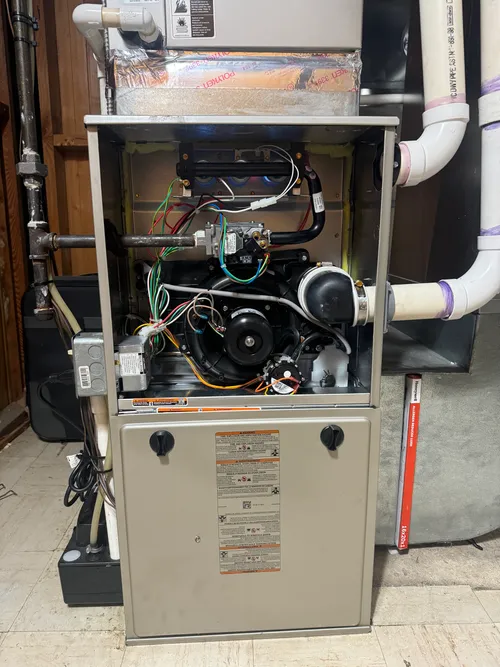
Downriver Climate Control, LLC provides heating, ventilation, and air conditioning services in Detroit, MI. They offer installation, repair, and maintenance for air conditioners, furnaces, heat pumps, and boilers. The company also focuses on improving indoor air quality. Their experienced team serves residential and commercial customers with personalized HVAC solutions.
Warm or Breezy Heating & Cooling
220 S Main St #430, Royal Oak, MI 48067
Warm or Breezy Heating & Cooling is an HVAC contractor based in Detroit, MI, providing heating and cooling services including repair, installation, and maintenance. They serve residential and commercial customers with furnace, boiler, air conditioning, and mini split system services. Their technicians offer energy efficiency diagnostics and city safety inspections, along with installation of Wi-Fi thermostats and tankless water heaters. With over 20 years of experience in heater repair, Warm or Breezy emphasizes fair pricing and uses durable American-made replacement parts. The company operates seven days a week to support customers throughout the heating season.
MOTOWN HEATING, COOLING, REFRIGERATION
Detroit, MI
MOTOWN HEATING, COOLING, REFRIGERATION is a family-owned HVAC company serving Detroit, MI. They provide residential, commercial, and industrial heating, cooling, and refrigeration services including installation, repair, and preventative maintenance. With over 25 years of experience since 1979, they handle a wide range of systems such as air conditioners, furnaces, boilers, and mini splits. Their team is equipped to manage commercial plumbing and boiler services as well. Customers can reach them 24/7 for assistance.
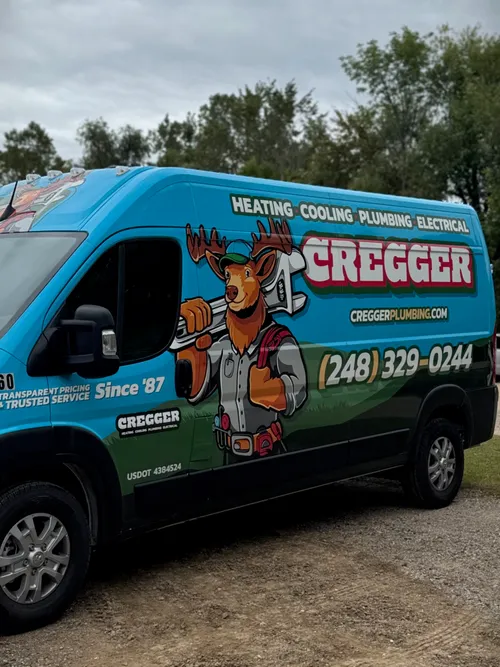
Cregger Plumbing, Heating & Cooling
2335 Goodrich St, Ferndale, MI 48220
Cregger Plumbing, Heating & Cooling is a third-generation, locally operated company serving Detroit, MI. They provide a range of HVAC and plumbing services including repair and installation of air conditioners, furnaces, heat pumps, and boilers. Their licensed and insured team is experienced in handling plumbing and HVAC needs throughout Michigan, with a capability in hydro jetting and emergency plumbing services. Established in 1987, Cregger offers 24/7 emergency plumbing support to address urgent issues at any time.
Detroit Furnace LLC
31313 Kendall, Fraser, MI 48026
Detroit Furnace LLC provides heating, cooling, and plumbing services in Detroit, MI. They offer repair, installation, and maintenance for furnaces, air conditioners, heat pumps, boilers, and mini-split systems. Their team services all brands and models and is equipped to handle plumbing needs such as water heater installation, leak repairs, and drain cleaning. Detroit Furnace LLC offers 24/7 emergency service to address urgent issues promptly. They serve the Detroit Metro area and surrounding communities, ensuring comprehensive home comfort solutions.
Understanding Michigan's Boiler Regulations
Installing or replacing a boiler in Michigan is not a simple DIY project. The state has specific rules to ensure safety and proper performance. The work is governed by the Michigan Mechanical Code, which incorporates national standards like the ASME Boiler & Pressure Vessel Code and the National Board Inspection Code (NBIC) 1 2.
A cornerstone of these regulations is the requirement for a licensed Mechanical Contractor to perform the installation unless you are the homeowner installing it in your own single-family dwelling 3. Even if a homeowner does the work, all other permit and inspection rules still apply. Hiring a licensed professional is strongly recommended to navigate the complex code requirements and ensure the system's safety and longevity.
Permits and Inspections: Non-Negotiable Steps
Before any work begins, you or your contractor must obtain a boiler permit from the State of Michigan's Bureau of Construction Codes 4. This permit application requires details about the boiler, the installer, and the installation location.
Once installation is complete, a final inspection by the State Boiler Section is mandatory before the boiler can be operated 5. This inspection verifies that the installation complies with all applicable codes. Skipping these steps is illegal and can void warranties, create safety hazards, and cause issues when selling your home.
Key Installation Requirements and Best Practices
A code-compliant installation involves more than just connecting pipes. Here are the critical elements Michigan inspectors and reputable installers focus on.
Proper Sizing (Heat Load Calculation): One of the most common mistakes is installing an oversized or undersized boiler. An oversized unit will short-cycle (turn on and off frequently), reducing efficiency, increasing wear, and failing to properly dehumidify your home. An undersized unit will struggle to heat your home on the coldest days. Michigan code and industry best practices require sizing to be done using ACCA (Air Conditioning Contractors of America) Manual J for calculating the home's heating load, Manual S for selecting the right equipment, and Manual D for designing any associated ductwork 6.
Minimum Heating Capacity: The installed system must be capable of maintaining a temperature of at least 68°F (20°C) in all habitable rooms when the outdoor temperature is at the local winter design temperature. This legal requirement ensures your heating system is adequate for Michigan winters.
Safety Controls and Devices: Every boiler must be equipped with listed and labeled safety controls. For hot water boilers, this includes pressure and temperature gauges. Steam boilers require a water-gauge glass. Crucially, the pressure relief valve discharge pipe must be installed to an air break or floor drain and must never be trapped or plugged, allowing dangerous pressure to be safely vented.
Clearances and Placement: The boiler must be installed according to the manufacturer's listed instructions and code minimums. Special rules apply if combustible materials are within 24 inches of the boiler 7. Proper clearances are vital for safety, service access, and combustion air intake.
Piping and Valves: The installation must include proper shutoff valves on the supply and return lines for each boiler, allowing it to be isolated for service without draining the entire system 8.
The Shift to High-Efficiency Boilers
Modern boiler technology offers significant advancements in efficiency. While standard efficiency models operate in the 80-89% Annual Fuel Utilization Efficiency (AFUE) range, high-efficiency condensing boilers achieve 90% AFUE or higher.
The benefits in Michigan are substantial:
- Lower Heating Bills: High-efficiency models can reduce fuel consumption by up to 30% compared to older, standard-efficiency units, leading to significant annual savings 9.
- Code Compliance: The Michigan Energy Code (Chapter 11) mandates that new systems promote efficient energy use, making high-efficiency models the standard for replacements 10.
- Environmental Impact: Using less fuel directly reduces your home's carbon footprint.
These boilers work by extracting extra heat from the combustion gases, causing water vapor to condense. This requires different venting materials (typically PVC) and a condensate drain line.
Find the perfect boiler installation & replacement contractors for your needs
Get personalized recommendations and expert advice
Cost Breakdown for Boiler Replacement in Michigan
The total cost to replace a boiler in Michigan varies widely based on several factors. On average, homeowners can expect to pay between $3,600 and $11,000+, with a typical average around $5,900 11.
Here's a closer look at what influences the price:
- Boiler Type and Efficiency:
- Standard Efficiency (80-89% AFUE): $2,200 - $7,000
- Fuel Source: Natural gas is most common, but oil, propane, and electric boilers have different equipment costs.
- System Size (BTU Output): Larger homes require higher-BTU boilers, which cost more.
- Brand and Model: Premium brands with advanced features command higher prices.
- Labor and Complexity: This includes removal of the old unit, any necessary updates to gas lines, electrical connections, venting, and piping. Complex installations in tight spaces or those requiring new chimney liners or condensate pumps will increase labor costs 14.
- Location: Labor rates can differ between metro areas like Detroit or Grand Rapids and rural regions.
Remember, this investment includes the professional expertise to ensure code compliance, which protects your safety and your home's value.
The Importance of Hiring a Qualified Professional
Given the technical and regulatory complexity, selecting the right installer is as important as choosing the right boiler. A qualified Michigan mechanical contractor will:
- Perform a detailed Manual J load calculation to correctly size the boiler.
- Help you select an efficient model that fits your budget and home's needs.
- Secure all required permits from the state.
- Execute the installation according to Michigan Mechanical Code and manufacturer specifications.
- Arrange for the final state inspection and ensure the system passes.
- Explain the operation and maintenance of your new system.
This professional guidance is invaluable for a smooth, safe, and successful boiler replacement that will provide reliable heat for years to come.
Frequently asked questions
Sources
Footnotes
-
2021 Michigan Mechanical Code - 1004.2 Installation. - https://codes.iccsafe.org/s/MIMC2021P1/chapter-10-boilers-water-heaters-and-pressure-vessels/MIMC2021P1-Ch10-Sec1004.2 ↩
-
2021 Part 9A Michigan Mechanical Final Rules - https://www.michigan.gov/lara/-/media/Project/Websites/lara/bcc-media/ASD/2022-55-LR-Part-9A-Mechanical-Code/2021-Part-9a-Michigan-Mechanical-Final-Rules---Effective-3-12-2024.pdf?rev=72f2dedfbe534ff296625e600765de04&hash=B396E641DCB57B02DCFDBF03A3E2F2A3 ↩
-
Mich. Admin. Code R. 339.5208 | State Regulations | US Law - https://www.law.cornell.edu/regulations/michigan/Mich-Admin-Code-R-339-5208 ↩
-
Boiler Permit Application - State of Michigan - https://www.michigan.gov/-/media/Project/Websites/lara/bcc-media/Folder1/dleg_bcc_boiler_permit_application.pdf?rev=95b564c540a04db19e8aae1a8226d403 ↩
-
Boiler Installations - State of Michigan - https://www.michigan.gov/-/media/Project/Websites/lara/bcc-media/BCC-Forms/Boiler-Forms/BCC-313.pdf?rev=479ae2d4cfdc433f86a79443256260fe ↩
-
Chapter 20 Boilers and Water Heaters: Michigan Residential ... - https://up.codes/viewer/michigan/mi-residential-code-2021/chapter/20/boilers-and-water-heaters ↩
-
2015 MICHIGAN RESIDENTIAL MECHANICAL CODE.pdf - https://cms5.revize.com/revize/antrim/Construction%20Code/mechanical/2015%20MICHIGAN%20RESIDENTIAL%20MECHANICAL%20CODE.pdf ↩
-
Chapter 10 Boilers, Water Heaters and Pressure Vessels: Michigan ... - https://up.codes/viewer/michigan/imc-2021/chapter/10/boilers-water-heaters-and-pressure-vessels ↩
-
What is a Boiler? A Complete Guide for Michigan Homeowners - https://mooremech.net/what-is-a-boiler/ ↩
-
Chapter 11 [RE] Energy Efficiency: Michigan Residential Code 2021 - https://up.codes/viewer/michigan/mi-residential-code-2021/chapter/11/re-energy-efficiency ↩
-
Boiler Replacement Cost and Price - https://www.carrier.com/residential/en/ca/products/boilers/cost-buying-boiler-replacement/ ↩
-
What Does Boiler Replacement Cost? [2025 Data] - https://www.homeadvisor.com/cost/heating-and-cooling/install-a-boiler/ ↩
-
How Much Does it Cost to Replace a Boiler? - Runwise - https://www.runwise.com/learn/how-much-does-it-cost-to-replace-a-boiler ↩
-
How to Choose the BEST Boiler for Your Home (In 3 Easy Steps!) - https://www.youtube.com/watch?v=kN6jMAY4AB4 ↩