Find the Best Boiler Installation & Replacement Contractors for Your Business
No obligation • Fast responses • Nationwide coverage

Why you can trust HVAC Firms
HVAC Firms is a leading United States resource for evaluating HVAC service providers. Our team researches companies, checks credentials, and reviews customer feedback to present clear, unbiased information. Listings and rankings are based on merit, and companies cannot pay to change our editorial content.
Search providers near you
Top Boiler Installation & Replacement Contractors in Naperville, Illinois Ranked
Replacing or installing a new boiler is a significant home improvement decision that directly impacts your comfort, energy bills, and home value. In Naperville's climate, a reliable and efficient heating system is essential. This guide is designed to help you understand the key considerations for boiler replacement and installation, from selecting the right type of system to navigating local codes and managing costs. You can use this information to confidently engage with local heating professionals, ask the right questions, and make an informed choice for your home.
Hero Air
4823 W Patterson Ave, Chicago, IL 60641
Hero Air is a family-owned HVAC company serving Chicago, IL, with over 10 years of experience. They provide a wide range of heating and air conditioning services including installation, repair, and maintenance for air conditioners, furnaces, boilers, and ductless mini splits. Hero Air also specializes in indoor air quality solutions such as UV germicidal treatments and dehumidifiers to maintain healthy and comfortable indoor environments. Their certified and insured technicians work with both residential and commercial clients to ensure efficient system performance throughout the year.
Pro Comfort Solutions
2052 N Latrobe Ave, Chicago, IL 60639
Pro Comfort Solutions is an HVAC and plumbing company serving Chicago, IL, and surrounding areas including Frankfort and Orland Park. They offer a wide range of services such as air conditioning installation and repair, furnace and boiler maintenance, heat pump services, and duct cleaning. Their team is certified and provides 24/7 emergency repairs, including for boilers and furnaces. Pro Comfort Solutions emphasizes clear pricing and customized solutions tailored to each home.
Tranquil Heating and Cooling
4838 N Lowell Ave, Chicago, IL 60630
Tranquil Heating and Cooling is an HVAC company based in Chicago, IL, offering a range of heating and cooling services including installation, repair, and maintenance for air conditioners, furnaces, and boilers. They provide tailored solutions to ensure comfortable indoor environments using the latest technology and industry best practices. Their services include HVAC tune-ups, duct installation, and troubleshooting for both residential and industrial clients. The company emphasizes clear communication and personalized service to meet specific customer needs.
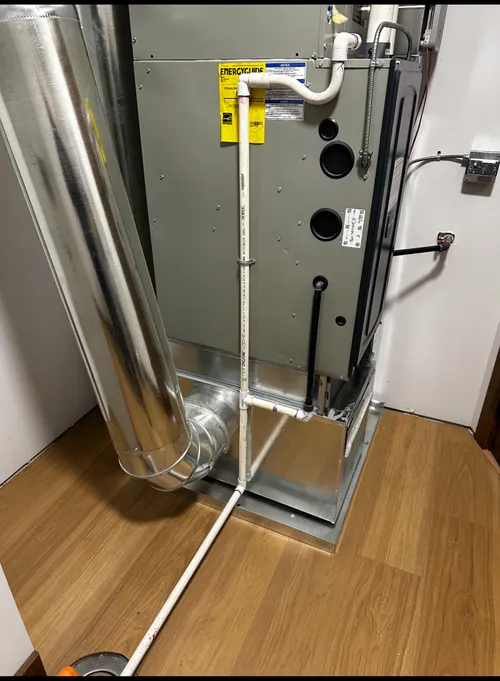
City & Suburban Heating & Cooling
1225 N Cleaver St, Chicago, IL 60642
City & Suburban Heating & Cooling is a family-owned HVAC company serving Chicago, IL. Established in 1952, they provide a wide range of heating and cooling services including installation, repair, and maintenance of furnaces, air conditioners, heat pumps, boilers, and ductless systems. Their expertise extends to indoor air quality solutions such as humidifiers, dehumidifiers, and duct maintenance. The company offers emergency HVAC services daily until midnight except Sundays, ensuring timely support for urgent needs. Their licensed and NATE-certified technicians focus on safe, efficient, and reliable system performance for both residential and commercial clients.
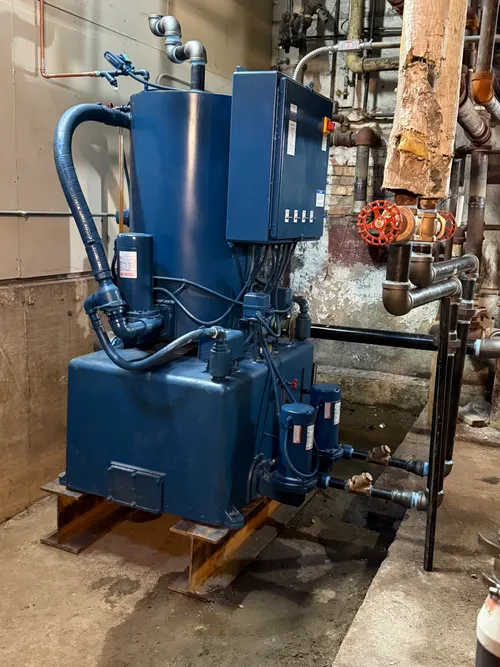
Rayes Boiler Service, Inc
8252 Christiana Ave, Skokie, IL 60076
Rayes Boiler Service, Inc is a boiler repair and installation company serving Chicago, IL. They provide expert installation, maintenance, and repair services to ensure efficient and reliable boiler systems for homes and businesses. Their certified technicians offer routine maintenance, inspections, and cleaning to keep boilers running at optimal performance. The company has over 30 years of experience and offers 24/7 emergency support for urgent boiler issues.
Understanding Your Boiler Options
Modern boilers are far more efficient and versatile than older models. The right choice for your Naperville home depends on your existing heating distribution system, hot water needs, and energy-saving goals.
Hot Water Systems: Most homes in the area use a hydronic (hot water) system where the boiler heats water that is then circulated through pipes to baseboard heaters, cast iron radiators, or modern panel radiators. This type of system provides consistent, comfortable heat.
Combi Boilers: Also known as combination boilers, these units provide both space heating and domestic hot water on demand, eliminating the need for a separate water heater tank 1. They are an excellent space-saving option for smaller homes or those looking to maximize efficiency by heating water only when it's needed.
Condensing Boilers: These represent the current standard for high efficiency, with Annual Fuel Utilization Efficiency (AFUE) ratings of 90% or higher. They work by extracting additional heat from the combustion gases that would otherwise be lost out the flue. This process creates condensation, which requires a new type of PVC venting system 2. While the upfront cost is higher, the long-term energy savings in Naperville's cold winters can be substantial.
Key Factors in Boiler Selection
Choosing a new boiler isn't just about picking a brand. Several technical and practical factors must be considered to ensure optimal performance and compliance.
Fuel Type: Natural gas is the most common fuel for boilers in Naperville due to its availability and cost-effectiveness. However, some older homes may still use oil-fired boilers. While electric boilers are an option, they are less common for whole-home heating due to higher operating costs. Switching fuel types, such as converting from oil to gas, involves significant additional work and cost for new fuel lines and venting.
Proper Sizing (BTU/h): A critical step performed by a qualified professional is calculating the correct boiler size for your home using a Manual J load calculation. An oversized boiler will short-cycle (turn on and off frequently), reducing efficiency and comfort, while an undersized unit will struggle to keep your home warm. The calculation considers your home's square footage, insulation levels, window quality, and other factors.
System Compatibility: Your new boiler must be compatible with your existing distribution system (e.g., baseboards vs. radiators) and, if applicable, your domestic hot water tank. Professionals will assess whether your current piping and radiation are adequate for a new, potentially more efficient unit.
Find the perfect boiler installation & replacement contractors for your needs
Get personalized recommendations and expert advice
Navigating Codes, Permits, and Inspections in Illinois
Boiler work is highly regulated for safety. In Illinois, installations and replacements must adhere to state and local codes.
State Boiler Inspection Mandate: The Office of the Illinois State Fire Marshal (OSFM) requires that all boilers be registered and undergo periodic inspections 3. The inspection frequency-every one, two, or three years-depends on the boiler type and usage. This state inspection is separate from any local permit inspection and is a crucial safety requirement 3.
Local Permits: Before work begins, your HVAC contractor must pull a permit from the local Naperville building department. Permit fees typically range from $50 to $200. This process ensures the installation plan meets all local building, mechanical, and plumbing codes.
Venting and Gas Line Codes: Modern, high-efficiency condensing boilers require specific venting materials, like PVC, to handle the cooler exhaust gases and condensate. All new gas line work must be sized and installed according to code to ensure safe and adequate gas supply. Your licensed professional will handle these critical details to ensure a safe and compliant installation.
Understanding Boiler Replacement Costs in Naperville
The total cost for a new boiler system in Naperville varies widely based on the equipment, complexity of the installation, and your home's specific needs.
Cost Ranges: For a standard-efficiency boiler replacement, homeowners can expect total installed costs generally ranging from $4,000 to $7,000 4 5 6. For a high-efficiency condensing boiler, the investment typically ranges from $6,000 to over $10,000 installed 4 7 8. These figures encompass the boiler unit, all labor, materials, and standard permitting.
Factors That Increase Cost: Several project specifics can push costs toward the higher end of these ranges:
- Fuel Conversion: Switching from oil to natural gas.
- Major System Updates: Replacing or adding significant new piping (re-piping), or upgrading the venting system for a condensing boiler.
- Larger Capacity: Installing a unit with a higher BTU/h output for a larger home.
- Adding Functionality: Integrating domestic hot water production, such as with a combi-boiler or an indirect-fired water tank.
- Complex Installations: Difficult access or the need to modify existing structures.
The Professional Installation Process
A successful boiler installation follows a structured process managed by experienced technicians.
- Initial Consultation & Load Calculation: A reputable contractor will visit your home to assess your current system, discuss your needs, and perform a Manual J calculation to determine the correct boiler size.
- Equipment Selection & Quote: Based on the assessment, the professional will recommend specific boiler models (from brands like Carrier, Weil-McLain, or others) and provide a detailed written quote outlining all costs, including equipment, labor, permits, and disposal of the old unit 9.
- Permitting & Preparation: The contractor obtains the necessary local permits and schedules the installation. They will also advise you on any utility rebates or manufacturer incentives for high-efficiency equipment 10.
- Installation Day: The old boiler is safely disconnected and removed. The new unit is installed, which includes setting the boiler, connecting fuel and water lines, installing new venting if required, and integrating it with your heating distribution system 11.
- Testing, Inspection, and Startup: The system is filled, purged of air, and fired up. The technician will test all safety controls, check for leaks, and balance the system to ensure even heat distribution. They will also walk you through basic operation of your new boiler.
Maintaining Your New Boiler Investment
To protect your investment and ensure years of efficient, reliable service, regular maintenance is key. An annual tune-up by a qualified technician before each heating season is recommended. This service typically includes cleaning the burner and heat exchanger, checking all safety and operating controls, inspecting the venting system, and verifying water pressure and temperature settings. Proper maintenance not only improves efficiency and extends the equipment's life but is also often required to keep the manufacturer's warranty valid.
Frequently asked questions
Sources
Footnotes
-
How Much Does Boiler Replacement Cost in 2026? Price by Type - https://modernize.com/hvac/heating-repair-installation/boiler ↩
-
How Much Does Boiler Replacement Cost in Chicago, IL? | Angi - https://www.angi.com/articles/how-much-does-boiler-installation-cost/il/chicago ↩
-
Boilers Frequently Asked Questions - https://sfm.illinois.gov/about/divisions/boilers-pressure-vessels/boilers-faqs.html ↩ ↩2
-
Boiler Replacement Costs: Smart Budgeting and Planning ... - https://www.tcmemt.com/post/the-cost-of-boiler-replacement-expert-guide-to-smart-budgeting-and-installation-planning ↩ ↩2
-
How Much Does Boiler Replacement Cost? (2026) - This Old House - https://www.thisoldhouse.com/heating-cooling/boiler-replacement-cost ↩
-
How much does a new boiler cost to install or replace? - HomeGuide - https://homeguide.com/costs/boiler-replacement-cost ↩
-
Average Boiler Replacement Cost in Chicago: What You Need to Know | Eco Temp HVAC - https://ecotemphvac.com/boilers/average-boiler-replacement-cost-in-chicago-what-you-need-to-know/ ↩
-
What Does Boiler Replacement Cost? [2025 Data] - HomeAdvisor - https://www.homeadvisor.com/cost/heating-and-cooling/install-a-boiler/ ↩
-
Boiler Installation & Boiler Replacement | Bolingbrook, IL, Darien, IL, ... - https://www.jacobazzihvac.com/boiler-installation/ ↩
-
Heating Installation In Naperville, IL | Get A Free Estimate - https://repair.oncoursehome.com/services/heating/installation/ ↩
-
Boiler Installation & Replacement in Frankfort, Illinois - https://www.nickeddiehvac.com/boiler/installation ↩