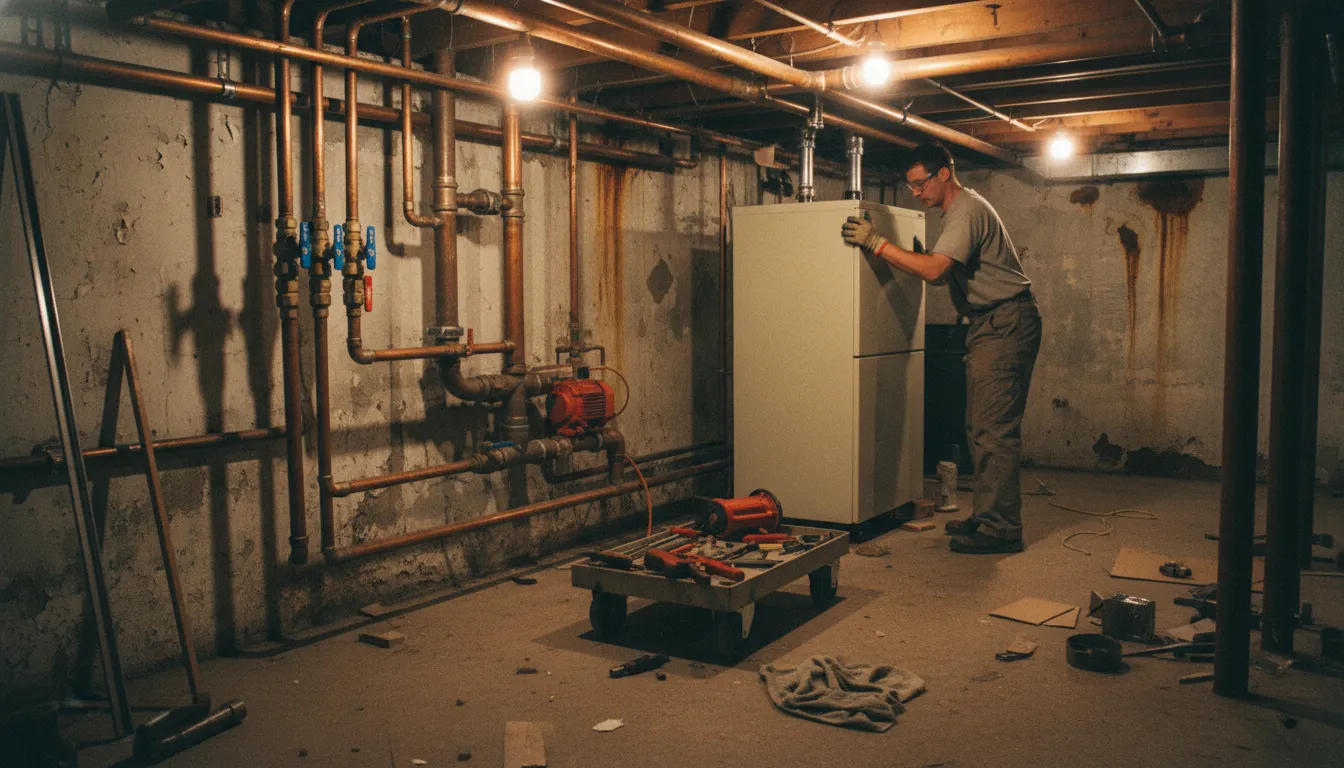
Find the Best Boiler Installation & Replacement Contractors for Your Business
No obligation • Fast responses • Nationwide coverage

Why you can trust HVAC Firms
HVAC Firms is a leading United States resource for evaluating HVAC service providers. Our team researches companies, checks credentials, and reviews customer feedback to present clear, unbiased information. Listings and rankings are based on merit, and companies cannot pay to change our editorial content.
Search providers near you
Best Boiler Installation & Replacement Contractors in Colorado Ranked
Installing or replacing a boiler is a significant home improvement project that ensures reliable heating and hot water for your Colorado home. This process involves selecting the right high-efficiency unit, navigating state and local building codes, and securing professional installation. The information here is designed to help you understand the key considerations, from regulations and efficiency standards to budgeting, so you can make an informed decision and connect with qualified local professionals for your project.
True Heating & Cooling
1351 W 121st Ave, Westminster, CO 80234
True Heating & Cooling is an HVAC company based in Denver, CO, offering heating, air conditioning, and indoor air quality services. They serve Westminster and nearby areas including Broomfield and Boulder. Their services include installation, repair, and maintenance of furnaces, boilers, air conditioners, heat pumps, ductless mini-split systems, and thermostats. As NATE-certified technicians and official Lennox dealers, they provide skilled work with access to quality equipment. True Heating & Cooling has 24/7 emergency availability to address urgent HVAC needs.
Comfort Pros Heating and Air Conditioning
7270 Gilpin Way #220, Denver, CO 80229
Comfort Pros Heating and Air Conditioning is a family-owned HVAC company serving Denver, CO, with over 15 years of experience. They specialize in the installation, repair, and maintenance of heat pumps, furnaces, air conditioners, boilers, and mini-split systems. Comfort Pros is known for working with high-quality manufacturers and providing thorough system analyses to help customers understand their options. Their team emphasizes clear communication and detailed explanations throughout each project.
Tonville HVAC LLC
710 N 7th Ave #1, Brighton, CO 80601
Tonville HVAC LLC is a locally owned HVAC company serving Denver, CO, and surrounding areas. Since 1987, they have provided heating, air conditioning, geothermal, and ventilation services including installation, repair, and maintenance of furnaces, boilers, rooftop units, and ductless mini splits. Their team is experienced in geothermal system work and offers emergency service along with industry-leading warranties on workmanship and parts.
100% Service, Inc.
Denver, CO
100% Service, Inc. is a family-owned HVAC company serving Denver, CO, and the surrounding metro area. With over 30 years of experience, they provide repair, installation, and maintenance services for air conditioners, furnaces, boilers, and thermostats. Their skilled technicians offer tailored solutions to keep heating and cooling systems running efficiently and extend appliance life. The company is known for handling emergency repairs and offers comprehensive HVAC maintenance plans to help customers maintain comfortable and energy-efficient homes.
L&M HVAC & Mechanical
8500 Cedar Ln, Westminster, CO 80031
L&M HVAC & Mechanical is a full-service heating and cooling company based in Westminster, Colorado, serving the Metro Denver region including Denver and surrounding communities. They provide installation, repair, maintenance, and replacement services for furnaces, air conditioners, heat pumps, boilers, ductless mini-splits, and indoor air quality systems. The company offers 24/7 emergency HVAC service to address urgent heating and cooling needs promptly. Their technicians are licensed and insured, working with all major brands to ensure efficient and reliable system performance.
Understanding Colorado's Boiler Regulations
Colorado's building codes are designed to ensure safety, efficiency, and reliability for all mechanical systems, including boilers. Homeowners and contractors must adhere to a specific set of state-adopted codes, which are then enforced by local jurisdictions like counties and cities.
- State Building Codes: Colorado has adopted the 2021 International Mechanical Code (IMC), International Fuel Gas Code (IFGC), and International Energy Conservation Code (IECC) as its baseline standards 1. These codes govern the installation, venting, and energy efficiency of new boiler systems.
- Permits Are Mandatory: A building permit is almost always required for a boiler replacement or new installation. This ensures the work is inspected and complies with all safety codes. The permit process is handled by your local building department (e.g., Arapahoe County, Denver), which may have specific application requirements.
- Licensing is Crucial: Any work involving gas lines or electrical connections must be performed by a licensed professional. Attempting a DIY installation on a gas boiler can void manufacturer warranties, compromise your home insurance, and create serious safety hazards.
- Boiler Registration: Certain types of boilers may require registration with the National Board of Boiler and Pressure Vessel Inspectors, a process typically handled by your installer 2 3.
The Shift to High-Efficiency Boilers
Efficiency is a primary focus in Colorado, both for reducing home energy bills and meeting broader environmental goals. When replacing an old boiler, you will almost certainly be upgrading to a high-efficiency model.
- Understanding AFUE: A boiler's efficiency is measured by its Annual Fuel Utilization Efficiency (AFUE) rating. This percentage indicates how much of the fuel's energy is converted into usable heat over a typical year.
- Current Standard: Modern, high-efficiency condensing boilers typically have AFUE ratings between 90% and 98.5%. These units extract more heat from combustion gases, making them significantly more efficient than older models.
- Replacing Old Units: Many older boilers in Colorado homes operate at 56% to 83% AFUE. Current codes and best practices generally require these to be replaced with high-efficiency units during a replacement project.
- Future Standards: Colorado is implementing stricter emissions standards for new gas-fired water heaters and boilers sold after 2025, further pushing the market toward cleaner, more efficient technologies 4.
Key Installation Considerations
A successful boiler installation goes beyond just swapping an old unit for a new one. Several critical factors must be addressed to ensure optimal performance and safety.
- Proper Sizing: An HVAC professional will perform a heat load calculation to determine the correct boiler size for your home. An oversized boiler will cycle on and off inefficiently, while an undersized one will struggle to keep your home warm.
- Venting and Combustion Air: High-efficiency condensing boilers require specific venting materials (often PVC) to handle cooler exhaust gases 5. Equally important is providing adequate combustion air for safe operation, which must be planned according to code.
- System Integration: The installer must properly integrate the new boiler with your existing hydronic (water-based) heating system, which may include radiators, baseboard heaters, or radiant floor tubing. This may involve flushing the system or upgrading components like circulator pumps or expansion tanks.
- Fuel Source: Most boilers in Colorado are natural gas-fired, but propane and electric models are also available. Your choice will depend on local fuel availability and cost.
Find the perfect boiler installation & replacement contractors for your needs
Get personalized recommendations and expert advice
Cost Factors for Boiler Projects
The total investment for a boiler installation or replacement in Colorado can vary widely. Understanding what influences the final price helps in budgeting and evaluating quotes.
- Typical Cost Range: For a full replacement, homeowners can generally expect costs ranging from $10,000 to over $30,000, with complexity being the biggest driver 6 7. A straightforward swap may fall in the mid-range of $10,000 to $17,000 for the unit and professional installation 6 8.
- Unit Cost: The boiler itself is a major factor. Higher AFUE ratings, advanced modulating burners, and brand reputation can increase the unit's price.
- Labor and Complexity: Labor constitutes a significant portion of the cost. Projects that require extensive new piping, moving the boiler location, upgrading electrical service, or installing complex venting runs will be more expensive than a simple like-for-like replacement.
- Additional Components: The total project cost often includes items beyond the boiler, such as:
- System flushing and water treatment
- New circulator pumps, valves, or zone controls
- Upgraded thermostats or smart controls
- Permits and inspection fees 9
- Getting Accurate Quotes: Due to these variables, it's essential to get detailed, written estimates from multiple licensed HVAC contractors in your area. A reputable professional will provide a breakdown of costs and explain the scope of work.
Choosing a Qualified Professional in Colorado
Your choice of installer is as important as your choice of boiler. A qualified professional ensures the job is done safely, to code, and for optimal efficiency.
- Verify Licenses and Insurance: Always confirm that the contractor holds a valid Colorado license for HVAC and gas work. They should also carry general liability and workers' compensation insurance.
- Check Local Experience: Choose a company familiar with the specific permit and code requirements of your city or county. Local experience means they understand regional challenges and inspector expectations.
- Ask for References and Reviews: Request references from recent boiler installation customers and check online reviews on trusted platforms.
- Review the Proposal Thoroughly: A detailed proposal should include the make and model of the boiler, its AFUE rating, a complete scope of work, warranty information (both parts and labor), and a clear total price.
- Prioritize Safety and Code Compliance: The lowest bid may not include all necessary code upgrades or safety checks. Ensure the contractor prioritizes proper venting, combustion air, and system setup over cutting corners.
Maintaining Your New Boiler System
Once your new high-efficiency boiler is installed, proper maintenance is key to longevity, efficiency, and safety.
- Annual Professional Service: Schedule a yearly tune-up with a qualified technician before each heating season. This service typically includes cleaning the burner and heat exchanger, checking venting, testing safety controls, and inspecting the water pressure and expansion tank.
- Monitor System Pressure: Learn how to check the system's pressure gauge on your boiler. Your installer can show you the normal range and what to do if the pressure is too high or too low.
- Listen for Unusual Noises: Banging, whistling, or gurgling sounds can indicate issues like air in the system, low water flow, or a failing pump.
- Keep Vents Clear: Ensure the boiler's air intake and exhaust vents (terminals) outside your home are never blocked by snow, leaves, or debris.
Frequently asked questions
Sources
Footnotes
-
Approved State Building Codes - https://osa.colorado.gov/sites/osa/files/documents/Exh-A-BldgCodes%202023.pdf ↩
-
BOILER AND PRESSURE VESSEL REGULATIONS OF THE ... - https://ops.colorado.gov/sites/ops/files/BoilerRegulations120108.pdf ↩
-
Code of Colorado Regulations - Division of Oil and Public Safety logo - https://ops.colorado.gov/sites/ops/files/BoilerRegulations031111.pdf ↩
-
House Bill 23-1161 - INTRODUCED - Colorado.gov - https://leg.colorado.gov/sites/default/files/documents/2023A/bills/2023a_1161_01.pdf ↩
-
Guide to Installing a New Boiler System - Aspen Creek HVAC - https://www.aspencreekhc.com/guide-to-installing-a-new-boiler-system/ ↩
-
Navigating Boiler Replacement Costs in Colorado - https://www.vectramechanical.com/blog/navigating-boiler-replacement-costs-in-colorado-a-comprehensive-guide-for-efficient-solutions ↩ ↩2
-
Boiler Installation Costs in Denver, CO - Plumbline Services - https://plumblineservices.com/help-guides/boiler-installation-costs-in-denver-co ↩
-
Boiler Installations and Replacements in Denver - https://rabbitheating.com/boiler-installation/ ↩
-
Residential Building Permit Requirements Boiler Replacement - https://www.arapahoeco.gov/Public%20Works_Development/Building/Residential%20Permit%20Application%20Requirements/Residential%20-%20Boiler.pdf ↩