Find the Best Boiler Installation & Replacement Contractors for Your Business
No obligation • Fast responses • Nationwide coverage

Why you can trust HVAC Firms
HVAC Firms is a leading United States resource for evaluating HVAC service providers. Our team researches companies, checks credentials, and reviews customer feedback to present clear, unbiased information. Listings and rankings are based on merit, and companies cannot pay to change our editorial content.
Search providers near you
Best Boiler Installation & Replacement Contractors in Alaska Ranked
Installing or replacing a boiler in Alaska is a significant home improvement decision that directly impacts your comfort, safety, and energy bills. Given the state's extreme climate, a properly sized and installed boiler system is not just a convenience but a necessity for reliable heat. This resource provides essential information on regulations, efficiency considerations, and costs to help you navigate the process of finding a qualified local professional for your boiler project.
Diamond Heating & AirTemp Alaska
5406 Lake Otis Pkwy, Anchorage, AK 99507
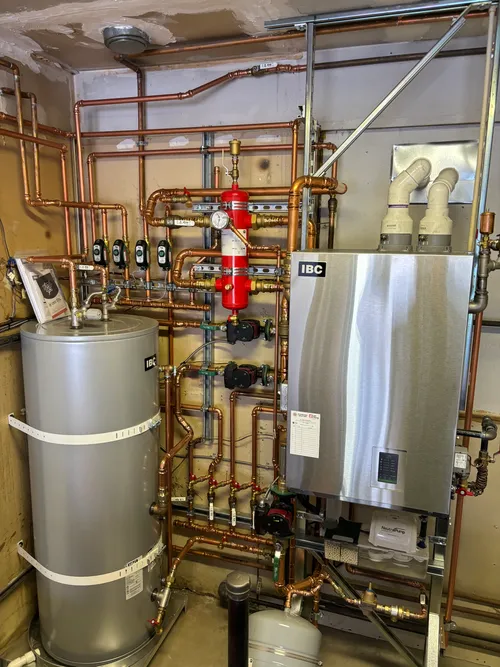
Diamond Heating & AirTemp Alaska is an HVAC company based in Anchorage, AK, offering installation, repair, and maintenance services for heating and cooling systems. Their services include furnaces, boilers, heat pumps, mini-splits, water heaters, indoor air quality solutions, and thermostat installations. With over 25 years of experience, they provide high-efficiency and reliable heating products suited for the Alaskan climate. The company also offers smart thermostats and zoning controls to enhance system performance and comfort.
Plumbing & Heating Doctor
601 Bunker Hill St Suite D, Wasilla, AK 99654
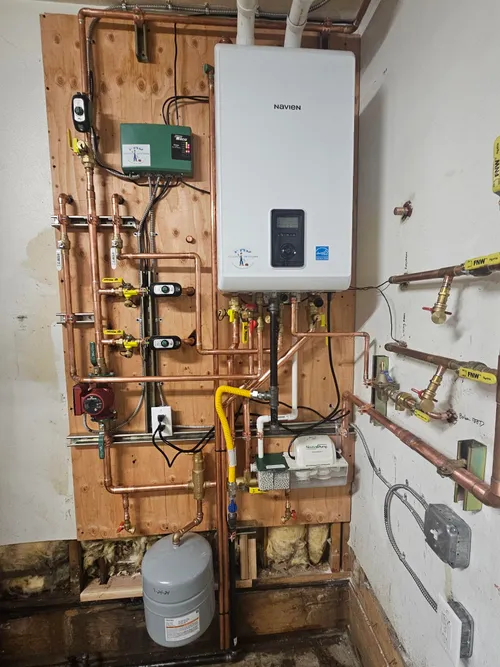
Plumbing & Heating Doctor is a locally owned plumbing, heating, and HVAC company based in Wasilla, Alaska, serving Anchorage and surrounding areas including Palmer, Big Lake, and Willow. They provide a full range of residential and commercial services such as furnace and boiler repair, installation, and HVAC tune-ups tailored to Alaska's unique climate. Their certified technicians specialize in high-efficiency water heaters, boilers, and furnaces to ensure reliable comfort and energy savings. The company offers 24/7 emergency services to address urgent heating and plumbing needs at any time.
Hardy Heating Inc
9191 E Frontage Rd, Palmer, AK 99645
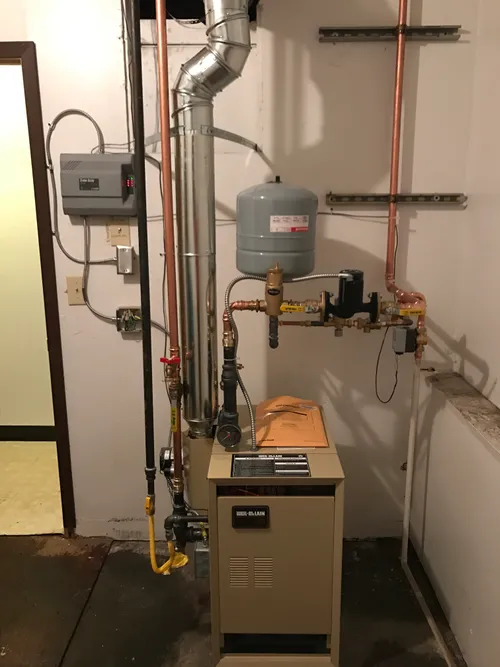
Hardy Heating Inc is an HVAC company serving Anchorage, AK, and the surrounding South Central Alaska area. Established in 1994, the company provides a range of services including air conditioning repair and installation, furnace and boiler repair and installation, and indoor air quality solutions for both residential and commercial customers. Hardy Heating offers emergency repair services and has expertise in maintaining heating and cooling systems to ensure comfortable indoor environments year-round. The company holds an A+ rating from the Better Business Bureau and is licensed and insured.
Bowker Mechanical HVAC LLC
7160 Anna Marie Dr, Wasilla, AK 99623
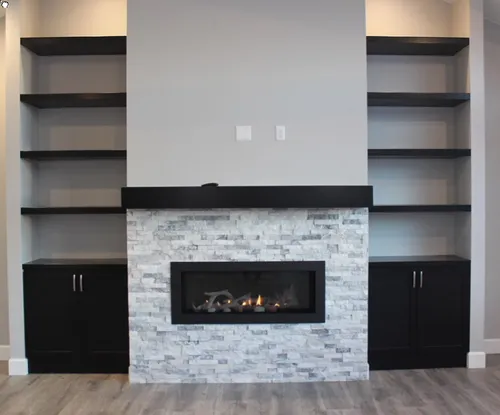
Bowker Mechanical HVAC LLC is a veteran-owned HVAC service and support company located in Wasilla, serving Anchorage, AK and the Mat-Su Valley. Founded in 1996, they provide heating, ventilation, and air conditioning installation, repair, and maintenance services for residential and commercial customers. As the only authorized Trane dealer in the Mat-Su Valley, they offer expertise in HVAC systems, including gas and wood burning fireplaces, and focus on indoor air quality solutions. Bowker Mechanical services all makes and models and is known for tailored solutions that fit unique customer needs.
Mammoth Heating
3801 E Bogard Rd, Wasilla, AK 99654
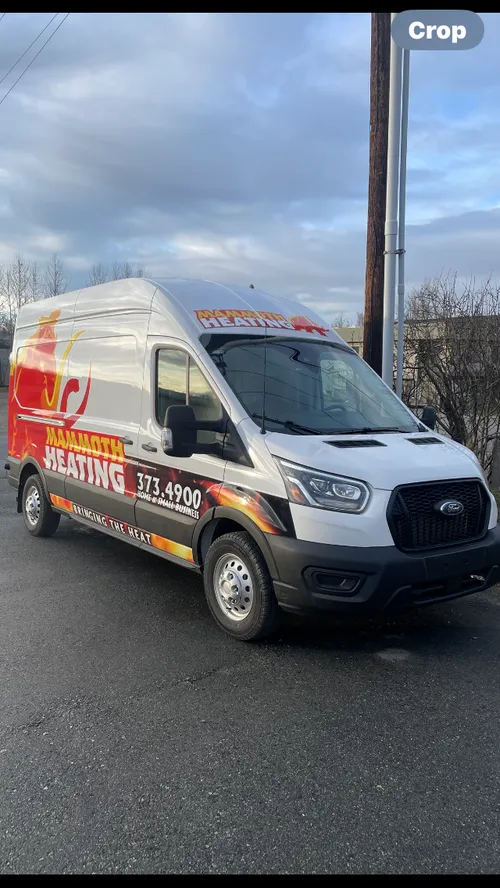
Mammoth Heating is a locally owned heating company serving Anchorage, AK, and nearby areas including Wasilla, Palmer, and Eagle River. They specialize in furnace and boiler repair, installation, and maintenance for residential and small business customers. The company offers 24/7 emergency services and focuses solely on home heating systems, providing tailored solutions with licensed and insured technicians. With over 23 years of experience from their background in residential remodeling, Mammoth Heating brings dedicated expertise to heating system care and replacement.
Understanding Alaska's Boiler Regulations
Alaska has specific codes and oversight to ensure heating systems are installed safely and effectively. The primary regulatory body is the Alaska Department of Labor and Workforce Development, Mechanical Inspection Section1. For any new boiler installation, your contractor is required to file a Notification of New Boiler Installation with this department2.
All installations must comply with the 2021 International Mechanical Code (IMC) with Alaska Amendments. This code governs critical aspects like boiler room clearances, proper mounting, combustion air requirements, and venting. A key Alaska-specific rule is that appliances must be rated for the specific altitude where they are installed, which can affect combustion performance3. Ignoring these codes can lead to unsafe conditions, failed inspections, and potential liability.
The Critical Role of Permits
A permit is required for boiler installation or replacement. This process covers the gas line, electrical connections, venting system, and overall safety. The permitting and subsequent inspection are your assurance that the work meets state safety standards. Always verify your contractor will pull the necessary permits before work begins.
Why Efficiency is Paramount in Alaska
With long, harsh winters, heating efficiency translates directly into lower fuel costs and increased comfort. The key metric is Annual Fuel Utilization Efficiency (AFUE). This percentage indicates how much of the fuel is converted into usable heat.
- Standard/Mid-Efficiency Boilers: These units typically have an AFUE between 80% and 89%. While an improvement over very old systems, they still waste a portion of the fuel you pay for.
- High-Efficiency Boilers: These models have an AFUE of 90% or higher. For Alaskan homes, investing in a high-efficiency boiler is strongly recommended, as the energy savings will be substantial over the system's lifespan 4.
Older boilers can have AFUE ratings as low as 60%, meaning nearly half of your heating dollars are lost. Upgrading to a modern, high-efficiency unit is one of the most effective energy-saving upgrades an Alaskan homeowner can make.
Sealed Combustion: A Best Practice for the North
One of the most important features for an Alaskan boiler is sealed combustion (often part of a direct-vent system). Unlike traditional systems that draw combustion air from inside your home, a sealed combustion unit pulls air directly from outside through one pipe and exhausts flue gases back outside through another.
This design offers crucial benefits:
- Safety: Eliminates the risk of dangerous backdrafting, where exhaust gases are pulled back into the living space.
- Efficiency: Uses colder, denser outside air for better combustion and doesn't waste heated indoor air.
- Protection: Prevents moisture and cold air from entering through an old, unused chimney, which must be properly sealed when a new direct-vent system is installed.
The Installation Process: What to Expect
A professional boiler installation is a multi-step process that goes beyond simply swapping units.
- Assessment and Sizing: A qualified technician will perform a heat load calculation to determine the correct boiler size for your home, considering insulation, windows, and layout. An oversized or undersized boiler will perform poorly.
- Code and Compliance Planning: The installer will plan the layout to meet IMC clearance rules, ensure adequate combustion air, and design the venting system5 6.
- Preparation: This includes safely disconnecting and removing the old unit, preparing the site, and sealing the old chimney or flue if switching to a direct-vent system.
- Installation: The new boiler is placed, connected to fuel and water lines, and electrically wired. The venting system is meticulously installed according to manufacturer and code specifications.
- Testing and Commissioning: This critical phase includes checking for gas leaks, testing combustion safety, verifying proper vent draft, setting control parameters, and ensuring the entire system operates correctly7 8.
- Inspection: The local inspector will verify the installation meets all code requirements before the system is put into full operation.
Cost Considerations for Alaskan Homeowners
Boiler replacement costs in Alaska vary based on equipment type, home specifics, and labor. Here is a general cost framework:
- Mid-Efficiency Boiler (80-89% AFUE): Installation typically starts in the range of $3,500 to $6,000+ 9.
- High-Efficiency Boiler (90%+ AFUE, Sealed Combustion): For these recommended units, expect to invest between $6,000 and $8,500+, with complex installations potentially reaching $10,000 or more10 11.
These costs encompass several components:
- Equipment: The boiler unit itself ($2,000 - $5,000).
- Labor: Professional installation ($1,500 - $2,500+).
- Permits: Local permit fees ($50 - $200).
- Removal & Disposal: Removing the old boiler and related components ($500 - $1,000).
- Additional Materials: New piping, vents, circulators, or controls if needed.
Find the perfect boiler installation & replacement contractors for your needs
Get personalized recommendations and expert advice
The Alaska Building Energy Efficiency Standard
For new construction or major renovations, your project may also need to comply with the Alaska Building Energy Efficiency Standard12. This may involve using the AkWarm program for energy rating. The standard emphasizes proper insulation (often requiring Grade I installation) and efficient mechanical systems to reduce overall energy consumption13. Your contractor should be familiar with these requirements if they apply to your situation.
How to Choose the Right Professional
Selecting an experienced installer is the most important step. Here's what to look for:
- Alaska Licensing & Insurance: Ensure the contractor holds the appropriate state licenses and carries liability insurance.
- Local Code Expertise: They must be thoroughly familiar with the Alaska Amendments to the IMC and local permit processes.
- Experience with Sealed Combustion: Given its importance, choose a pro with a proven track record installing high-efficiency, direct-vent systems.
- References and Reviews: Ask for local references and check online reviews to gauge reputation and quality of work.
- Detailed Proposal: A trustworthy contractor will provide a written estimate detailing the equipment model (with AFUE rating), scope of work, labor, permit responsibilities, and a clear timeline.
By prioritizing efficiency, safety through sealed combustion, and compliance with Alaska's specific codes, you can ensure your new boiler provides reliable, cost-effective heat for years to come.
Frequently asked questions
Sources
Footnotes
-
Boilers & Unfired Pressure Vessels - https://labor.alaska.gov/lss/forms/boiler-stats-regs.pdf ↩
-
Notification of New Boiler Installation - https://www.labor.state.ak.us/lss/forms/new_boiler_install_notification.pdf?q=032525 ↩
-
Chapter 3 General Regulations: Alaska Mechanical Code 2012 - https://up.codes/viewer/alaska/imc-2012/chapter/3/general-regulations ↩
-
EnergY Savers Tips FOR ALASKA - https://www.ahfc.us/application/files/9415/6571/5183/AK_Alaska_Energy_Authority_Energy_Saving_Tips.pdf ↩
-
2021 International Mechanical Code with Alaska Amendments - https://codes.iccsafe.org/s/AKIMC2021P1/chapter-10-boilers-water-heaters-and-pressure-vessels/AKIMC2021P1-Ch10-Sec1004.2 ↩
-
Chapter 10 Boilers, Water Heaters and Pressure Vessels - https://up.codes/viewer/alaska/imc-2021/chapter/10/boilers-water-heaters-and-pressure-vessels ↩
-
Oil or Gas Boiler Replacement - Building America Solution Center - https://basc.pnnl.gov/home-improvement-expert/checklists/oil-or-gas-boiler-replacement ↩
-
Guide to Installing a New Boiler System - Aspen Creek HVAC - https://www.aspencreekhc.com/guide-to-installing-a-new-boiler-system/ ↩
-
Anchorage Boilers Costs & Prices - ProMatcher Cost Report - https://boilers.promatcher.com/cost/anchorage-ak-boilers-costs-prices.aspx ↩
-
Boiler Replacement Costs: Smart Budgeting and Planning Guide - https://www.tcmemt.com/post/the-cost-of-boiler-replacement-expert-guide-to-smart-budgeting-and-installation-planning ↩
-
How Much Does it Cost to Replace a Boiler? - Runwise - https://www.runwise.com/learn/how-much-does-it-cost-to-replace-a-boiler ↩
-
Alaska Building Energy Efficiency Standard - Insulation Institute - https://insulationinstitute.org/wp-content/uploads/2025/05/N144-AK-Energy-Code-0425.pdf ↩
-
PART 1 - AWS.state.ak.us - https://aws.state.ak.us/OnlinePublicNotices/Notices/Attachment.aspx?id=98461 ↩