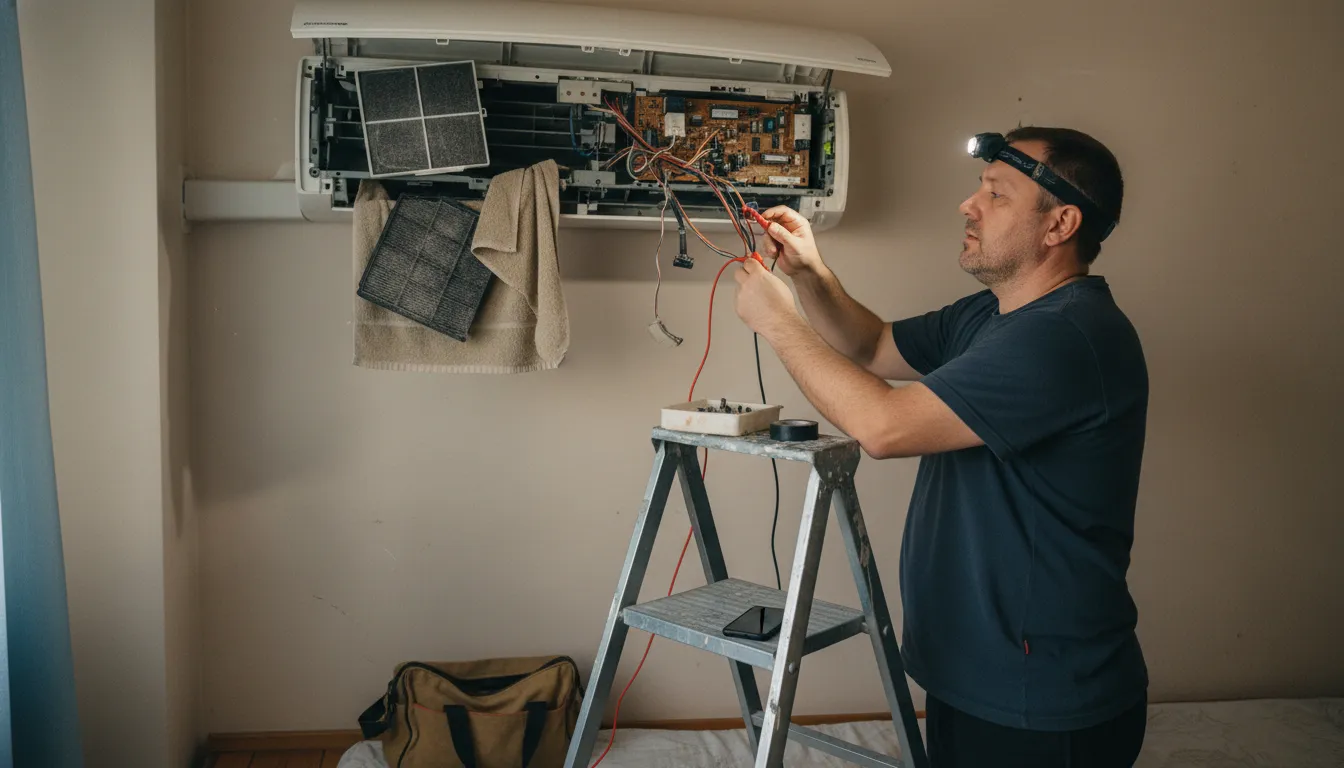
Find the Best AC Repair Contractors for Your Business
No obligation • Fast responses • Nationwide coverage

Why you can trust HVAC Firms
HVAC Firms is a leading United States resource for evaluating HVAC service providers. Our team researches companies, checks credentials, and reviews customer feedback to present clear, unbiased information. Listings and rankings are based on merit, and companies cannot pay to change our editorial content.
Search providers near you
Top AC Repair Contractors in Grand Prairie, Texas Ranked
When your air conditioner falters in Grand Prairie's intense Texas heat, finding reliable and prompt service is essential for restoring comfort and protecting your home. AC repair involves diagnosing and fixing issues with your cooling system, from simple thermostat glitches to complex compressor failures. This guide will help you understand common problems, what to expect during a service call, and how to connect with skilled local technicians who can get your system running efficiently again.
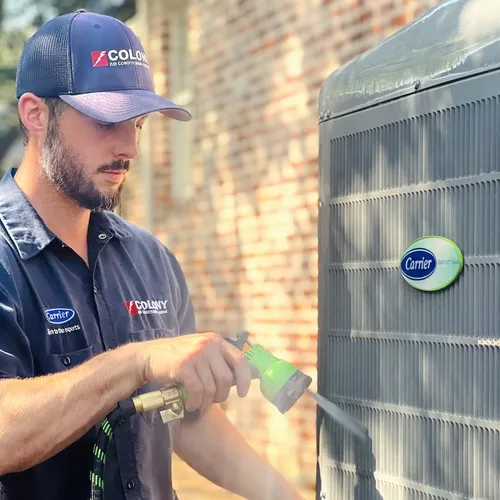
Colony Air Conditioning & Heating
4805 S Colony Blvd, The Colony, TX 75056
Colony Air Conditioning & Heating has provided HVAC repair, installation, and maintenance services in Dallas, TX, and surrounding North Dallas communities for nearly 50 years. They offer a range of services including air conditioning and furnace repair, installation, and tune-ups. The company serves areas such as Frisco, Plano, Carrollton, Flower Mound, and The Colony, focusing on clear communication and trustworthy recommendations to ensure customer comfort.
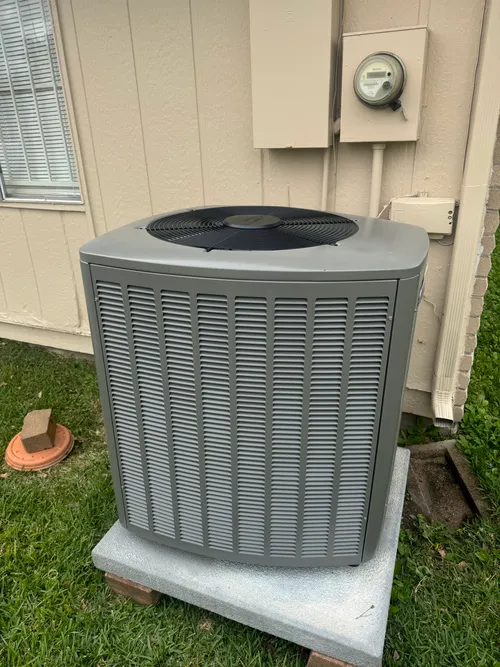
United States Home Services
1805 Royal Ln #101, Dallas, TX 75229
United States Home Services is a Dallas, TX-based company specializing in HVAC, plumbing, and insulation solutions. They provide a range of services including air conditioning, furnace, and heat pump repair and installation, as well as HVAC tune-ups. With over 20 years of experience, they serve homeowners throughout the Dallas metroplex, offering reliable and transparent service. One of their key capabilities is providing custom HVAC installations tailored to home comfort needs. The company emphasizes clear pricing and customer satisfaction, backed by a 100% satisfaction guarantee.
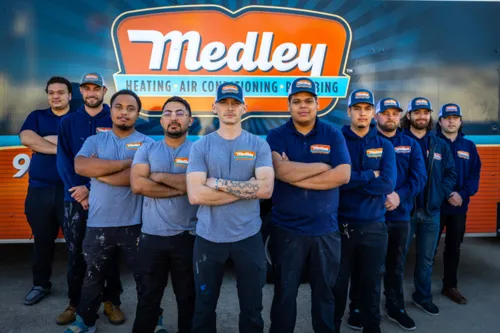
Medley Heating Air Conditioning Plumbing
1711 Briercroft Ct ste 127, Carrollton, TX 75006
Medley Heating Air Conditioning Plumbing provides heating, air conditioning, indoor air quality, and plumbing services in Dallas, TX. They offer installation, repair, and maintenance for HVAC systems, including furnaces and air conditioners, with a focus on high-efficiency solutions. Their licensed technicians are employees who receive ongoing training and background checks, ensuring careful and knowledgeable service. Medley also offers financing options to assist with system upgrades and emergency repairs. The company serves Dallas and nearby communities such as Carrollton, Coppell, and Plano.
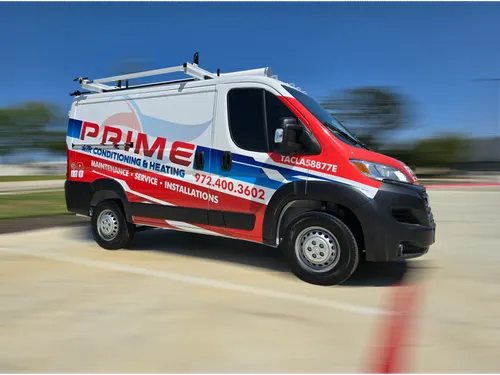
Prime AC and Heat
150 Valley Ridge Blvd Suite #102, Lewisville, TX 75057
Prime AC and Heat is a residential HVAC company serving Dallas, TX, and the wider DFW metroplex, including Lewisville, Flower Mound, and surrounding areas. They offer a full range of home comfort services such as air conditioning repair and replacement, furnace installation and repair, heat pump service, duct cleaning, thermostat installation, and indoor air quality solutions. The company provides 24/7 emergency service with same-day appointments to address urgent HVAC needs. Prime AC and Heat is known for its licensed technicians, A+ BBB rating, and transparent pricing without hidden fees.
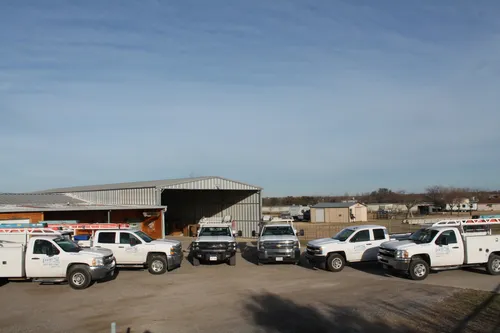
Lawrence Air Conditioning & Heating
7949 Old Decatur Rd, Fort Worth, TX 76179
Lawrence Air Conditioning & Heating is an HVAC company based in Fort Worth, TX. They provide air conditioning and furnace repair, installation, and sales services. Established in 1989, the company has over three decades of experience in heating and cooling solutions.
Common Air Conditioning Problems in Grand Prairie
The relentless summer sun in North Texas puts immense strain on cooling systems, leading to a predictable set of issues. Recognizing the signs early can prevent minor problems from escalating into costly, full-system failures.
- Refrigerant Leaks: This is a frequent culprit in hot climates. Low refrigerant levels, often due to leaks in the coil or lines, prevent your system from absorbing heat effectively. You'll notice it blowing warm air or struggling to reach the set temperature, leading to higher energy bills and potential compressor damage.
- Dirty Air Filters: A clogged filter is one of the most common and preventable causes of AC trouble. It restricts airflow, forcing the system to work harder. This results in weak cooling, frozen evaporator coils, increased strain on components, and significantly higher utility costs 1.
- Clogged Condensate Drains: As your AC removes humidity, it produces condensation that drains away. In Grand Prairie's humidity, this drain line can become clogged with algae or mold, leading to water leaks around your indoor unit, which can cause water damage and promote mold growth.
- Thermostat Malfunctions: Sometimes the issue isn't with the AC unit itself but with its command center. A thermostat that is poorly calibrated, has faulty wiring, or is failing entirely can cause the system to cycle incorrectly or not turn on at all.
- Blower Motor or Fan Problems: The indoor blower motor circulates cool air, while the outdoor fan expels heat. Issues here, such as worn bearings or electrical failures, lead to weak airflow, strange noises (like squealing or grinding), and inadequate cooling.
- Short Cycling: This occurs when your air conditioner turns on and off more frequently than normal. It's often caused by an oversized unit, low refrigerant, or a dirty filter. Short cycling prevents your home from cooling properly, increases wear and tear, and spikes energy consumption.
- Strange Noises or Smells: Unusual sounds like grinding, buzzing, or banging are clear distress signals from mechanical or electrical components. Musty smells often indicate mold in the ductwork or drain pan, while a burning odor could point to an overheating motor or electrical issue, requiring immediate attention 2.
The Professional Diagnostic Process
When a technician arrives for an air conditioning service call, they follow a systematic approach to pinpoint the exact problem. A thorough diagnosis is key to an accurate and cost-effective repair.
- Visual Inspection & Initial Assessment: The technician will start by checking the thermostat settings and batteries, listening for unusual sounds, and looking for obvious signs of trouble like ice on coils, water pooling, or visible damage to components.
- Performance & System Checks: This involves using specialized tools to measure critical system parameters. They will check refrigerant pressure levels, measure the temperature difference between return and supply air, test electrical currents at the compressor and fan motors, and assess overall airflow to ensure the system is operating within design specifications 3.
- Ductwork and Airflow Evaluation: For complaints of weak airflow or uneven cooling, the technician may inspect accessible ductwork for leaks, disconnections, or blockages. They might also check static pressure to ensure the duct system is properly sized and sealed.
- Indoor Air Quality Considerations: If there are concerns about odors or allergies, the inspection may include checking the evaporator coil and drain pan for microbial growth and assessing the condition of the air filter beyond a simple replacement 4.
Understanding Repair Complexity and Timeframes
Not all air conditioner fixes are created equal. The time a repair takes depends on the issue's complexity and the parts required.
- Quick Repairs (30-60 minutes): These are typically straightforward fixes that don't require recovering refrigerant or major disassembly. Examples include replacing a thermostat, cleaning a condensate drain line, performing minor electrical work like tightening connections, or cleaning a severely clogged air filter.
- Moderate Repairs (1-3 hours): This category involves replacing key components that are accessible but require more skill. Common jobs include swapping out a failed capacitor, replacing an indoor blower motor or outdoor fan motor, or repairing a small refrigerant leak (if easily accessible).
- Major Repairs (Half-day to Multiple Days): These are intensive jobs that often involve the sealed refrigerant circuit or core components. Replacing a leaking evaporator coil or a failed compressor are major undertakings. The technician must recover all refrigerant, braze in new components, pressure-test the system, evacuate it to a deep vacuum, and then recharge it with the exact amount of refrigerant. This process is meticulous and can take a full day or more 5.
Find the perfect ac repair contractors for your needs
Get personalized recommendations and expert advice
What to Expect: Service Response and Costs
In a Grand Prairie summer, a broken AC is an emergency. Most local HVAC companies prioritize these calls, with many offering same-day or even 1-4 hour response windows for emergency service, though expedited response may come with an additional surcharge. A standard service call or diagnostic fee typically ranges from $100 to $200, which is often applied toward the cost of the repair if you proceed.
Repair costs vary widely based on the part needed and the labor involved. Here's a general breakdown based on regional data:
- Minor Repairs: $75 to $250. This covers components like a capacitor, contactor, or thermostat replacement.
- Mid-Range Repairs: $250 to $750. This includes jobs like replacing a fan motor, blower motor, or repairing a small refrigerant leak.
- Major System Repairs: $750 to $2,500 or more. This is the cost range for replacing a compressor, an evaporator coil, or a condenser coil. These are significant repairs, and when costs approach the higher end, it's often worth discussing if replacement of the entire outdoor unit or system is a more cost-effective long-term solution 6 7.
It's important to note that emergency service after standard business hours, on weekends, or during peak heatwaves may incur an additional surcharge, often between $75 and $200+ 8 9. Always ask for a detailed, written estimate before authorizing any major work.
Maintaining Your System After a Repair
Once your system is fixed, keeping it running smoothly is crucial. Commit to changing your air filter every 1-3 months. Ensure the area around your outdoor condenser unit is clear of debris, leaves, and overgrown vegetation for at least two feet on all sides. Consider scheduling a preventative maintenance tune-up twice a year-ideally in the spring for your AC and fall for your heater. A professional maintenance visit includes cleaning coils, checking refrigerant levels, calibrating the thermostat, and inspecting electrical components, which can prevent up to 95% of future breakdowns.
Choosing a Reliable Service Provider in Grand Prairie
With many companies offering cooling system services, making an informed choice matters. Look for a provider that is licensed, insured, and has positive, verifiable reviews from local customers. They should be transparent about pricing, offer clear explanations of needed repairs, and provide options without high-pressure sales tactics. A trustworthy technician will perform a comprehensive diagnosis, not just a quick fix, and will discuss both repair and replacement options honestly if your system is aging.
Frequently asked questions
Sources
Footnotes
-
AC Repairs in Grand Prairie, TX | Comfort Experts - https://comfortexpertsinc.com/service-areas/grand-prairie-tx/ac-repairs/ ↩
-
AC Repair in Grand Prairie, TX - Anthony's AC and Heating - https://www.anthonysacandheating.com/ac-repair-grand-prairie-tx/ ↩
-
Top Grand Prairie AC Repair Services for Your Comfort - https://therightchoicetexas.com/service-areas/hvac-grand-prairie/ ↩
-
24/7 AC Services In Grand Prairie, TX | HVAC Pros - https://willardac.com/fort-worth/service-area/grand-prairie/ ↩
-
Grand Prairie HVAC Services - Heating and Air Install - https://www.greentechdfw.com/locations/grand-prairie-tx ↩
-
AC Repair Cost North Texas (2025) - Jupitair HVAC - https://jupitairhvac.com/blog/ac-repair-cost-north-texas-2025/ ↩
-
Average AC Repair Costs in Texas - The 2025 Guide - https://ctrairandheat.com/blog/ac-repair-costs-tx-2025/ ↩
-
How much does AC repair cost in North Dallas? - https://airrepairpros.com/blog/how-much-does-ac-repair-cost-in-north-dallas/ ↩
-
How quickly should you expect a response from an emergency AC ... - https://www.trueblueac.com/blog/how-quickly-should-you-expect-a-response-from-an-emergency-ac-repair-service/ ↩