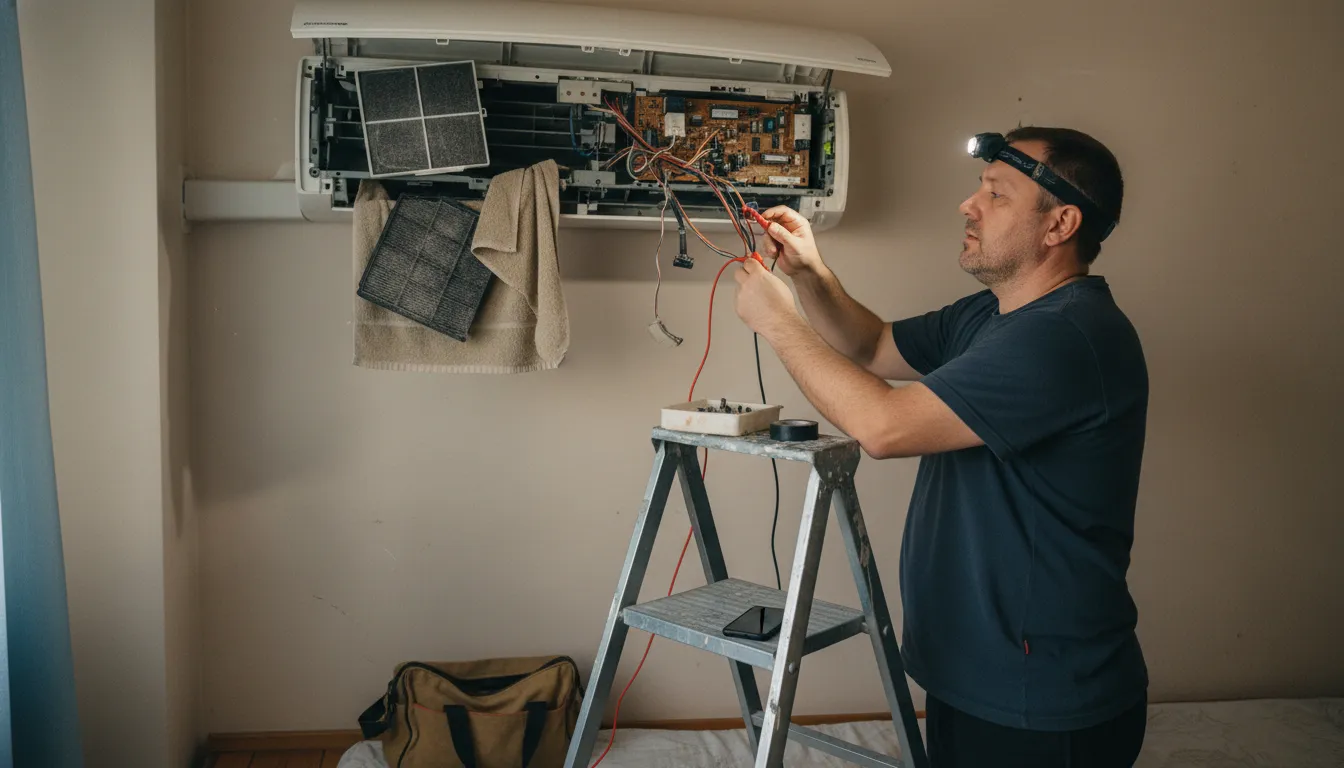
Find the Best AC Repair Contractors for Your Business
No obligation • Fast responses • Nationwide coverage

Why you can trust HVAC Firms
HVAC Firms is a leading United States resource for evaluating HVAC service providers. Our team researches companies, checks credentials, and reviews customer feedback to present clear, unbiased information. Listings and rankings are based on merit, and companies cannot pay to change our editorial content.
Search providers near you
Best AC Repair Contractors in Pennsylvania Ranked
When your air conditioner fails during a Pennsylvania summer, it's more than an inconvenience-it's a pressing need for comfort and safety. Professional AC repair services address everything from sudden breakdowns to declining efficiency, ensuring your home or business stays cool. This guide explains the common systems in the state, typical problems you might face, and what to expect in terms of service and cost, helping you make informed decisions when you need to find a qualified local technician.
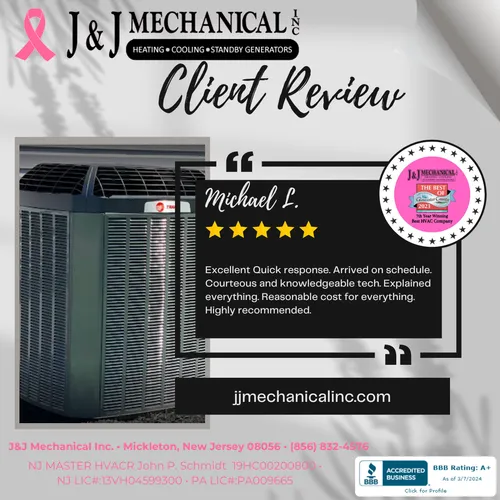
J&J Mechanical Inc.
200 Grove Rd, Paulsboro, NJ 08066
J&J Mechanical Inc. is a family-owned HVAC and generator service provider serving Philadelphia, PA, and the surrounding South Jersey and Southeastern Pennsylvania areas. They offer a wide range of services including air conditioning and heating installation, repair, maintenance, and indoor air quality solutions. Their N.A.T.E certified technicians provide reliable system tune-ups and emergency repairs, along with energy-efficient and environmentally friendly options such as high-efficiency HVAC systems and backup generators. With over two decades of experience, J&J Mechanical Inc. is committed to transparent pricing and community involvement.
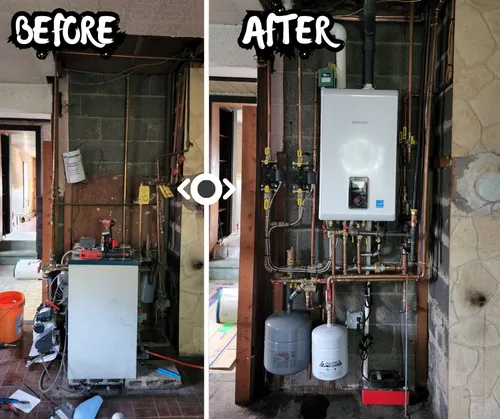
McGinley Services Heating & Cooling
746 Chester Pike STE A, Prospect Park, PA 19076
McGinley Services Heating & Cooling is a family-owned HVAC company serving Philadelphia, PA, and nearby Delaware and Montgomery counties. Since 2020, they have provided heating, air conditioning, indoor air quality, and water heating services, including installations, repairs, duct cleaning, and maintenance. The company offers 24/7 emergency service and same-day appointments, ensuring support during inconvenient times. Their licensed and insured team is experienced in heat pump and furnace installations as well as boiler repairs, focusing on safety and quality.
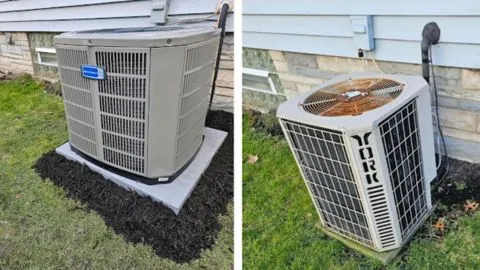
Supreme Heating and Cooling
1475 Frey Rd, Penn Hills Township, PA 15235
Supreme Heating and Cooling is an HVAC company based in Pittsburgh, PA, offering a wide range of heating and cooling services. They provide installation, repair, and maintenance for air conditioners, furnaces, heat pumps, boilers, mini split systems, and indoor air quality equipment. Their certified technicians also handle electrical services related to HVAC systems. The company emphasizes energy efficiency and improved indoor air quality in their work. Supreme Heating and Cooling is known for working with trusted brands and offers comprehensive HVAC solutions to keep homes comfortable year-round.
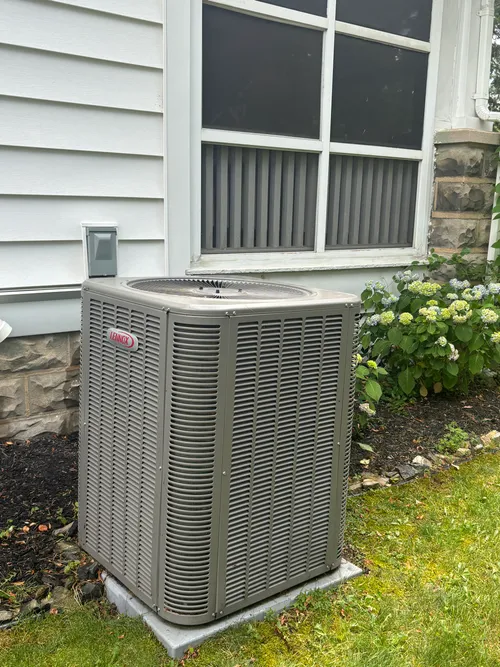
D’Auria & Son Heating and Air
26 Evergreen Ave, Blackwood, NJ 08012
D'Auria & Son Heating and Air is a family-owned HVAC company serving Philadelphia, PA, and the South Jersey area. With over 30 years of experience, they provide residential and commercial heating and cooling services, including installation, repair, and tune-ups for air conditioners and furnaces. The company offers 24/7 emergency repair services and focuses on maintaining comfortable indoor environments through reliable HVAC solutions.
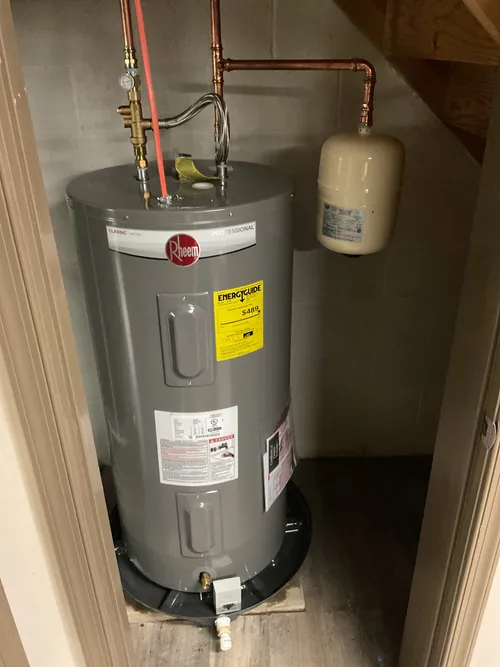
DiBiase Heating and Cooling Company
565 Abbott Dr, Broomall, PA 19008
DiBiase Heating and Cooling Company is an HVAC contractor based in Philadelphia, PA, offering a range of heating, cooling, and water heater services. They provide furnace and air conditioning repairs, full system installations, and energy-saving solutions such as high-efficiency water heaters and smart thermostats. Their services cover routine maintenance, emergency repairs, and energy-efficient upgrades to help maintain home comfort year-round. DiBiase Heating and Cooling Company also offers 24/7 service availability and specializes in ductless mini split AC systems and refrigerant leak repairs.
Common Air Conditioning Systems in Pennsylvania
The type of cooling system in your Pennsylvania home or business directly influences the repair approach and parts required. The state's diverse housing stock and climate lead to a mix of technologies.
Central Air Conditioning (Split Systems) This is the most common setup for homes with existing ductwork. It consists of an outdoor condenser unit and an indoor air handler/evaporator coil, working together to provide whole-home cooling. Its prevalence means most technicians are highly experienced with these systems, and parts are widely available.
Ductless Mini-Split Systems Ideal for older homes, additions, or spaces without ducts-like many Philadelphia rowhomes-mini-splits offer zoned cooling with high efficiency. They involve an outdoor compressor connected to one or more indoor wall-mounted units. Repairs can be specialized, focusing on refrigerant lines, individual fan units, or the central compressor.
Heat Pumps Increasingly popular across Pennsylvania, heat pumps provide both heating and cooling in one system. They operate similarly to central AC but can reverse the refrigerant flow. Repairs may involve components unique to the heating cycle, such as reversing valves, in addition to standard cooling parts.
Packaged Units All components are housed in a single cabinet, typically installed on a rooftop or slab. These are common in commercial settings, schools, and some homes without basements or crawlspaces. Service requires rooftop or exterior access and often deals with larger, commercial-grade components.
How Pennsylvania's Climate Impacts Your AC
The state's weather patterns place specific demands on cooling systems, influencing both performance and common failure points.
- Hot, Humid Summers: Pennsylvania summers can bring sustained heat and high humidity, requiring systems to run for long periods. This continuous operation stresses components like compressors and fan motors, making robust, properly sized systems and diligent maintenance crucial.
- Ductwork Dilemmas: The choice between central and ductless systems is often dictated by a building's architecture. Homes without existing ducts (common in historic areas) typically use ductless mini-splits, which also avoid energy losses associated with leaky or uninsulated ducts in older constructions1.
Common AC Problems and Repair Costs
Understanding typical issues can help you diagnose problems and budget for repairs. Costs in Pennsylvania can vary based on system type, part availability, and seasonal demand.
Minor Issues and Maintenance
These are often the most frequent service calls and can sometimes be prevented.
- Dirty Air Filters: A clogged filter restricts airflow, reducing efficiency and potentially freezing the evaporator coil. While replacing a filter is a simple DIY task, a technician visit for a tune-up that includes this service typically ranges from $50 to $150.
- Clogged Condensate Drain Line: Algae and mold can block the line that removes condensation, leading to water leaks and potential water damage. Clearing this line is a standard part of maintenance, costing between $100 and $250.
- Thermostat Malfunctions: An unresponsive or inaccurate thermostat can prevent your system from turning on or cooling properly. Repair or replacement of a standard thermostat generally costs $100 to $300.
Common Component Failures
These repairs address specific parts that wear out over time.
- Capacitor Replacement: The capacitor helps start the compressor and fan motors. It's one of the most common parts to fail, especially during the first heatwave of the season. Replacement costs $150 to $400.
- Fan Motor Issues: The outdoor condenser fan motor or indoor blower motor can fail due to wear, overheating, or electrical problems. Repair or replacement typically ranges from $400 to $1,000+, depending on the motor's type and accessibility.
- Refrigerant Leaks: A leak reduces cooling capacity and can damage the compressor. Repair involves finding the leak, sealing it, and recharging the system with refrigerant. Costs vary widely from $200 to $800 or more, based on the leak's location and the type/amount of refrigerant needed.
Major Repairs and System Replacements
When critical components fail, the repair-replace decision becomes paramount.
- Compressor Replacement: The compressor is the heart of the AC system. Replacing it is a major job, often costing $1,000 to $3,000+. At this price point, it's essential to evaluate if replacing the entire outdoor unit or full system is more cost-effective2 3.
- Full Central AC Unit Replacement: If your system is old, inefficient, or requires a prohibitively expensive repair, replacement is the solution. For a standard residential central air system in Pennsylvania, total replacement costs typically range from $3,300 to $7,800+, with many homeowners paying around $5,750 for a new 3-ton unit4.
- Commercial HVAC Maintenance: For businesses, proactive preventative maintenance is key to avoiding costly downtime. Annual maintenance contracts for commercial systems generally range from $500 to $2,000+, depending on the system's size and complexity5.
Find the perfect ac repair contractors for your needs
Get personalized recommendations and expert advice
Making the Repair vs. Replace Decision
Facing a major repair bill is challenging. Use these practical rules of thumb to guide your decision for a Pennsylvania home.
- The $5,000 Rule: A useful industry guideline is to multiply the age of your air conditioner (in years) by the estimated repair cost. If the product exceeds $5,000, replacement is often the more prudent financial choice. For example, a 10-year-old unit needing a $1,200 repair (10 x 1,200 = 12,000) strongly suggests replacement.
- The 50% Rule: If the repair estimate is more than half the cost of a brand-new, comparable system, investing in a new, more efficient unit is usually better long-term value6.
- Age and Efficiency: Even if a repair seems affordable, consider the age and efficiency of your unit. Systems over 10-15 years old are significantly less efficient than modern models. The monthly energy savings from a new ENERGY STAR® unit can help offset its cost over time.
Maintaining Your AC System in PA
Preventative care is the best way to avoid mid-summer breakdowns and extend your system's life.
- Schedule Bi-Annual Tune-Ups: Have a professional inspect and service your system in the spring (for cooling) and fall (for heating). This includes checking refrigerant levels, cleaning coils, testing electrical components, and ensuring safe operation7.
- Change Air Filters Regularly: Check your filter monthly and replace it at least every 90 days, or more often if you have pets or allergies. This simple act is the most important thing you can do for system health8.
- Keep the Area Clear: Ensure at least two feet of clear space around your outdoor condenser unit. Remove leaves, grass clippings, and debris to maintain proper airflow.
- Listen and Observe: Pay attention to unusual sounds (grinding, squealing, banging), weak airflow, strange smells, or rising energy bills. These are early warning signs that warrant a professional inspection before a complete failure occurs.
Finding the Right Service Professional
When you need repair, the quality of the technician matters. Look for a licensed, insured, and NATE-certified (North American Technician Excellence) professional. They should provide a clear, written estimate that details the diagnosis, necessary parts, labor costs, and warranty information. A reputable provider will also discuss all your options, including repair versus replacement, without applying high-pressure sales tactics.
Frequently asked questions
Sources
Footnotes
-
Types of Residential Air Conditioning Systems in Philadelphia - https://emcocooling.com/4-types-of-residential-air-conditioning-units/ ↩
-
What Fails Most Often in Your HVAC System? - Zone Heating & Air - https://www.zoneheatingandair.com/what-fails-most-often-in-your-hvac-system/ ↩
-
HVAC Repair Guide: Common Issues, Costs & Expert Solutions - https://www.bryant.com/en/us/products/hvac-repair/ ↩
-
Cost to Replace AC Unit - 2025 Homeowner's Guide - https://regionserviceco.com/cost-to-replace-ac-unit/ ↩
-
Average Commercial HVAC Maintenance Cost - https://evolutionmechanical.net/blog/average-commercial-hvac-maintenance-cost/ ↩
-
The $5,000 HVAC Rule | Repair or Replace Your HVAC? - https://www.myqualitycomfort.com/tips-tricks/5000-rule-hvac/ ↩
-
Saniflo USA | Innovative Plumbing Solutions for Every Space - https://www.sfasaniflo.com/en/blog/your-ultimate-guide-to-hvac-maintenance ↩
-
Top 5 Common HVAC Issues and How to Prevent Them - https://ctairtemp.com/top-5-common-hvac-issues-and-how-to-prevent-them/ ↩