Find the Best AC Repair Contractors for Your Business
No obligation • Fast responses • Nationwide coverage

Why you can trust HVAC Firms
HVAC Firms is a leading United States resource for evaluating HVAC service providers. Our team researches companies, checks credentials, and reviews customer feedback to present clear, unbiased information. Listings and rankings are based on merit, and companies cannot pay to change our editorial content.
Search providers near you
Best AC Repair Contractors in Nevada Ranked
Living in Nevada means relying on your air conditioning system for comfort and safety through relentless heatwaves. When your AC fails, a swift and reliable repair is not a luxury-it's a necessity. This guide provides a detailed look at air conditioning repair in the Silver State, covering common problems, typical costs, and the critical factors that influence service decisions. You can use this information to understand your system's needs and connect with qualified local professionals to restore your cool.
Bob's Repair AC, Heating and Solar Experts Las Vegas
3874 Silvestri Ln, Las Vegas, NV 89120
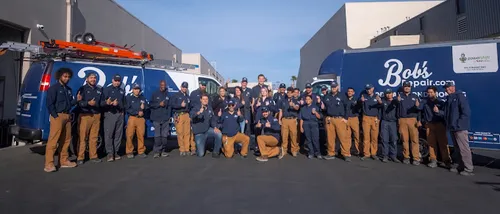
Bob's Repair AC, Heating and Solar Experts Las Vegas is an air conditioning repair and installation company based in Las Vegas, NV. They serve the entire Las Vegas Valley, providing a range of AC services including repairs and new installations. The company focuses on residential and commercial cooling systems to meet local climate needs.
Sun Country Heating & Cooling
6394 Montessouri St. suite a, Las Vegas, NV 89113
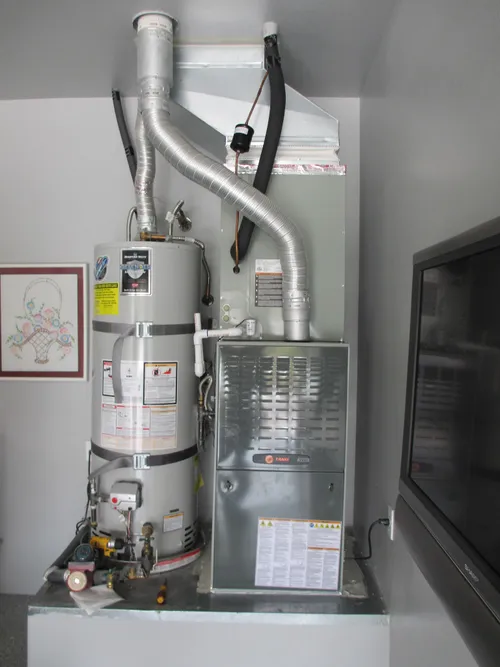
Sun Country Heating & Cooling is an HVAC company based in Las Vegas, NV, offering a full range of heating and cooling services. Their expertise includes air conditioning repair, furnace installation and repair, mini-split installation, and HVAC tune-ups. As a Trane Comfort Specialist, they install and maintain systems from a leading manufacturer, ensuring efficient and reliable home comfort. The company provides 24/7 emergency repair services to address urgent HVAC issues promptly.
Black Mountain Air
660 Middlegate Rd, Henderson, NV 89011
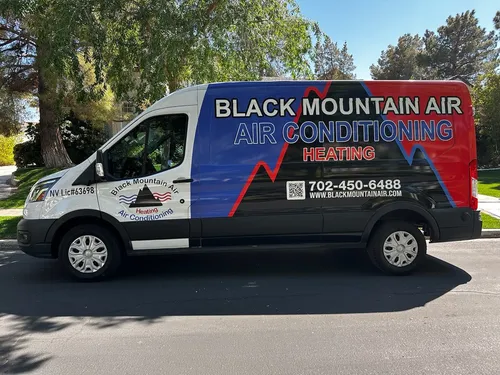
Black Mountain Air is a family-owned HVAC company serving residential and commercial clients in Las Vegas, NV. They offer a wide range of heating and cooling services including air conditioner and furnace repair, installation, maintenance, and ductless mini-split system installation. Their technicians are licensed, insured, and trained to handle various HVAC brands and models. With over 10 years of experience, Black Mountain Air provides service throughout the Las Vegas Valley and surrounding areas, focusing on transparent pricing and customer education.
Hot Cold Air Inc.
5818 Spring Mountain Rd # 204, Las Vegas, NV 89146
Hot Cold Air Inc. is an HVAC service provider based in Las Vegas, NV, offering air conditioning repair, installation, thermostat installation, and system maintenance. Serving the Las Vegas area, they specialize in fast AC repairs, professional HVAC installations, and energy-efficient system upgrades. Established in 2009, the company has over 15 years of experience and provides 24/7 emergency air conditioning services to help customers stay comfortable year-round.
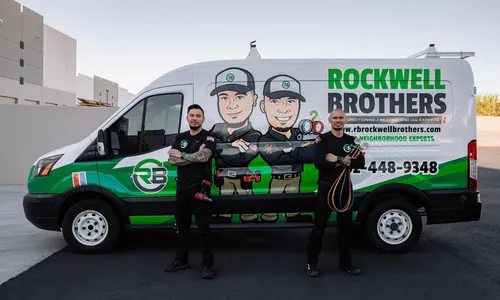
RB Rockwell Brothers Air Conditioning / Heating and IAQ Experts
3325 W Ali Baba Ln #609, Las Vegas, NV 89118
RB Rockwell Brothers Air Conditioning / Heating and IAQ Experts serves homeowners in Las Vegas, NV, with a range of HVAC services. They provide AC repair, installation, furnace repair, and seasonal maintenance. Their services also include duct cleaning, sealing, and filtration upgrades to improve indoor air quality by reducing dust and allergens. The company offers expert advice on HVAC maintenance and indoor air quality to help customers make informed decisions about their home comfort.
Understanding Nevada's AC Systems
Nevada's climate demands specific types of air conditioning equipment, both in homes and businesses. Knowing what you have is the first step in understanding potential repair needs.
Residential Systems:
- Central Air Conditioning (Split Systems): The most common setup, featuring an outdoor condenser unit and an indoor air handler or furnace coil. These systems use ductwork to distribute cool air throughout the home and are built to handle significant cooling loads.
- Ductless Mini-Split Systems: Gaining popularity, especially for room additions, garages, and homes without existing ducts. These systems have an outdoor compressor connected to one or more indoor air handlers, offering zoned cooling and high efficiency 1.
Commercial Systems:
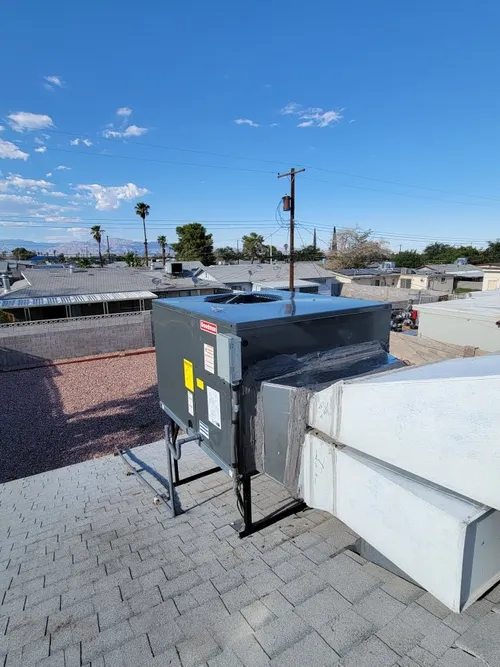
- Rooftop Units (RTUs): Prevalent for businesses, schools, and larger buildings. These packaged systems house all components on the roof, saving interior space and are designed for heavy, continuous use 2.
- Variable Refrigerant Flow (VRF/VRV) Systems: Advanced, efficient systems often found in larger commercial properties, providing simultaneous heating and cooling to different zones.
- Chilled Water Systems: Used in very large commercial or industrial settings, utilizing chilled water circulated through coils to cool air.
Why Nevada's Climate is Tough on AC Units
The extreme environment in Nevada creates unique challenges that accelerate wear and tear on air conditioning components.
- Extreme and Prolonged Heat: Summer temperatures regularly exceed 100°F, forcing AC systems to run near-continuously for months. This constant, high-stress operation leads to premature failure of motors, compressors, and electrical components.
- Dust and Debris: Arid conditions and occasional high winds blow dust, sand, and fine particulate matter into outdoor condenser coils. This buildup acts as insulation, causing the system to overheat, lose efficiency, and work harder than designed.
- High Energy Demands: The sheer cooling load required to maintain indoor comfort places exceptional demands on system capacity. Older or undersized units are particularly prone to breakdowns under this strain.
Common AC Problems in Nevada
The stressors above lead to a predictable set of frequent air conditioner failures. Recognizing the symptoms can help you describe issues more accurately to a technician.
- Electrical Component Failures: The most common repairs often involve small electrical parts that fail under heat and cycling stress.
- Failed Capacitors: These components help start the compressor and fan motors. A bad capacitor often results in a humming sound without the unit starting, or the system shutting off intermittently.
- Faulty Contactors: These are heavy-duty relays that send power to the compressor and fan. Pitted or welded contactors can cause the unit not to turn on or to run continuously.
- Blown Fuses or Tripped Breakers: Often a symptom of an underlying electrical problem like a short or ground fault.
- Airflow Restrictions: Reduced airflow causes inefficiency and freezing.
- Dirty Air Filters: A clogged filter is the simplest and most preventable cause of poor cooling and high energy bills.
- Clogged Condenser or Evaporator Coils: Dirty coils cannot transfer heat effectively, causing pressure issues and potential compressor damage.
- Failing Blower Motor: The indoor fan motor that circulates air can wear out, leading to weak airflow or no air from vents.
- Leaking or Poorly Insulated Ductwork: In central systems, leaks in attic or crawlspace ducts can waste over 30% of your cooled air.
- Refrigerant Issues: Refrigerant is the lifeblood of your cooling system.
- Leaks: Pinhole leaks can develop in coils or lines over time. A system low on refrigerant will struggle to cool and may ice up. It is illegal to simply "top off" a leaking system; the leak must be found and repaired 3.
- Incorrect Charge: Both undercharging and overcharging can severely damage compressor efficiency and lifespan.
- Compressor Failure: The compressor is the heart of the AC system, circulating refrigerant. Its failure is the most costly repair and often indicates a system nearing the end of its service life. Failure can be caused by electrical issues, refrigerant problems, or long-term wear 4.
Find the perfect ac repair contractors for your needs
Get personalized recommendations and expert advice
Breakdown of AC Repair Costs in Nevada
Repair costs vary based on the part, labor, and system type. The figures below are typical ranges for the Nevada market, though your final cost will depend on the specific diagnosis 5 6 7.
-
Service Call/Diagnostic Fee: $75 - $180. This fee covers the technician's time to diagnose the problem and is usually applied toward the cost of the repair if you proceed.
-
Common Electrical & Minor Repairs:
- Capacitor or Contactor Replacement: $90 - $400. A very common repair to get a non-starting system running again.
- Fan Motor Replacement (Condenser or Blower): $100 - $300+. Motors can fail due to heat and bearing wear.
- Thermostat Replacement: $60 - $250. Includes basic programmable models.
-
Mechanical & Refrigerant Repairs:
- Refrigerant Leak Repair & Recharge: $225 - $1,600. The wide range depends on the time needed to locate the leak (which can be extensive) and the cost of refrigerant. Simple leak sealing and recharge are on the lower end; replacing a leaking coil is on the higher end.
- Compressor Repair/Replacement: $1,350 - $1,800+ for the part alone, with total replacement costs often ranging from $2,000 to $3,000+ when including labor, refrigerant, and other necessary components. Repair (like a hard start kit) may be possible for $400 - $1,200 in some cases 8.
-
Major Component Replacement:
- Evaporator Coil Replacement: $650 - $1,200+. Often required when a leak is detected in the indoor coil.
- Full Condenser or Evaporator Coil Replacement: $1,000 - $3,000+. A major repair that approaches the cost of a new system for older units.
The Critical Decision: Repair or Replace Your AC?
Facing a major repair, especially on an older system, requires a strategic decision. A useful guideline is the "$5,000 Rule"9.
How it works: Multiply the age of your air conditioner (in years) by the total estimated repair cost. If the product is greater than $5,000, replacement is often the more economical long-term choice. If it's less than $5,000, repair is likely justified.
Example: A 12-year-old unit needs a $1,200 compressor repair.
- 12 (years) x $1,200 (repair cost) = $14,400.
- Since $14,400 > $5,000, replacing the entire system is generally recommended.
Other factors favoring replacement:
- Your system is over 10-15 years old.
- Energy efficiency is poor (high monthly bills).
- You are repairing the same component repeatedly.
- Replacement parts are difficult to find.
- You have comfort issues like humidity or hot spots.
Maintaining Your AC for Nevada Summers
Preventative maintenance is the best way to avoid costly mid-summer breakdowns.
- Change Air Filters Monthly: During peak cooling season, check and replace 1-inch filters every 30 days. Pleated filters may last 90 days.
- Keep the Condenser Unit Clear: Ensure at least 2 feet of clearance around the outdoor unit. Regularly remove leaves, weeds, and debris from the fins.
- Schedule Professional Tune-Ups Annually: A pre-summer inspection should include cleaning coils, checking refrigerant levels, tightening electrical connections, calibrating the thermostat, and lubricating moving parts. This can improve efficiency by up to 15% and catch small problems before they become big repairs 10.
- Ensure Proper Drainage: Check that the condensate drain line is clear to prevent water damage and humidity issues.
Frequently asked questions
Sources
Footnotes
-
Upgrade Your Garage in Henderson with Ductless Mini-Split AC Installation - https://nrs.vegas/henderson/blog/air-conditioners/upgrade-your-garage-with-ductless-mini-split-ac-installation ↩
-
Air Conditioning Services Paramus, NJ | AC Repair by Licensed Contractors - https://hvacams.co/air-conditioning ↩
-
Common Air Conditioner Problems | Department of Energy - https://www.energy.gov/energysaver/common-air-conditioner-problems ↩
-
Most Common Reasons for HVAC Service Calls - Power Pro Plumbing - https://www.powerproplumbing.com/blog/most-common-reasons-for-hvac-service-calls ↩
-
How Much Do Common AC Repairs Cost in Las Vegas? - https://nrs.vegas/blog/hvac-repair/how-much-do-common-ac-repairs-cost-in ↩
-
AC Repair Cost In Las Vegas: 2025 Pricing Insights - https://airpromaster.com/ac-repair/cost-in-las-vegas-2025/ ↩
-
AC Repair Las Vegas - https://nrs.vegas/hvac-services/cooling/ac-repair ↩
-
The Most Expensive Part to Replace on an AC Unit in Owasso - https://quality-hc.com/blog/most-expensive-part-to-replace-on-ac-unit/ ↩
-
The $5,000 HVAC Rule | Repair or Replace Your HVAC? - https://www.myqualitycomfort.com/tips-tricks/5000-rule-hvac/ ↩
-
HVAC Repair Guide: Common Issues, Costs & Expert Solutions - https://www.bryant.com/en/us/products/hvac-repair/ ↩