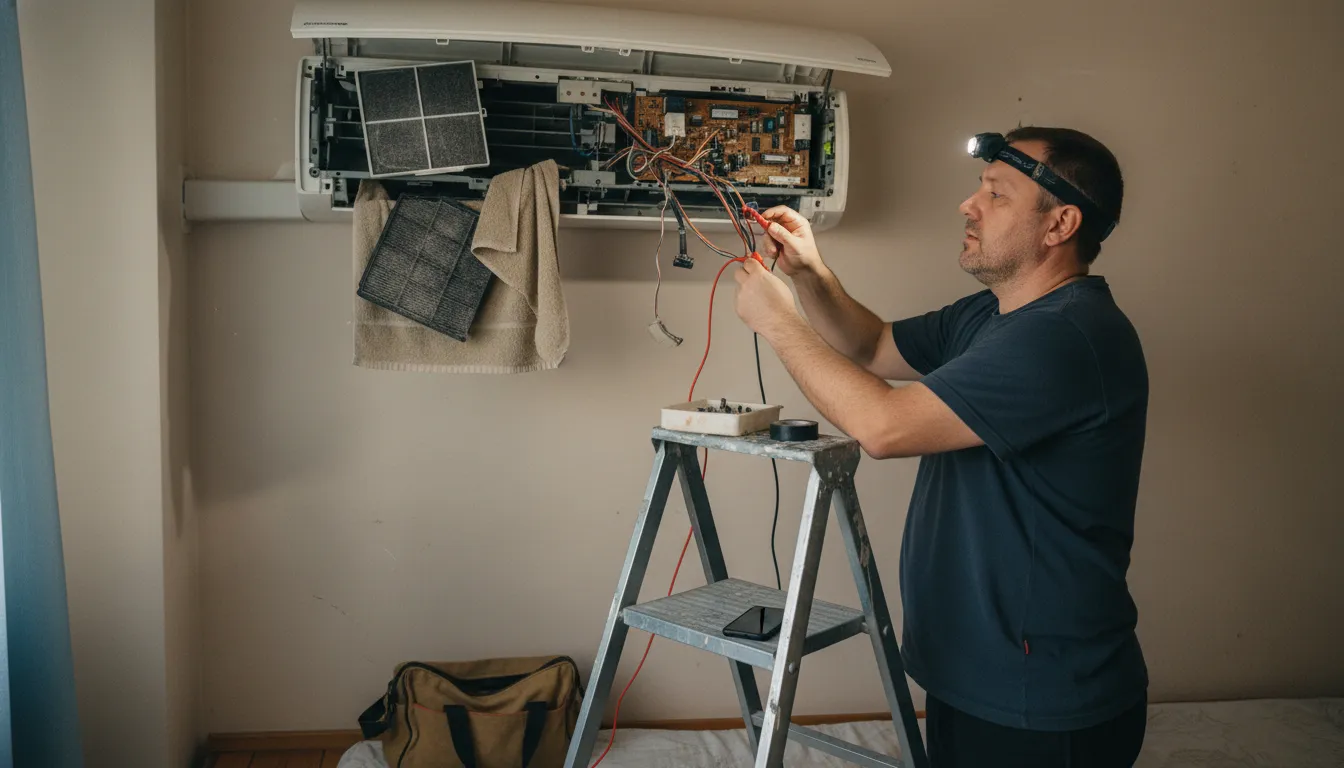
Find the Best AC Repair Contractors for Your Business
No obligation • Fast responses • Nationwide coverage

Why you can trust HVAC Firms
HVAC Firms is a leading United States resource for evaluating HVAC service providers. Our team researches companies, checks credentials, and reviews customer feedback to present clear, unbiased information. Listings and rankings are based on merit, and companies cannot pay to change our editorial content.
Search providers near you
Top AC Repair Contractors in Troy, Michigan Ranked
When your air conditioner stops working on a hot Michigan summer day, finding reliable and fast cooling repair is essential. Air conditioning service ensures your home stays comfortable and safe from the heat. This guide is designed to help Troy residents understand common AC problems, what to expect during a repair visit, and how to connect with skilled local technicians who can diagnose and fix your system efficiently.
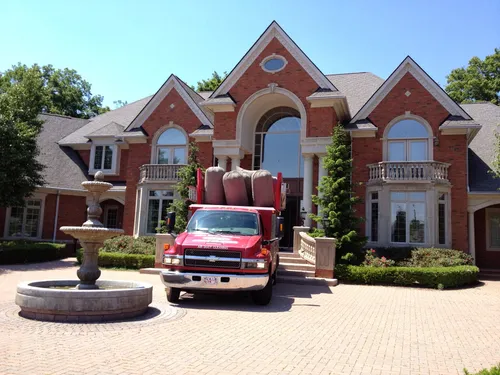
USA Pro-Vac
1700 Barrett St, Troy, MI 48084
USA Pro-Vac is an air duct cleaning and HVAC repair company based near Detroit, MI. They provide air duct cleaning, furnace repair, and indoor air quality services for both residential and commercial customers. The company is certified by multiple industry organizations including NADCA and NATE, and has been in business for over 20 years. USA Pro-Vac serves a broad area around Detroit, including Troy, Oakland, Macomb, Wayne, and several other Michigan counties and cities.
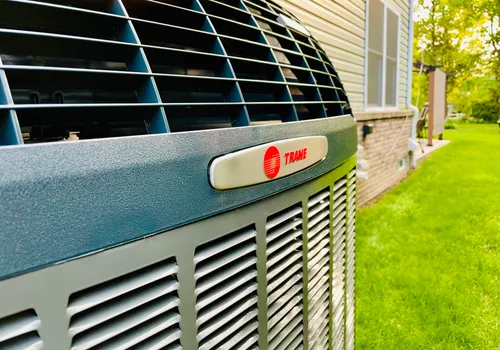
Airman Heat & Air LLC
5129 8 Mile Rd, Warren, MI 48091
Airman Heat & Air LLC is a family-owned HVAC company serving Detroit, MI. They provide residential and commercial heating and cooling services, including installation and repair of air conditioners, furnaces, and heat pumps. The company uses factory-authorized brand name equipment and offers a labor warranty alongside the manufacturer's warranty. Established in 2001, Airman Heat & Air LLC emphasizes professionalism and a personalized approach to customer service.
Warm or Breezy Heating & Cooling
220 S Main St #430, Royal Oak, MI 48067
Warm or Breezy Heating & Cooling is an HVAC contractor based in Detroit, MI, providing heating and cooling services including repair, installation, and maintenance. They serve residential and commercial customers with furnace, boiler, air conditioning, and mini split system services. Their technicians offer energy efficiency diagnostics and city safety inspections, along with installation of Wi-Fi thermostats and tankless water heaters. With over 20 years of experience in heater repair, Warm or Breezy emphasizes fair pricing and uses durable American-made replacement parts. The company operates seven days a week to support customers throughout the heating season.
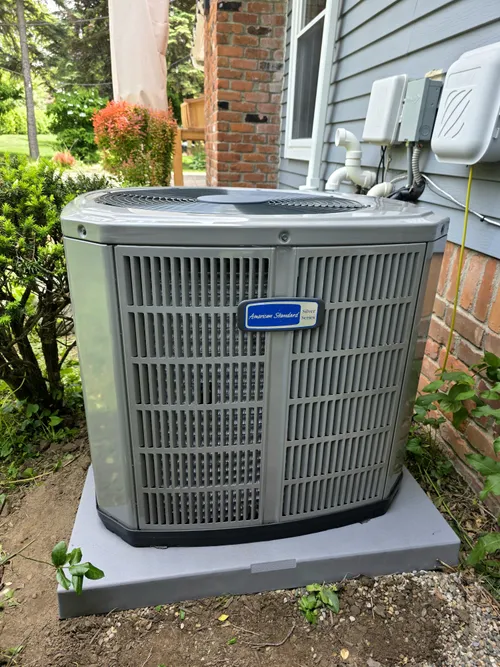
Ultra Climate Control Heating & Cooling
2820 W Maple Rd SUITE #223, Troy, MI 48084
Ultra Climate Control Heating & Cooling is an HVAC company based in Detroit, MI, specializing in air conditioning and furnace repair services. They serve the local area with a focus on reliable diagnosis and repair, addressing both current issues and potential future problems. The company is known for honest assessments and reasonable pricing, with a commitment to thorough service without overselling.
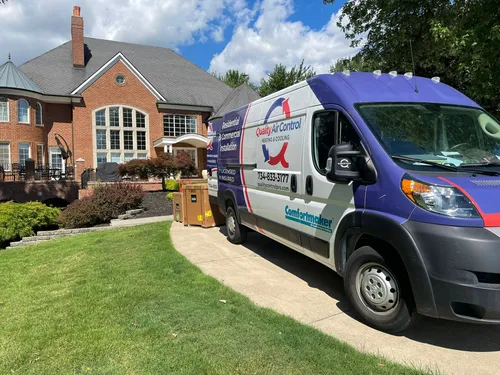
Quality Air Control Heating & Cooling
18421 Valleyview St, Riverview, MI 48193
Quality Air Control Heating & Cooling is an HVAC company based in Detroit, MI, serving Downriver, Wayne County, and nearby areas. They offer a full range of heating and cooling services including AC repair and installation, furnace repair and installation, heat pump repair, mini split installation, duct cleaning, and indoor air quality solutions. With over 20 years of experience, the company handles both residential and commercial projects and is licensed, insured, and EPA certified.
Common Air Conditioning Problems in Troy Homes
Air conditioners are complex machines, and several components can fail, especially during periods of heavy use. Understanding the typical issues can help you communicate more effectively with a technician.
- Refrigerant Leaks: The refrigerant is the lifeblood of your cooling system. Leaks are a frequent culprit, especially in older units, and lead to warm air blowing from your vents and poor overall cooling performance.
- Dirty Air Filters and Coils: A clogged air filter or dirty evaporator coil restricts airflow. This forces your system to work much harder, reducing efficiency, increasing energy bills, and potentially causing the coil to freeze over.
- Capacitor or Contactor Failure: These electrical components are like the starters for your AC's motors. A failed capacitor can prevent the compressor or fan from starting, often resulting in a humming sound without the unit turning on.
- Frozen Evaporator Coil: This is usually a symptom, not a cause. A frozen coil typically indicates an underlying issue like low refrigerant, a dirty filter, or a failing blower motor that restricts airflow.
- Compressor or Fan Motor Issues: The compressor is the heart of the system, and the fan motor circulates air. Failure in either of these major components often means the unit stops cooling entirely and may require significant repair.
- Thermostat or Electrical Faults: Sometimes the problem is simpler. A malfunctioning thermostat, tripped circuit breaker, or loose wiring can disrupt the entire system, though these are generally easier and less costly to fix 1 2.
A Step-by-Step Troubleshooting Guide
Before you call for professional air conditioning repair, there are a few safe checks you can perform. This can sometimes resolve simple issues or provide valuable information to your technician.
- Verify Power: Check your home's main electrical panel for a tripped breaker or blown fuse related to the AC. Also, ensure the disconnect switch (a small box) near your outdoor condenser unit is in the "on" position.
- Check the Thermostat: This may seem obvious, but ensure it's set to "Cool" and a temperature lower than the current room reading. Replace old batteries if it's a battery-operated model.
- Inspect Airflow: Locate your system's air filter (usually in the return air duct or the furnace) and check if it's dirty. A severely clogged filter is a common cause of poor cooling. Also, make sure all supply and return vents in your home are open and unblocked by furniture.
- Examine the Coils: Visually check the outdoor condenser coil for excessive dirt, leaves, or debris. Look at the indoor evaporator coil (if accessible) for signs of ice buildup. If you see ice, turn the system off and call a professional.
- Listen and Observe: Turn the system on and listen for unusual sounds like grinding, squealing, or persistent humming from the outdoor unit. Note any specific error codes on a digital thermostat.
Important Note: Do not attempt to check electrical components like the capacitor or refrigerant levels yourself. This requires specialized tools and training and can be dangerous. These steps are for basic diagnostics only.
What to Expect During a Professional AC Service Call
When you contact a local Troy HVAC company for cooling system repair, here's a typical process:
Initial Response: For emergency no-cool situations, especially during a heatwave, many local companies strive for fast contact, often within minutes to a few hours, to schedule a diagnostic visit.
Diagnosis: The technician will perform a comprehensive check. This includes testing electrical components (capacitors, contactors, wiring), measuring refrigerant pressure and checking for leaks, inspecting motors and the compressor, and evaluating overall system airflow and performance 3.
Repair Scope: Repairs generally fall into three categories:
- Simple: Tasks like changing a filter, resetting a safety switch, or clearing a clogged condensate drain line 4 5.
- Moderate: Replacing a failed capacitor or contactor, repairing minor electrical connections, or fixing a faulty thermostat 6.
- Complex: Sealing a refrigerant leak and recharging the system, replacing a compressor or fan motor, or addressing major ductwork issues 7.
Time and Cost: Repair times can range from 1-2 hours for minor fixes to several hours or even multiple days for major component replacements. Costs in Troy vary widely but often follow a pattern: basic repairs (e.g., capacitor) may be in the hundreds of dollars, while major repairs like a compressor replacement can reach into the thousands. Most companies charge a standard diagnostic or service fee (typically ranging from $80 to $450), which is often applied toward the cost of the repair if you proceed with their services 8 9 10.
Find the perfect ac repair contractors for your needs
Get personalized recommendations and expert advice
Understanding Repair Costs and Service Fees
The cost of air conditioner repair in Troy depends heavily on the specific problem, the parts required, and the time needed for labor. It's always wise to get a detailed, written estimate before authorizing any major work.
- Diagnostic Fees: A professional diagnosis is the critical first step. This fee covers the technician's time and expertise to pinpoint the exact issue. As noted, this fee often ranges from $80 to $450 in the market and is standard practice 11 12. Some companies may waive this fee if you choose to proceed with the recommended repair.
- Parts and Labor: The bulk of the repair cost comes from parts and labor. Common parts like capacitors or contactors are less expensive, while major components like compressors or fan motors are costlier. Labor rates vary by company and the complexity of the job.
- Emergency/After-Hours Service: If you require service outside of normal business hours, on weekends, or holidays, expect a premium rate or an additional emergency service charge 13.
- Getting Quotes: Reputable local providers like those serving the Troy area encourage homeowners to call for a specific quote. Describing your symptoms (e.g., "no cooling," "unit is humming but not starting," "ice on the copper lines") can help them provide a more accurate initial estimate over the phone.
Maintaining Your System to Avoid Future Repairs
The best cooling system repair is the one you never need. Proactive maintenance is key to extending the life of your AC and improving its efficiency.
- Change Air Filters Regularly: This is the single most important thing you can do. Check filters monthly and change them at least every 1-3 months during peak cooling season.
- Keep the Area Clear: Ensure at least two feet of clear space around your outdoor condenser unit. Regularly remove leaves, grass clippings, and other debris.
- Schedule Annual Tune-Ups: Have a professional technician perform a pre-season maintenance check each spring. This typically includes cleaning coils, checking refrigerant levels, tightening electrical connections, and lubricating moving parts to catch small problems before they become big, expensive repairs.
- Invest in a Programmable Thermostat: Properly using a programmable or smart thermostat can reduce system cycling and wear, leading to fewer breakdowns and lower energy costs.
Frequently asked questions
Sources
Footnotes
-
Troubleshooting Electrical Issues in Your Home HVAC System - https://www.southern-air.com/blog/troubleshoot-electrical-issues-in-home-hvac ↩
-
Common Air Conditioner Problems | Department of Energy - https://www.energy.gov/energysaver/common-air-conditioner-problems ↩
-
Air Conditioner Troubleshooting: First Steps for Techs - IHACI - https://www.ihaci.org/blog/what-should-a-technician-check-first-if-an-air-conditioner-does-not-work ↩
-
HVAC Troubleshooting Guide: Step-by-Step Solutions Made Easy - https://projecthvac.com/2026/01/07/hvac-troubleshooting-guide-step-by-step/ ↩
-
Common AC Problems & DIY Troubleshooting Tips for a Cooler ... - https://www.haier.com/in/blogs/common-ac-problems-and-troubleshooting-tips-diy-fixes-for-a-cool-home.shtml ↩
-
Troubleshooting Common Split System AC Problems - Style Crest - https://stylecrestinc.com/blog/troubleshooting-common-split-system-ac-problems/ ↩
-
Common HVAC Troubleshooting Scenarios: A Technician's Guide - https://www.servicetitan.com/blog/hvac-troubleshooting-scenarios ↩
-
15 Air Conditioner Problems Homeowners Face & Their Solutions - https://cielowigle.com/blog/air-conditioner-problems/ ↩
-
AC Repair Services in Troy, MI - Comfort Plus - https://comfortpluslc.com/our-services/air-conditioning-repair-service/ ↩
-
AC Repair in Troy & Southeast Michigan - Hoover Electric - https://www.callhoover.com/hvac/air-conditioning/ac-repair/ ↩
-
Top 10 Best Heating & Air Conditioning/HVAC Near Troy ... - https://m.yelp.com/search?cflt=hvac&find_loc=Troy%2C+MI ↩
-
2026 HVAC Repairs Cost: A Comprehensive Price Guide | Angi - https://www.angi.com/articles/how-much-hvac-repair-cost.htm ↩
-
How quickly should you expect a response from an emergency AC ... - https://www.trueblueac.com/blog/how-quickly-should-you-expect-a-response-from-an-emergency-ac-repair-service/ ↩