Find the Best AC Repair Contractors for Your Business
No obligation • Fast responses • Nationwide coverage

Why you can trust HVAC Firms
HVAC Firms is a leading United States resource for evaluating HVAC service providers. Our team researches companies, checks credentials, and reviews customer feedback to present clear, unbiased information. Listings and rankings are based on merit, and companies cannot pay to change our editorial content.
Search providers near you
Best AC Repair Contractors in Hawaii Ranked
Living in Hawaii means enjoying a tropical climate, but that paradise comes with a constant need for reliable cooling. Your air conditioning system works hard year-round to combat heat and humidity, making it prone to wear and tear. When your AC breaks down, finding a trusted, local professional who understands the unique demands of island systems is essential. This guide provides clear, practical information about air conditioning repair in Hawaii, helping you understand common issues, costs, and how to find qualified service for your home or business.
Standard Air, LLC
Honolulu, HI
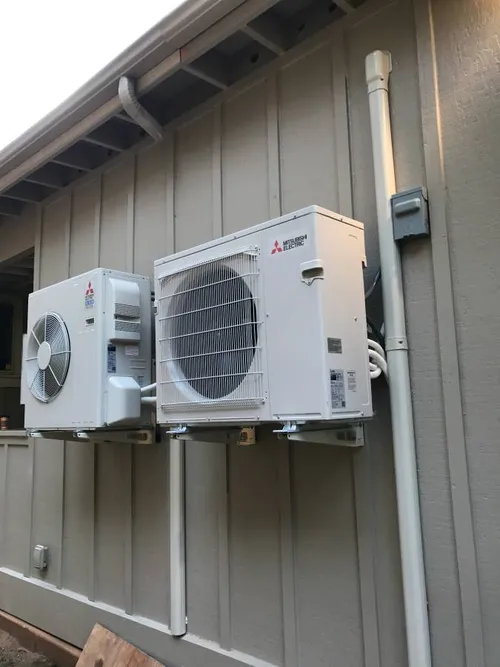
Standard Air, LLC is an HVAC company serving Honolulu, HI, and surrounding areas including Kailua, Kaneohe, Waialae-Kahala, and Hawaii Kai. Since 2018, they have provided services such as air conditioning installation, repair, maintenance, duct cleaning, and indoor air quality improvement. They specialize in Mitsubishi HVAC systems and use a detailed ten-point quality inspection to ensure system efficiency and longevity. The company focuses on addressing Oahu's unique climate challenges, including humidity and air quality issues, to help clients maintain comfortable and healthy indoor environments.
Kung Fu Air Service
Honolulu, HI
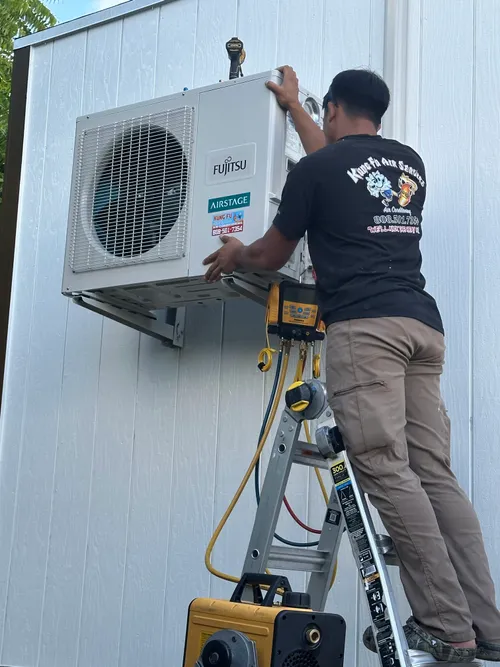
Kung Fu Air Service is an air conditioning repair company based in Honolulu, HI. They provide AC repair services with a focus on ensuring customer satisfaction and effective cooling solutions. The company is fully licensed, offering professional service to address various air conditioning needs in the Honolulu area.
Steve’s Plumbing & A/C Service
96-1225 Waihona St a, Pearl City, HI 96782
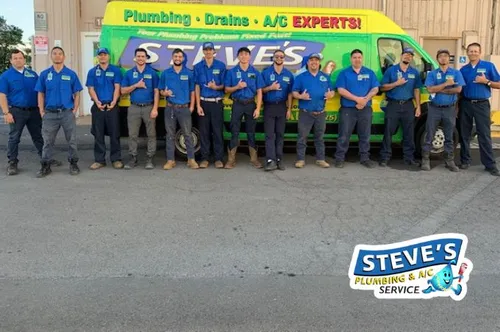
Steve's Plumbing & A/C Service is a locally operated company serving Honolulu, HI, and surrounding areas including Maui. They provide plumbing and air conditioning repair services with a focus on community support and customer satisfaction. The company offers 24/7 emergency service and is known for combining plumbing and cooling services in one package. Steve's Plumbing & A/C Service has a strong local presence and commitment, demonstrated by donations to the Hawai'i Food Bank and long-term customer relationships.

Air Source Air Conditioning
2007 Republican St, Honolulu, HI 96819
Air Source Air Conditioning is a licensed AC contractor serving Honolulu, HI, since 2002. The company offers a full range of air conditioning services including installation, repair, maintenance, and replacement, with a specialization in mini-split system installations. As a Mitsubishi Elite Diamond Contractor, they bring expert knowledge to their projects and provide manufacturer warranties for added assurance. Their services also include HVAC zoning to improve comfort and energy efficiency. Air Source Air Conditioning is a locally owned, family- and woman-owned business with over 20 years of experience in the industry.
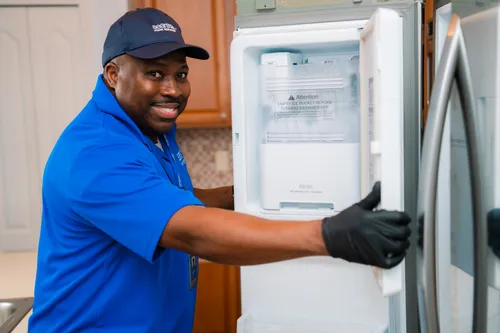
Sears Appliance Repair
46-056 Kamehameha Hwy, Kaneohe, HI 96744
Sears Appliance Repair provides appliance and HVAC repair services in Honolulu, HI, and the surrounding areas. Their certified technicians handle repairs for refrigerators, washers, dryers, ovens, dishwashers, and HVAC systems including central air conditioners, heat pumps, and furnaces. With over 15 years of experience in the Kaneohe community, Sears Appliance Repair offers local expertise and flexible scheduling options to keep home appliances and HVAC systems running smoothly.
Understanding Hawaii's Unique AC Challenges
Air conditioning in Hawaii isn't a luxury; it's a necessity for comfort and indoor air quality. The local environment presents specific challenges that directly impact your cooling system's performance and longevity.
- High Humidity: Hawaii's humidity doesn't just make you feel sticky-it forces your AC unit to work overtime on dehumidification. This extra strain can lead to more frequent breakdowns and promotes mold and mildew growth within the system if not properly maintained.
- Constant Use: Unlike in temperate climates where ACs get a seasonal break, Hawaiian systems often run daily throughout the year. This non-stop operation accelerates wear on components like compressors, fan motors, and electrical parts 1.
- Salt Air Corrosion: For homes and businesses near the coast, salt in the air can be a silent killer for the outdoor condenser unit. It causes corrosion on coils and metal components, potentially leading to refrigerant leaks and reduced efficiency unless specific, protective maintenance is performed.
Common Types of AC Systems in Hawaii
Knowing what kind of system you have helps in communicating with a technician and understanding repair needs. The main types found in Hawaiian homes and businesses are:
Ductless Mini-Split Systems Extremely popular in Hawaii, these systems consist of an outdoor compressor/condenser and one or more indoor air handlers mounted on walls or ceilings. They are ideal for targeted cooling in specific rooms, homes without existing ductwork, or additions. They are known for high energy efficiency but can have a higher initial purchase cost 2.
Central Air Conditioning Systems Common in larger homes, newer constructions, and many commercial buildings, central AC uses a network of ducts to deliver cool air throughout the entire space. The system includes a large outdoor unit and an indoor air handler. While effective for whole-building comfort, ductwork requires sealing and cleaning to maintain efficiency.
Window Units A lower-cost option for cooling individual rooms or small apartments. While affordable and easy to install, they are generally less efficient for cooling larger areas and are more susceptible to damage from Hawaii's humidity and salt air if not properly maintained.
Most Frequent AC Repair Issues in Hawaii
The combination of climate and constant use leads to a predictable set of problems. Here are the most common reasons for air conditioning service calls on the islands:
- Refrigerant Leaks: Refrigerant is the lifeblood of your AC. Leaks, often caused by corrosion or vibration over time, lead to poor cooling, ice buildup on coils, and higher energy bills. Fixing a leak is not a simple "recharge"; it requires a professional to find the source, repair it, and then refill the system to the precise manufacturer specification.
- Airflow Problems: Restricted airflow reduces cooling capacity and strains the system. This can be caused by clogged air filters (a simple fix), blocked return or supply vents, failing blower fans, or issues within the ductwork itself.
- Dirty Evaporator or Condenser Coils: Over time, coils get coated with dirt, pollen, and salt residue. Dirty coils can't absorb or release heat effectively, causing the system to run longer and work harder, which drives up energy costs and can lead to compressor failure 3.
- Thermostat Malfunctions: If your thermostat is giving inaccurate readings, losing its programming, or failing to communicate with the AC unit, your home won't reach the desired comfort level. This can sometimes be a wiring issue or may require thermostat replacement 4.
- Compressor or Fan Motor Failure: The compressor is the heart of the AC, and the condenser fan motor is critical for expelling heat. Failure of either is a major repair. These components are expensive, and their failure is often the result of prolonged strain from lack of maintenance or pre-existing issues like low refrigerant.
Find the perfect ac repair contractors for your needs
Get personalized recommendations and expert advice
What to Expect: AC Repair and Maintenance Costs in Hawaii
Repair costs vary widely based on the system type, the specific part needed, and the labor involved. Here's a general overview based on common industry rates and the unique factors in Hawaii:
- Standard Service Call/Diagnostic Fee: Most companies charge a fee to come to your location, diagnose the problem, and provide a repair estimate. This typically ranges from $80 to $150.
- Common Residential Repairs:
- Capacitor or Contactor Replacement: These electrical components help start the motors. Replacement usually costs between $200 and $600 including parts and labor.
- Refrigerant Recharge (after leak repair): The cost depends on the type and amount of refrigerant needed. Expect to pay $150 to $400 or more, with the higher end reflecting the need to repair a leak first.
- Fan Motor Replacement: Replacing an indoor blower or outdoor condenser fan motor can range from $300 to $600+ 5.
- Ductless Mini-Split Service: A routine tune-up for a mini-split may cost $100 to $300. More significant repairs, like replacing a circuit board or compressor, can range from $500 to over $2,000 6.
- Commercial AC Maintenance & Repair: Commercial systems are larger and more complex. Annual preventative maintenance contracts can range from $500 to $2,000+ depending on the system size and scope of service 7. Major commercial repairs or component replacements can easily run into the thousands of dollars.
The Critical Importance of Preventative Maintenance in Hawaii
Given the harsh operating environment, scheduling regular preventative maintenance is the single most effective way to avoid costly breakdowns, improve efficiency, and extend the life of your air conditioner 8 9.
A professional maintenance visit should include:
- Cleaning evaporator and condenser coils
- Checking and clearing drain lines to prevent algae clogs
- Inspecting electrical connections and components
- Checking refrigerant levels and for signs of leaks
- Lubricating moving parts (if applicable)
- Inspecting and cleaning blower components
- Checking thermostat calibration
For Hawaii, it's especially important that maintenance includes checks for salt corrosion and ensures the system is effectively dehumidifying your space. Experts recommend servicing your AC at least once a year, ideally before the peak of the warm season.
Choosing a Reliable AC Repair Service in Hawaii
When your AC fails, you need a competent professional quickly. Look for a service provider that:
- Is Licensed and Insured: Verify they hold a current HVAC contractor's license for the State of Hawaii and carry liability insurance.
- Has Local Experience: Choose a company familiar with the specific challenges posed by Hawaii's climate, such as dealing with salt air corrosion and humidity control.
- Offers Clear Estimates: A trustworthy technician will provide a detailed, written estimate explaining the necessary repairs and costs before starting work.
- Provides References: Ask for or look for reviews and testimonials from local customers.
- Emphasizes Maintenance: Companies that promote preventative care are often more focused on long-term system health rather than just quick fixes.
Frequently asked questions
Sources
Footnotes
-
How Long Do Air Conditioners Last In Hawaii? - Craig's Air Conditioning - https://www.craigsair.com/blog/ac-lifespan-hawaii ↩
-
What is the difference between residential, commercial and ... - https://www.blissaircon.com.au/blog/what-is-the-difference-between-residential-commercial-and-industrial-air-conditioning ↩
-
Common Air Conditioner Problems | Department of Energy - https://www.energy.gov/energysaver/common-air-conditioner-problems ↩
-
Most Common Reasons for HVAC Service Calls - Power Pro Plumbing - https://www.powerproplumbing.com/blog/most-common-reasons-for-hvac-service-calls ↩
-
AC Repair Cost Guide | Cincinnati HVAC Company - https://www.myqualitycomfort.com/general/ac-repair-cost-guide/ ↩
-
How Much Does Air Conditioning Cost In Hawaii? - https://www.craigsair.com/blog/the-cost-of-air-conditioning-in-hawaii-explained ↩
-
Average Commercial HVAC Maintenance Cost - https://evolutionmechanical.net/blog/average-commercial-hvac-maintenance-cost/ ↩
-
About Cooling Air Quality - Hawaii Energy - https://hawaiienergy.com/for-homes/about-cooling-air-quality/ ↩
-
Top Commercial AC Installation in Hawaii - https://www.alltemphi.com/commercial ↩