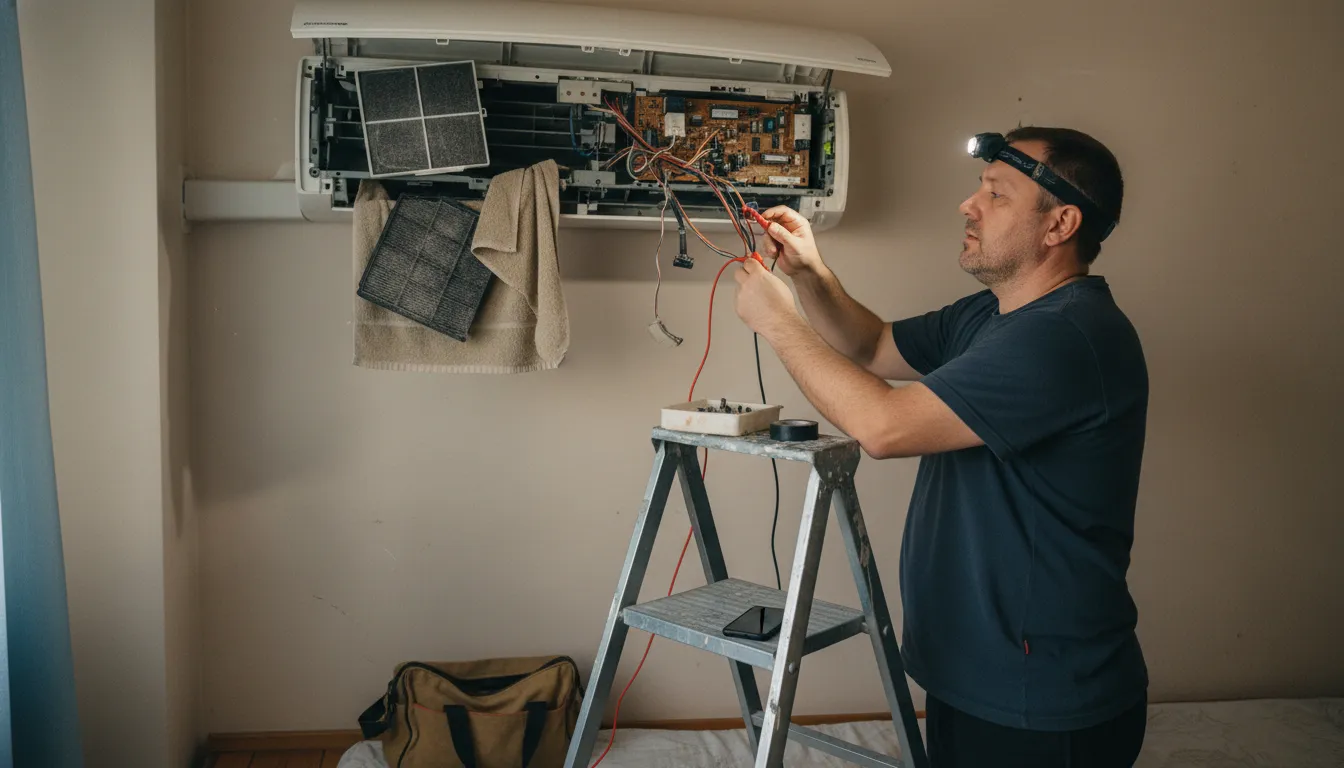
Find the Best AC Repair Contractors for Your Business
No obligation • Fast responses • Nationwide coverage

Why you can trust HVAC Firms
HVAC Firms is a leading United States resource for evaluating HVAC service providers. Our team researches companies, checks credentials, and reviews customer feedback to present clear, unbiased information. Listings and rankings are based on merit, and companies cannot pay to change our editorial content.
Search providers near you
Top AC Repair Contractors in Castle Rock, Colorado Ranked
When your air conditioner fails in Castle Rock, it's more than an inconvenience-it's a disruption to your comfort and safety in our unique high-altitude climate. Professional air conditioning repair is essential for diagnosing and fixing the complex issues that arise from our dusty, dry air and intense sunshine. This guide will help you understand common AC problems, what to expect from a service call, and how to connect with skilled local technicians who can restore your cool quickly and reliably.
Signature Heating & Air, Inc.
7201 S Rome St, Centennial, CO 80016
Signature Heating & Air, Inc. is a family-owned and operated HVAC company serving Aurora, CO, and nearby communities since 1999. They provide a range of heating and air conditioning services including installation, repair, and maintenance of AC units, furnaces, and thermostats. The company also offers indoor air quality solutions to improve home ventilation. As an authorized Amana dealer, they install reliable and energy-efficient systems known for long-term comfort. Their service area includes Centennial and surrounding Colorado communities.
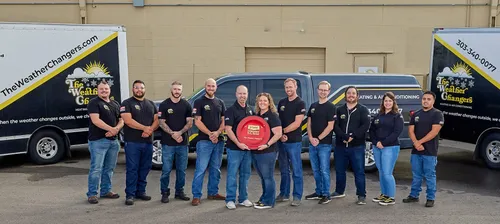
The Weather Changers Heating and Air Conditioning
10525 E 40th Ave #203, Denver, CO 80239
The Weather Changers Heating and Air Conditioning is an HVAC company based in Denver, CO, offering a full range of heating, cooling, and indoor air quality services. They provide installation, repair, and maintenance for air conditioners, furnaces, heat pumps, ductless systems, and thermostats. The company is a Bryant Factory Authorized Dealer and emphasizes proper sizing and installation to optimize system efficiency and longevity. They serve Denver and surrounding areas including Aurora, Centennial, and Parker. Their expertise includes indoor air quality solutions such as humidifier installation and duct cleaning. The Weather Changers has over 15 years of experience serving multiple properties and offers a 100% satisfaction guarantee.
Aim High HVAC
9933 Titan Park Cir, Littleton, CO 80125
Aim High HVAC is a heating and cooling service provider based in Aurora, CO. They specialize in HVAC installation and repair, including air conditioning, furnaces, heat pumps, and indoor air quality services. Serving the greater Colorado area, Aim High HVAC offers same-day repairs and supports various home comfort needs with certified technicians. Established in 2016, the company has built a reputation for integrity and commitment to customer service.
Tuscan Electric Heating & Plumbing
4301 S Federal Blvd suite 116, Sheridan, CO 80110
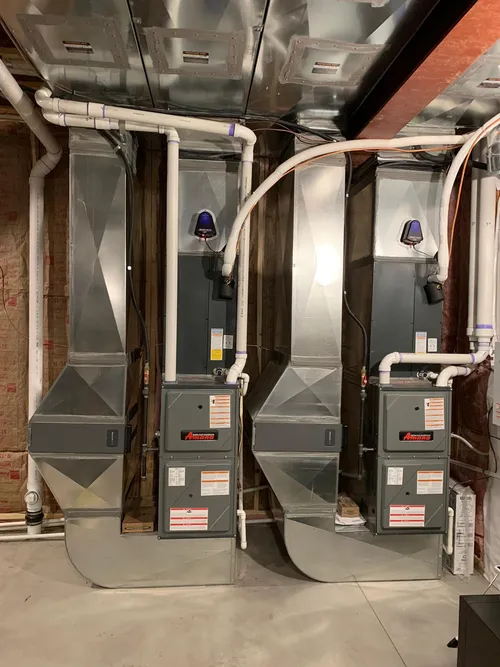
Tuscan Electric Heating & Plumbing is a multi-licensed home services provider based near Aurora, CO, offering integrated electrical, plumbing, and HVAC solutions. They serve the greater Denver metro area with services including AC and heat pump installation and repair, furnace repair, and HVAC tune-ups. Their team holds Master Electrical, Mechanical, and Plumbing licenses, allowing them to handle complex projects like heat pump installations combined with electrical panel upgrades without subcontractors. Tuscan Electric Heating & Plumbing emphasizes honest recommendations and offers emergency and same-day services to address urgent home system issues promptly.
Emporia Home Services
7901 Shaffer Pkwy STE 100, Littleton, CO 80127
Emporia Home Services is a family-owned HVAC company serving Denver, CO. They provide installation, repair, and maintenance for furnaces, air conditioners, heat pumps, and mini split systems. Their services include HVAC tune-ups and comprehensive heating and cooling solutions designed to improve indoor comfort throughout the year. The company emphasizes a customer-focused approach and offers financing options through trusted lenders. Emporia Home Services is led by experienced technicians dedicated to ensuring efficient system performance and customer satisfaction.
Understanding Castle Rock's Unique AC Challenges
Living at elevation presents specific hurdles for your cooling system. The combination of low humidity, pervasive dust, and powerful solar radiation can accelerate wear and tear on components. Systems often work harder to achieve the same cooling effect, which can lead to premature failures if not properly maintained. Recognizing these environmental factors is the first step in proactive system care and understanding why certain repairs are more common here than in other regions.
Common Air Conditioning Problems in Our Area
Technicians in Castle Rock frequently encounter a predictable set of issues. Knowing these can help you describe problems more accurately when you call for service.
Dirty Air Filters and Coils The dry, dusty climate means air filters clog much faster than in more humid areas. A clogged filter restricts airflow, forcing your system to work harder. This can lead to a cascade of other problems, including frozen evaporator coils and overheated components. Similarly, the outdoor condenser coil can become coated in dust and pollen, drastically reducing its ability to release heat.
Refrigerant Leaks and Low Charge Refrigerant is the lifeblood of your AC, and the system is designed as a sealed loop. However, the thermal stress from our hot days and cool nights, combined with vibration, can cause fittings to loosen or coils to develop micro-leaks. A system low on refrigerant will struggle to cool, run constantly, and can cause the compressor to fail-a very costly repair.
Compressor and Motor Failures The compressor is the heart of the air conditioner. The intense summer heat strains this critical component, and electrical issues or low refrigerant can cause it to overheat and fail. Blower and condenser fan motors are also susceptible to failure due to constant operation and heat exposure, often signaled by unusual noises or a complete stop.
Frozen Evaporator Coils You might notice ice building up on the indoor copper coils. This is typically a symptom, not the root cause. The two most common culprits are low refrigerant or restricted airflow from a dirty filter or blocked return vent. A technician must address the underlying issue before simply thawing the coil.
Electrical System Faults Components like capacitors (which help motors start), contactors (electrical relays), and wiring are common failure points. A failed capacitor is one of the most frequent repairs and will prevent a fan motor or compressor from starting. Tripped circuit breakers or faulty wiring can also cause a complete system shutdown.
Thermostat and Sensor Errors Sometimes the issue is with the command center. A malfunctioning thermostat or a misplaced temperature sensor can cause short cycling (frequent on/off cycles) or prevent the system from turning on at all. These are often simpler fixes but require proper diagnosis.
Condensate Drainage Problems As your AC dehumidifies the air, it produces condensation. This water drains away via a condensate line. Algae or mold can clog this line, leading to water leaks around your indoor air handler, which can cause water damage and elevated humidity indoors.
The Professional Diagnostic Process
When a certified technician arrives, they follow a systematic approach to pinpoint the problem efficiently. This process ensures nothing is missed and you get an accurate repair estimate.
- Initial Consultation and System Inspection: The tech will start by asking about the symptoms and then perform a visual inspection of the indoor and outdoor units, looking for obvious issues like ice, debris, or water leaks 1.
- Electrical System Check: Using a multimeter, they will test voltage at the disconnect, check capacitors for proper microfarad rating, inspect contactors for pitting, and ensure all electrical connections are secure 2.
- Component and Performance Testing: They will measure the amperage draw of the compressor and fan motors to ensure they are operating within specifications. A key step is checking system pressures with manifold gauges to determine if the refrigerant charge is correct, which can indicate a leak or other blockage.
- Airflow and Duct Analysis: Proper airflow is critical. The technician may measure temperature drop across the evaporator coil and check static pressure in the ductwork to identify restrictions or leaks that reduce efficiency 3.
- Leak Detection: If low refrigerant is suspected, the tech will use electronic leak detectors, ultraviolet dye, or soap bubbles to find the source of the leak before recommending a repair.
Find the perfect ac repair contractors for your needs
Get personalized recommendations and expert advice
Types of Air Conditioning Repairs and Services
The scope of work can range from a minor adjustment to a major component replacement. Here's what you might encounter:
Minor Adjustments and Cleaning: This includes replacing a dirty air filter, clearing a clogged condensate drain line, cleaning evaporator or condenser coils, resetting a tripped breaker, or recalibrating a thermostat. These are often the most cost-effective solutions.
Component Repair or Replacement: This category covers swapping out failed electrical or mechanical parts. Common examples are replacing a blown capacitor, a faulty contactor, a worn-out fan motor, or a malfunctioning thermostat. These repairs restore function without replacing the entire system.
Refrigerant Service: If a leak is found, the technician must repair it (by braising the joint or replacing a component) and then evacuate the system to remove moisture and air before recharging it with the exact amount of refrigerant specified by the manufacturer. This is a skilled, multi-step process.
Major System Repairs: The most significant and costly repairs involve the compressor or the condenser coil. Often, if the compressor fails and the system is older, a full system replacement may be recommended over an expensive repair on outdated technology.
What to Expect When You Call for Service
Response Time: For emergency no-cool situations during a heatwave, many local companies offer same-day or priority service, with technicians often able to respond within 1-4 hours 4. For non-emergency appointments, you might schedule a visit within a day or two.
Pricing and Estimates: Repair costs in Castle Rock vary widely based on the problem. You can expect a diagnostic fee, typically ranging from $75 to $200, which is usually applied toward the cost of the repair if you proceed. Technicians should provide an upfront, detailed estimate before beginning any work beyond the diagnosis.
- Diagnostic Fee: $75 - $200+
- Capacitor Replacement: $150 - $400
- Refrigerant Recharge (leak repair extra): $200 - $600+
- Fan Motor Replacement: $400 - $1,000+
- Compressor Replacement: $1,000 - $3,000+ 5 6 7 8 9
The Service Experience: A reputable technician will be courteous, explain their findings in understandable terms, provide a clear written estimate, and discuss all your options. They should also point out any potential safety issues or future concerns they observe during their inspection.
Frequently asked questions
Sources
Footnotes
-
A Guide to Diagnosing Common HVAC Failures - ISS Mechanical - https://www.issmechanical.com/4-steps-to-diagnose-sudden-ac-failures/ ↩
-
Air Conditioner Troubleshooting: First Steps for Techs - IHACI - https://www.ihaci.org/blog/what-should-a-technician-check-first-if-an-air-conditioner-does-not-work ↩
-
HVAC Troubleshooting Guide: Step-by-Step Solutions Made Easy - https://projecthvac.com/2026/01/07/hvac-troubleshooting-guide-step-by-step/ ↩
-
How quickly should you expect a response from an emergency AC ... - https://www.trueblueac.com/blog/how-quickly-should-you-expect-a-response-from-an-emergency-ac-repair-service/ ↩
-
AC Repair in Castle Rock, CO - Fast, Dependable Service - https://www.heating-ac.com/air-conditioning/ac-repair-castle-rock-co ↩
-
AC Repair in Castle Rock, CO - https://www.rockheating.com/hvac-services/air-conditioning-repair/ ↩
-
15 Air Conditioner Problems Homeowners Face & Their Solutions - https://cielowigle.com/blog/air-conditioner-problems/ ↩
-
Common HVAC Troubleshooting Scenarios: A Technician's Guide - https://www.servicetitan.com/blog/hvac-troubleshooting-scenarios ↩
-
10 Common AC Problems and How to Spot Them Early - https://www.onehourheatandair.com/ramsey/about-us/blog/2025/june/10-common-ac-problems-and-how-to-spot-them-early/ ↩