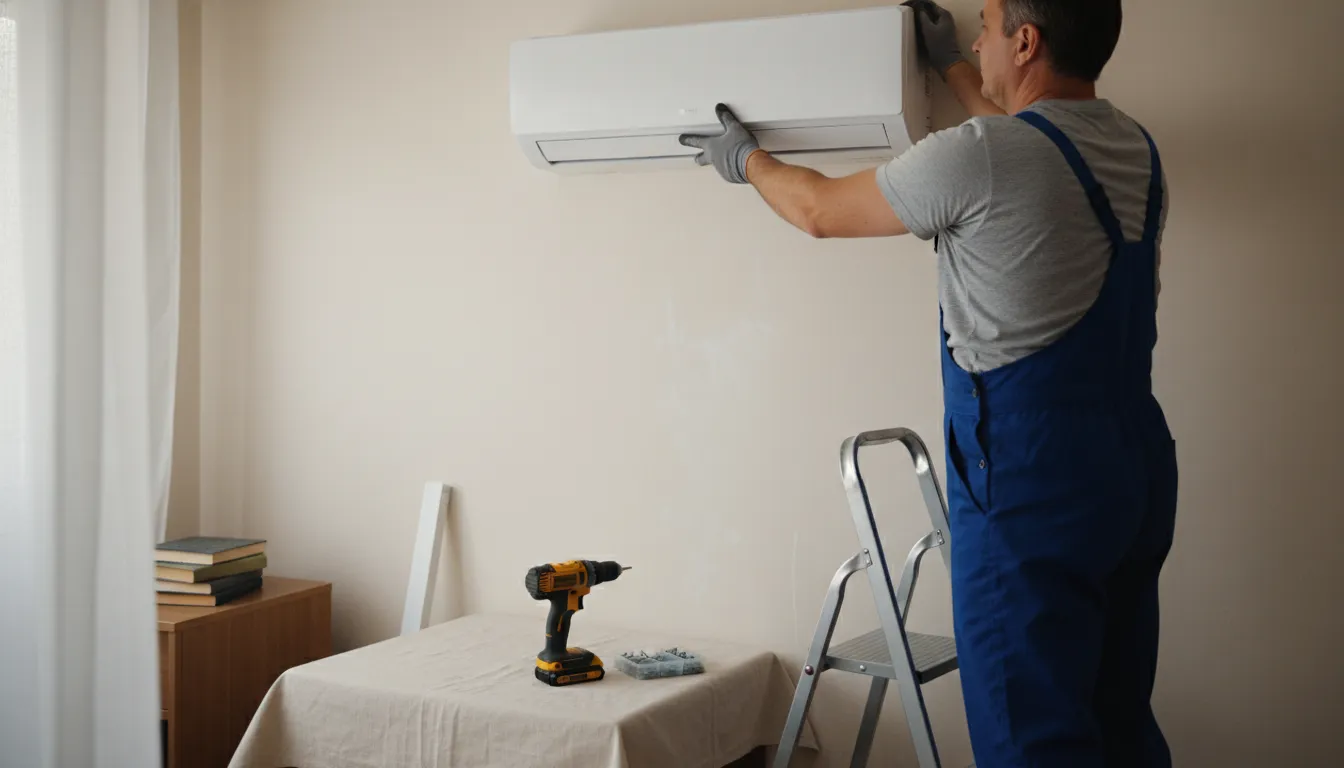
Find the Best AC Installation & Replacement Contractors for Your Business
No obligation • Fast responses • Nationwide coverage

Why you can trust HVAC Firms
HVAC Firms is a leading United States resource for evaluating HVAC service providers. Our team researches companies, checks credentials, and reviews customer feedback to present clear, unbiased information. Listings and rankings are based on merit, and companies cannot pay to change our editorial content.
Search providers near you
Best AC Installation & Replacement Contractors in Wisconsin Ranked
Installing or replacing an air conditioning system is a significant home improvement decision, especially in a state with Wisconsin's distinct climate. The right system provides reliable comfort during hot, humid summers and can even contribute to efficient heating in the winter. This guide explains the key considerations, from choosing the right type of unit to understanding the installation process and costs, helping you make an informed decision for your home.
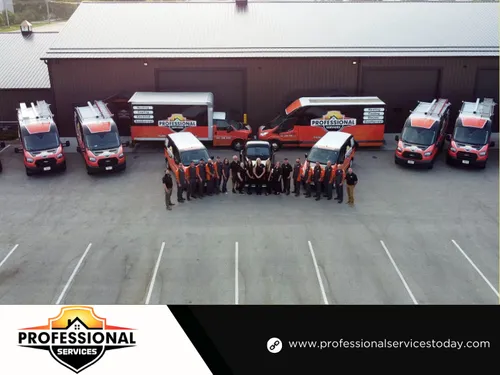
Professional Services Heating, AC & Electric Repair
113 Riverview Dr, Thiensville, WI 53092
Professional Services Heating, AC & Electric Repair is an HVAC company serving Milwaukee, WI, and the surrounding Ozaukee and Washington counties. They provide a range of heating and cooling services including furnace, heat pump, boiler, and geothermal system repair and installation. The company is equipped to handle both standard and high-efficiency furnaces, as well as ductless split systems. They emphasize practical advice and offer warranties on parts and labor. Professional Services also offers 24/7 emergency service to address urgent heating and cooling needs.
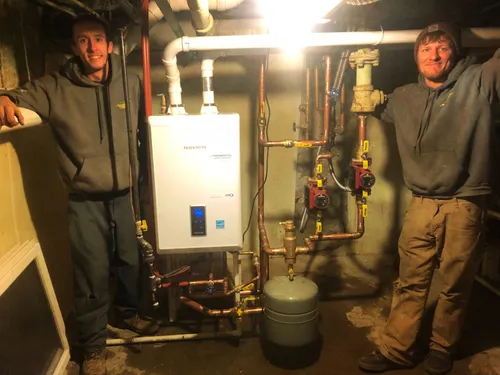
Heinrichs Home Comfort
18445 W National Ave, New Berlin, WI 53146
Heinrichs Home Comfort is an HVAC company serving Milwaukee, WI, specializing in air conditioning, furnace, and boiler repair and installation. They provide HVAC tune-up services and emphasize safe, reliable maintenance including thorough cleaning and safety checks for furnaces and boilers. With 16 years of experience, Heinrichs Home Comfort offers a 1-year guarantee on their work and maintains clear communication with customers through timely updates and digital reports.
Cardinal Heating, Cooling, Plumbing, & Electric
6120 Cottonwood Dr, Fitchburg, WI 53719
Cardinal Heating, Cooling, Plumbing, & Electric is a full-service contractor based in Madison, WI, offering heating, air conditioning, plumbing, and electrical services. They serve multiple counties in Southern Wisconsin, including Dane County. The company provides HVAC installation and repair, plumbing maintenance, and electrical work, with capabilities such as 24-hour emergency response and one-day installations. Established in 1984, Cardinal Heating, Cooling, Plumbing, & Electric has over 30 years of experience and holds accreditation from the Better Business Bureau.
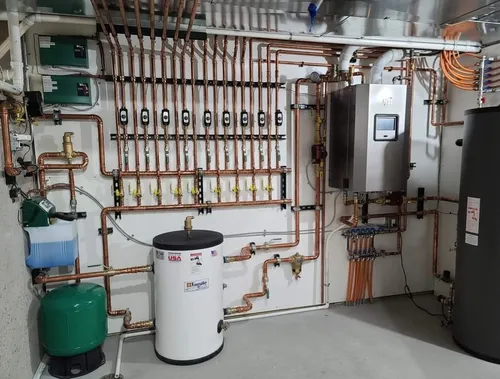
HoneyCreek Heating, Cooling & Electric, LLC
N63W22633 Main St Ste. 107, Sussex, WI 53089
HoneyCreek Heating, Cooling & Electric, LLC is a full-service HVAC and electrical company serving Milwaukee, WI, and the surrounding areas. They provide repair, installation, and maintenance for heating and cooling systems including furnaces, air conditioners, boilers, heat pumps, and thermostats. Their licensed electricians also handle electrical panel upgrades, wiring repairs, and ceiling fan installations. HoneyCreek offers 24/7 emergency service and covers a broad range of locations in Southeastern Wisconsin. Their technicians are experienced with many HVAC brands and emphasize safety and clear communication throughout their work.
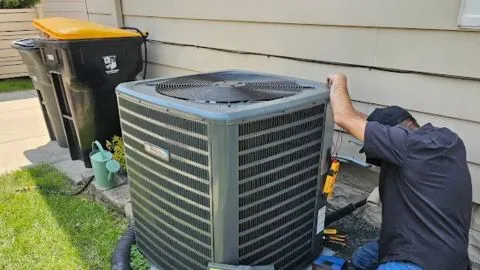
Absolute Comfort HVAC LLC
W220N1560 Jericho Ct, Waukesha, WI 53186
Absolute Comfort HVAC LLC provides heating, cooling, and ventilation services in Milwaukee, WI. They offer maintenance, repair, and installation for air conditioners, furnaces, boilers, mini splits, and indoor air quality systems. The company serves residential, commercial, light commercial, and new construction clients across multiple nearby communities. Their capabilities include HVAC tune-ups and installation of inverter and rooftop units. Absolute Comfort HVAC LLC covers a wide service area including Waterford, Waukesha, Brookfield, and surrounding locations.
Understanding Your Air Conditioning Options
Wisconsin homeowners typically choose between two primary types of systems: central air conditioners and ductless mini-splits. The best choice depends on your home's existing infrastructure and your specific comfort goals.
Central Air Conditioning Systems
A central air conditioner uses a split-system design with an outdoor condenser unit and an indoor evaporator coil, typically connected to a furnace's air handler. It distributes cool air throughout your home via a network of ducts. This is the most common choice for homes that already have functional ductwork from a forced-air heating system.
- Whole-Home Cooling: Provides consistent cooling to every room connected to the ductwork.
- Integration with Furnaces: Often installed alongside or integrated with a gas or electric furnace for year-round climate control.
- Aesthetic: The main components are hidden in a basement, utility closet, or attic, with only vents visible in living spaces.
Ductless Mini-Split Systems
Ductless systems consist of one or more indoor air-handling units mounted on walls or ceilings, connected by refrigerant lines to an outdoor condenser. They do not require ductwork, making them an excellent solution for many Wisconsin homes.
- Ideal for Older Homes: Perfect for homes without existing ducts, such as those with radiant heat or older construction.
- Zoned Comfort: Each indoor unit can be controlled independently, allowing you to cool only occupied rooms and set different temperatures in each zone.
- Year-Round Use: Most ductless mini-splits are heat pumps, providing highly efficient heating during Wisconsin's cold winters in addition to summer cooling.
Packaged Units
Less common for whole-house residential use in Wisconsin, packaged units contain all components-compressor, condenser, and evaporator-in a single cabinet typically installed on the roof or a concrete slab. They are more frequently used in commercial settings or homes with severe space constraints indoors.
Why Wisconsin's Climate Demands Careful Selection
Wisconsin experiences both extremes: hot, humid summers and bitterly cold winters. Your air conditioning choice must address both seasons for optimal efficiency and comfort.
- Managing Summer Humidity: High-efficiency air conditioners do more than lower temperature; they also remove moisture from the air. In Wisconsin's humid summers, a unit with a high SEER2 rating (the current efficiency standard) is crucial for maintaining comfort and preventing mold growth.
- Preparing for Winter: A system that only works for half the year may not be the best investment. Ductless mini-split heat pumps can provide efficient supplemental heating, reducing your reliance on your furnace during milder winter days and lowering overall annual energy costs. Even if you choose a central AC, considering a system compatible with a heat pump for future upgrades is a smart move.
The Professional Installation Process: A Step-by-Step Overview
A proper installation is as important as the equipment itself. A professional, licensed HVAC contractor will follow a meticulous process to ensure safety, efficiency, and reliability.
- Site Evaluation and Load Calculation: A technician will assess your home's size, insulation, window orientation, and existing ductwork. They perform a Manual J calculation to determine the precise cooling capacity (in tons) needed-a critical step to avoid an oversized or undersized system.
- Permitting: Your contractor will obtain all necessary local building permits, ensuring the installation meets Wisconsin and municipal codes 1.
- Preparation and Removal: The work area is protected. The old air conditioner, and often the indoor evaporator coil, is safely disconnected, with refrigerant recovered according to EPA regulations, and removed.
- New Unit Installation: The new outdoor condenser is placed on a stable, level pad. The new indoor coil is installed in the plenum of your furnace or air handler. Refrigerant lines are connected, and often new lines are recommended for optimal performance.
- Electrical and Ductwork: New electrical wiring is run from your home's panel to a disconnect and the unit. For central systems, existing ductwork is inspected, sealed, and modified if necessary. For mini-splits, small holes are drilled to run the lineset between indoor and outdoor units.
- System Startup and Testing: The system is charged with the correct amount and type of refrigerant. The technician starts the system, tests for proper operation, checks refrigerant pressures, verifies thermostat communication, and ensures the condensate drain is working correctly. They will also review system operation with you 2.
How Long Does Installation Take?
A straightforward central AC replacement in a home with good existing ductwork can often be completed in a single day. More complex jobs, such as those requiring duct modifications, a full system changeover (like switching from a boiler to forced air), or a multi-zone ductless installation, typically take 2 to 3 days 3 4.
Find the perfect ac installation & replacement contractors for your needs
Get personalized recommendations and expert advice
Understanding Costs and Value in Wisconsin
The investment in a new air conditioning system varies widely based on your home's needs and the equipment selected.
- Central Air Conditioning: For a full system replacement, including a new outdoor unit and indoor coil, homeowners can expect a range of $5,000 to $12,000 or more 5. The final cost depends on system size (tonnage), efficiency (SEER2 rating), brand, and the complexity of the installation labor.
- Ductless Mini-Split Systems: Costs are typically quoted per zone. A single-zone system (one indoor head) can start around $3,000-$5,000 installed, with each additional zone adding significant cost. While the upfront cost per zone can be higher, you avoid the expense of installing new ductwork, making it cost-competitive for targeted cooling or homes without ducts 6 7.
Key Factors Influencing Price:
- Efficiency (SEER2 Rating): Higher-efficiency units cost more upfront but save significantly on monthly energy bills, often reducing cooling costs by 30-50% compared to older units 8 9.
- Home Size and Layout: Larger homes require larger, more expensive units. Complex layouts may need more zones or ductwork modifications.
- Ductwork Condition: Existing ducts may need sealing, insulation, or replacement, adding to the project cost.
- Brand and Features: Premium brands and units with advanced features (like variable-speed compressors or smart connectivity) command higher prices.
Maximizing Your Investment:
- Energy Savings: The operational savings from a high-efficiency unit can help recoup the higher initial investment over several years.
- Rebates and Incentives: Check for available rebates from Focus on Energy (Wisconsin's energy efficiency program), local utilities, or federal tax credits for qualifying high-efficiency systems and heat pumps.
- Increased Home Value: A modern, efficient central air system is a valued feature for potential homebuyers in Wisconsin.
The Importance of Proper Sizing and Professional Expertise
An oversized AC unit will short-cycle-turn on and off too frequently-failing to properly dehumidify your home and wearing out components prematurely. An undersized unit will run constantly, struggling to cool your home on the hottest days and driving up energy bills 10 11. Only a professional load calculation can determine the correct size.
Choosing a licensed, insured, and experienced Wisconsin HVAC contractor is non-negotiable. They will ensure proper permitting, safe handling of refrigerants, correct installation per manufacturer specifications, and that your system is eligible for warranties and rebates. Look for contractors who are NATE-certified and have strong local references.
Frequently asked questions
Sources
Footnotes
-
Air Conditioning Installation Costs Explained - https://toptechmech.com/air-conditioning-installation-costs/ ↩
-
A Step-by-Step Guide to Air Conditioner Installation - https://candcheat.com/a-step-by-step-guide-to-air-conditioner-installation/ ↩
-
What Are the Different Types of Air Conditioners? - Bryant - https://www.bryant.com/en/us/products/air-conditioners/types/ ↩
-
Central Air System Installation: Complete Guide for Homeowners - https://thefurnaceoutlet.com/blogs/news/central-air-system-installation-complete-guide-for-homeowners-nbsp-installation-process-amp-cost-breakdown ↩
-
Essential Guide to Replacing Your Central Air System in 2025 - https://www.tcmemt.com/post/central-air-conditioning-system-replacement-essential-guide-for-spring-2025-upgrades ↩
-
3 Types of Air Conditioners for WI Homes - https://martensheating.com/3-types-of-air-conditioners-for-your-home-and-how-to-choose/ ↩
-
Split System Air Conditioner Installation Cost (Price Guide 2025) - https://allec.com.au/split-system-air-conditioner-installation-cost-price-guide/ ↩
-
AC Repair or Replace in 2025? A Simple Wisconsin Guide - https://southportheating.com/ac-repair-or-replace-in-2025-a-simple-wisconsin-guide/ ↩
-
How Much Does an Air Conditioner Cost for a 2000-Square-Foot Home? - https://www.thisoldhouse.com/heating-cooling/air-conditioner-cost-for-2000-square-foot-home ↩
-
Step-by-Step HVAC Installation Guide - Carrier - https://www.carrier.com/residential/en/us/products/air-conditioners/hvac-installation/ ↩
-
Air Conditioning Installation: A Step-by-Step Process - https://nexgenairandplumbing.com/blog/air-conditioning-installation-a-step-by-step-process/ ↩