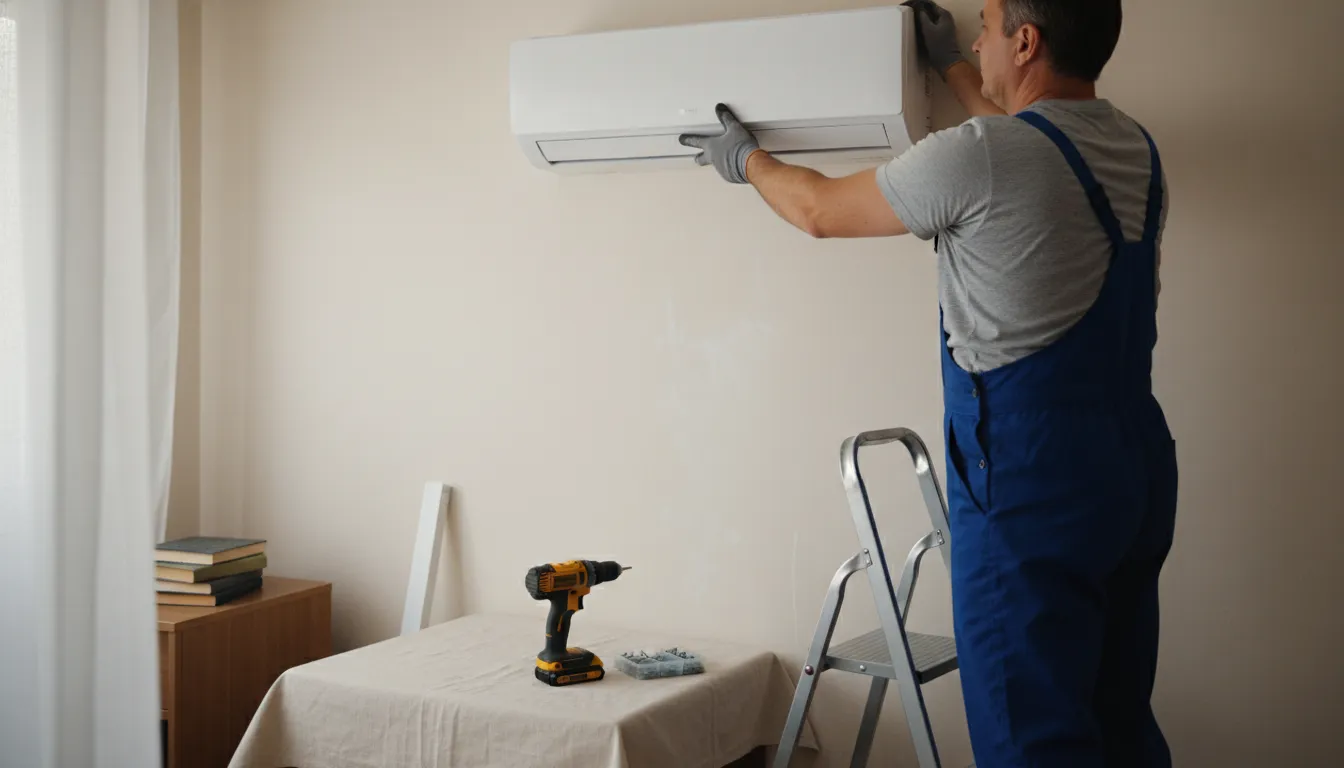
Find the Best AC Installation & Replacement Contractors for Your Business
No obligation • Fast responses • Nationwide coverage

Why you can trust HVAC Firms
HVAC Firms is a leading United States resource for evaluating HVAC service providers. Our team researches companies, checks credentials, and reviews customer feedback to present clear, unbiased information. Listings and rankings are based on merit, and companies cannot pay to change our editorial content.
Search providers near you
Top AC Installation & Replacement Contractors in Vancouver, Washington Ranked
Keeping your home cool and comfortable during Vancouver's increasingly warm summers requires a reliable air conditioning system. Whether you're replacing an aging unit or installing AC for the first time, understanding the process, costs, and options available locally is key to a successful project. This guide provides essential information to help you navigate the process of selecting and installing a new cooling system, connecting you with the knowledge needed to find qualified local professionals for your home comfort needs.
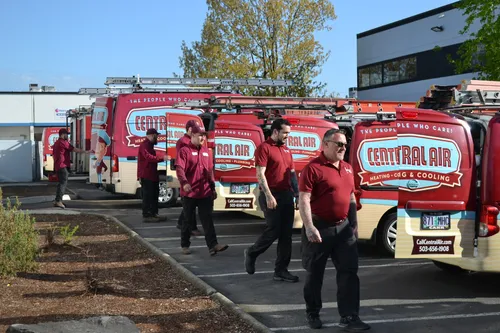
Central Air Heating, Cooling & Plumbing
11640 SW Corby Dr #5, Portland, OR 97225
Central Air Heating, Cooling & Plumbing is a Portland, OR-based company providing heating, cooling, plumbing, and indoor air quality services. Since 2001, they have offered installation, repair, and maintenance for central air conditioners, ductless mini splits, furnaces, and heat pumps. Their services include HVAC tune-ups, air balancing, air purifier installation, and plumbing repairs. The company emphasizes trained technicians and offers a comprehensive HVAC service plan to help maintain system efficiency and reduce breakdowns. They also provide plumbing solutions such as water heater and garbage disposal installation. Central Air Heating, Cooling & Plumbing guarantees repairs lasting at least three years and serves Portland homeowners with a broad range of home comfort needs.
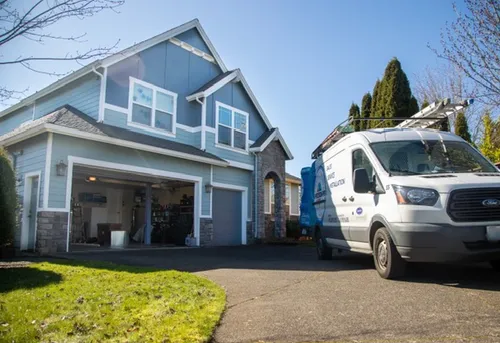
Precision Heating & Cooling
3128 E Evergreen Blvd Ste A, Vancouver, WA 98661
Precision Heating & Cooling provides heating and cooling repair, maintenance, and installation services in Portland, OR. They serve homes and businesses with a range of HVAC solutions including furnaces, heat pumps, air conditioning systems, and ductless mini-splits. The company offers equipment replacement, tune-ups, and maintenance plans, with after-hours emergency service available. Their team assists customers in selecting efficient systems and handles all brands and types of HVAC equipment.

Cornel's Plumbing, Heating & Air Conditioning
4015 SE 56th Ave, Portland, OR 97206
Cornel's Plumbing, Heating & Air Conditioning is a licensed, family-run company serving Portland, OR, and the surrounding metro area. With over 20 years of experience, they specialize in plumbing, heating, and air conditioning services for residential customers. Their expertise includes furnace and AC repair and installation, as well as plumbing solutions like water heater installation and drain cleaning. The company is known for providing same-day responses to emergency plumbing repairs and maintaining a high standard of workmanship.
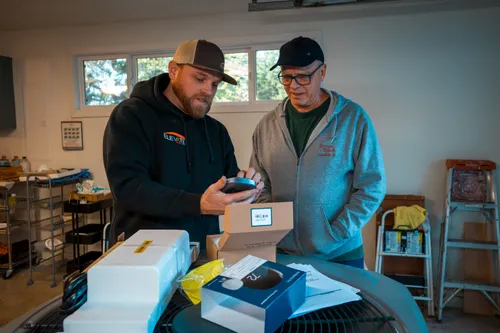
Elevate Heating & Cooling, Inc
5445 NE Century Blvd, Hillsboro, OR 97124
Elevate Heating & Cooling, Inc is a family-owned HVAC company serving Portland, OR and the surrounding greater Portland Metro Area. They offer a wide range of heating and cooling services including installation, repair, maintenance, and tune-ups for air conditioners, furnaces, heat pumps, and ductless mini-split systems. The company emphasizes energy-efficient equipment and thorough workmanship, with the owner personally overseeing each job to ensure quality. Elevate Heating & Cooling is licensed and insured and serves multiple nearby communities including Hillsboro, Beaverton, and Forest Grove.
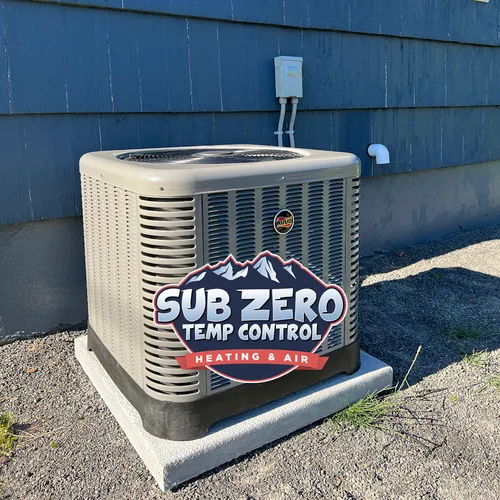
Sub Zero Temp Control
13714 NE 28th St Suite 12, Vancouver, WA 98682
Sub Zero Temp Control is an HVAC company based in Portland, OR, specializing in residential heating and cooling services. They offer repair, replacement, and installation for air conditioners, furnaces, heat pumps, and other HVAC systems. The company provides 24/7 emergency HVAC repair services and works with all major HVAC makes and models. With decades of experience, Sub Zero Temp Control serves the greater Vancouver, WA area and focuses on energy-efficiency upgrades and honest repair versus replacement advice.
Understanding Your AC Installation Options
When considering a new cooling system for your Vancouver home, you have several primary options. The most common choice is a central air conditioning system, which uses a network of ducts to distribute cool air throughout your home. This is an ideal solution if your house already has ductwork in place. Another popular and efficient option is a ductless mini-split system, which consists of an outdoor compressor unit connected to one or more indoor air handlers mounted on walls or ceilings. Mini-splits are excellent for homes without existing ducts, for room additions, or for providing zoned cooling. Finally, a heat pump system provides both efficient heating and cooling in one unit, making it a versatile year-round solution for the Pacific Northwest climate.
The right choice depends on your home's layout, existing infrastructure, and specific comfort goals. A professional assessment is the first critical step in determining which air conditioning installation path is best for you.
The Critical Importance of Proper System Sizing
One of the most important aspects of a successful air conditioner installation is ensuring the new system is correctly sized for your home. An oversized unit will cycle on and off too frequently, leading to uneven temperatures, excess humidity, and higher energy bills. An undersized unit will run constantly, struggling to cool your home and wearing out prematurely.
Professionals use a standardized calculation called a Manual J load calculation to determine the precise cooling capacity, measured in tons, that your home requires. This calculation considers numerous factors beyond just square footage, including:
- The quality and amount of your home's insulation.
- The number, size, and orientation of windows.
- Local climate data and your home's sun exposure.
- The number of occupants and typical heat-generating appliances.
As a general reference for Vancouver homes, common sizing estimates based on square footage are:
- 1,200 sq ft: 2 - 2.5 tons
- 1,800 sq ft: 3 - 3.5 tons
- 2,400 sq ft: 4 - 4.5 tons
- 3,000+ sq ft: 5 tons or more 1
These are estimates only; a professional's Manual J calculation is non-negotiable for an efficient and effective installation.
A Step-by-Step Guide to the Installation Process
A professional AC replacement or new installation follows a structured process to ensure quality and safety. Knowing what to expect can help you prepare your home and ask the right questions.
- Initial Assessment and Consultation: A technician will evaluate your home, discuss your comfort needs, and inspect existing ductwork, electrical service, and the location for the outdoor unit.
- Load Calculation and System Design: Using the Manual J method, the contractor will calculate the exact cooling load and design a system layout, including equipment placement and any necessary duct modifications.
- Equipment Selection: Based on the design, you'll select the specific make and model of equipment. This includes choosing an efficiency level, typically indicated by the SEER (Seasonal Energy Efficiency Ratio) rating. Higher SEER units cost more upfront but save on long-term energy costs.
- Preparation and Permitting: The contractor will obtain any required local permits for the work. You may need to clear the work area around the indoor and outdoor units.
- Installation Day: The crew will remove and properly dispose of the old equipment. The installation includes setting the new outdoor condenser, installing the indoor coil or air handler, connecting refrigerant lines, performing necessary electrical work (which may involve installing a new sub-panel), and sealing duct connections 2.
- System Testing and Commissioning: Once installed, the technician will charge the system with refrigerant, test all components for proper operation, check airflow, and ensure the thermostat is correctly calibrated. They will then perform a final walkthrough with you to explain system operation and basic maintenance.
Find the perfect ac installation & replacement contractors for your needs
Get personalized recommendations and expert advice
Breaking Down the Costs of AC Installation
The total investment for a new air conditioning system in Vancouver varies based on system type, size, efficiency, and the complexity of the installation in your specific home. Understanding the cost components helps in budgeting and comparing proposals.
For a complete central air conditioning system installation, homeowners can expect a total cost range between $4,000 and $9,000 3 4. For a ductless mini-split system, the typical range is $3,000 to $8,000 3 4. These totals are inclusive of equipment, labor, materials, permits, and disposal of the old unit.
Several key factors influence where your project falls within these ranges:
- System Capacity and Type: Larger homes require larger, more expensive equipment. Heat pumps and high-efficiency models also command a higher price.
- Efficiency (SEER Rating): Standard efficiency units (13-14 SEER) are less expensive than high-efficiency models (18+ SEER), which can qualify for rebates and lower operating costs.
- Labor and Complexity: Labor typically accounts for $1,000 to $2,500 of the total cost. Jobs requiring new electrical circuits, extensive ductwork modifications, or difficult access will increase labor time and cost 5 6.
- Additional Components: The price often includes a new thermostat, but upgrading to a smart thermostat may add to the cost. Necessary items like a new pad for the outdoor unit or refrigerant line sets are also factored in 7.
It's important to get detailed, written estimates that break down equipment, labor, and material costs. Be wary of quotes that seem unusually low, as they may indicate subpar equipment or shortcuts in the installation process.
Maximizing Value: Rebates, Credits, and Efficiency
Investing in a high-efficiency air conditioning system can provide significant long-term savings on energy bills. Furthermore, choosing an efficient model may make you eligible for financial incentives that reduce the net cost of your project.
- Federal Tax Credits: The federal government offers tax credits for the installation of qualified high-efficiency heat pumps and central air conditioners. These credits can directly reduce the amount of tax you owe 8.
- Utility Rebates: Local utility companies, such as Clark Public Utilities, often provide cash rebates for installing ENERGY STAR® certified cooling equipment. These rebates are typically applied directly at the point of sale or mailed to you after installation.
- Long-Term Energy Savings: A unit with a higher SEER rating uses less electricity to produce the same amount of cooling. Over the 15+ year lifespan of the system, the savings on your monthly energy bills can substantially offset the higher initial investment.
Always ask your HVAC contractor about current rebates and tax credits for which your new system may qualify. A reputable professional will be knowledgeable about these programs and help you complete the necessary paperwork.
Preparing for Your Installation Project
A little preparation on your part can help the installation process go smoothly and quickly. Before the crew arrives, ensure clear access to the attic, basement, utility closet, and the area around the outdoor condenser location. Move any furniture, decorations, or storage items that might be in the way. Consider covering items in adjacent rooms with sheets to protect against dust. Finally, make a list of any questions you have about system operation, warranty registration, and maintenance schedules to discuss during the final walkthrough.
By understanding the full scope of the air conditioning installation process-from sizing and selection to costs and incentives-you can make an informed decision and partner effectively with a qualified local technician to achieve optimal home comfort.
Frequently asked questions
Sources
Footnotes
-
Average Cost for New HVAC System - Comfort Temp - https://comforttemp.com/what-is-the-average-cost-for-a-new-hvac-system/ ↩
-
Air Conditioner Installation | AC System Install in Vancouver ... - https://allseasonshvac.com/hvac-installation/air-conditioner/ ↩
-
Complete AC Installation Guide: Process, Costs & What to ... - https://www.solutionshvacllc.com/blog/complete-ac-installation-guide ↩ ↩2
-
HVAC Installation & Replacement Cost in Washington State [2025] - https://residential.sunsetair.com/blog/hvac-installation-replacement-cost-washington-state-2025/ ↩ ↩2
-
What to Expect From Local HVAC Installations - https://precisionheatingco.com/what-to-expect-from-local-hvac-installations/ ↩
-
HVAC Installation Costs and Breakdowns - TMC Heating and Cooling - https://tmcservice.com/hvac-installation-costs-and-breakdowns/ ↩
-
Cost to Install Air Conditioning - 2026 Cost Calculator (Customizable) - https://www.homewyse.com/services/cost_to_install_air_conditioning.html ↩
-
How Much Does A New Residential HVAC System Cost → ... - https://essmwa.com/how-much-does-a-residential-hvac-system-cost/ ↩