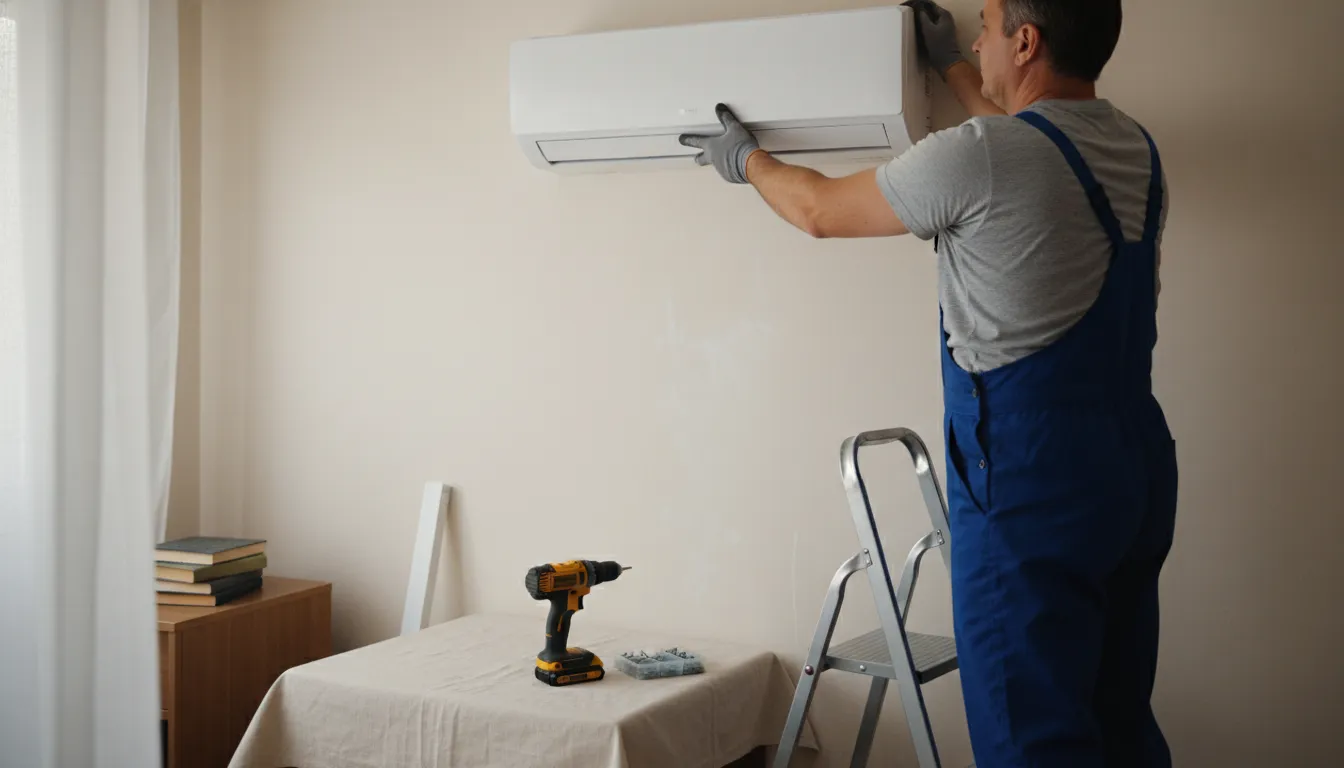
Find the Best AC Installation & Replacement Contractors for Your Business
No obligation • Fast responses • Nationwide coverage

Why you can trust HVAC Firms
HVAC Firms is a leading United States resource for evaluating HVAC service providers. Our team researches companies, checks credentials, and reviews customer feedback to present clear, unbiased information. Listings and rankings are based on merit, and companies cannot pay to change our editorial content.
Search providers near you
Top AC Installation & Replacement Contractors in Auburn, Washington Ranked
Upgrading or installing a new air conditioning system is a significant investment in your Auburn home's comfort, efficiency, and value. Whether you're replacing an aging, inefficient unit or installing central air for the first time, understanding the process, costs, and local considerations is crucial. This guide provides a detailed look at air conditioning installation and replacement, helping you navigate the options and connect with qualified local professionals to ensure your project is a success.

South West Plumbing, Heating, Air, & Electric
825 S Stacy St, Seattle, WA 98134
South West Plumbing, Heating, Air, & Electric has provided plumbing, HVAC, and electrical services in Seattle, WA for over 40 years. They offer a wide range of services including air conditioning repair and installation, furnace and heat pump repair, boiler installation, and HVAC tune-ups. Their capabilities include advanced drain and sewer services such as hydro jetting and video camera inspections. The company serves residential customers throughout Seattle, delivering comprehensive solutions for heating, cooling, plumbing, and electrical needs.
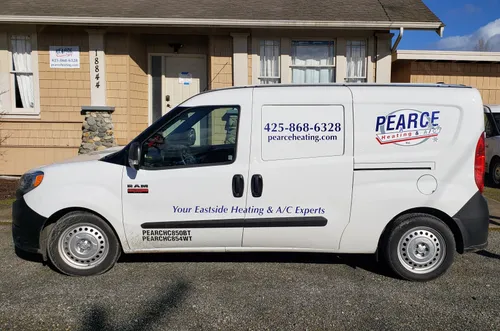
Pearce Heating & A/C
18844 NE 84th St, Redmond, WA 98053
Pearce Heating & A/C is a comprehensive HVAC and electrical service provider based in Seattle, WA. They serve the Eastside and King County areas, including Redmond, Bellevue, and Kirkland. Their services include installation, repair, and maintenance of heating, air conditioning, and heat pump systems, along with indoor air quality solutions such as air purifiers and humidifiers. Pearce Heating & A/C also offers professional electrical services including panel upgrades and rewiring. With decades of experience, their technicians are certified to work with all major HVAC brands and models. The company emphasizes personalized service by assigning consistent technicians and maintaining direct owner involvement to ensure quality and customer satisfaction.
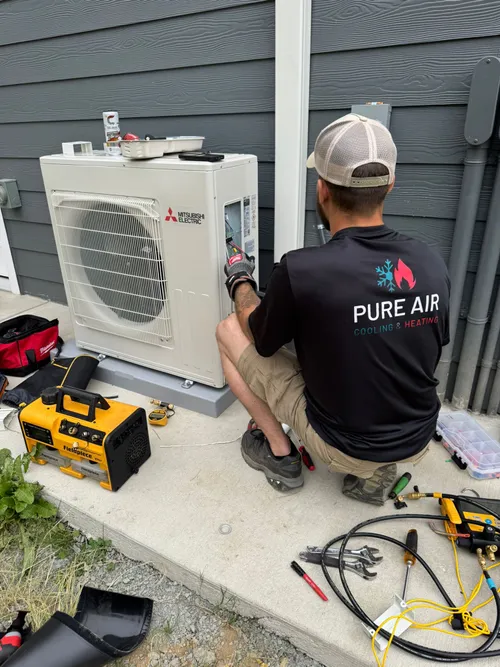
Pure Air Cooling & Heating
9720 NE 120th Pl, Kirkland, WA 98034
Pure Air Cooling & Heating is an HVAC contractor based near Seattle, WA, serving Kirkland, Bellevue, Redmond, and nearby areas. They provide a range of heating and cooling services including air conditioning repair and installation, furnace repair, heat pump services, and duct cleaning. The company focuses on energy-efficient solutions and reliable climate control for both homes and businesses in the region.
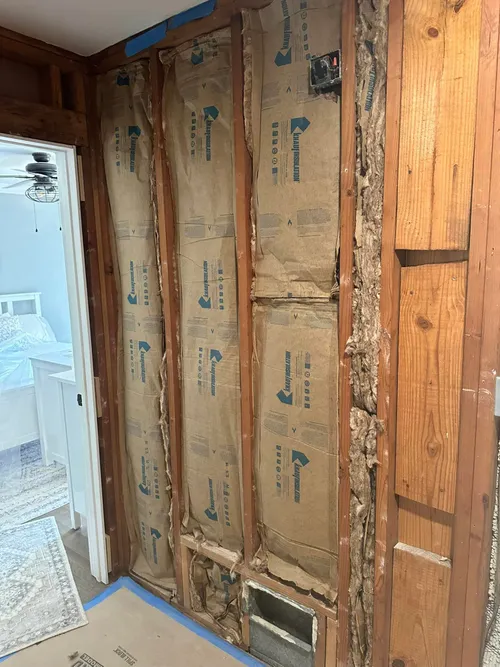
Energy Saver Solutions Inc - HVAC & Insulation W Seattle
4402 40th Ave SW, Seattle, WA 98116
Energy Saver Solutions Inc - HVAC & Insulation W Seattle provides a range of HVAC services in Seattle, WA. They specialize in air conditioning repair, HVAC installation, boiler and mini split installation, as well as indoor air quality services. The company offers expert attic and crawl space insulation to improve energy efficiency and comfort. With over 30 years of industry experience, Energy Saver Solutions also performs carbon monoxide checks to ensure safety. They provide 24/7 emergency service and are available year-round to support heating and cooling needs in all weather conditions.
Energy Saver Solutions Inc - HVAC & Insulation SW Seattle
1414 SW 114th St, Seattle, WA 98146
Energy Saver Solutions Inc - HVAC & Insulation SW Seattle provides comprehensive HVAC and insulation services in Seattle, WA. They specialize in air conditioning repair, HVAC and boiler installation, mini split systems, and indoor air quality services. The company offers expert attic and crawl space insulation to improve energy efficiency and comfort. With over 30 years of industry experience, they also provide carbon monoxide testing and 24/7 emergency service availability to address urgent heating and cooling needs.
Understanding Your AC System Options in Auburn
Choosing the right type of air conditioning system is the first step. The climate in Auburn, with its warm summers, means your system must be reliable and appropriately sized. The three most common systems for residential properties are central air conditioners, heat pumps, and ductless mini-splits.
A central air conditioning system is the standard for homes with existing ductwork. It consists of an outdoor condenser unit and an indoor coil, typically paired with your furnace's air handler. This is often the most straightforward replacement option if you already have ducts. A heat pump is an increasingly popular choice in the Pacific Northwest because it provides both efficient cooling and heating from one unit, making it a versatile year-round solution. For homes without ducts, such as older houses or room additions, ductless mini-split systems offer a flexible and efficient alternative, allowing for zoned cooling in specific areas1.
The Critical Importance of Correct Sizing
One of the most common and costly mistakes in air conditioning installation is incorrect sizing. A unit that is too large will short-cycle-turning on and off frequently-leading to uneven cooling, higher humidity levels indoors, and increased wear on components. A unit that is too small will struggle to cool your home on the hottest days, running constantly and driving up energy bills without achieving comfort.
Professional HVAC contractors in Auburn determine the correct size through a Manual J load calculation. This is not a simple guess based on square footage; it's a comprehensive analysis that considers your home's insulation levels, window types and directions, air leakage, local climate data, and even the number of occupants. For typical Auburn homes, central AC units often range from 2 to 4 tons (24,000 to 48,000 BTUs) of cooling capacity. Trusting a contractor who performs this calculation is non-negotiable for long-term efficiency and comfort.
A Step-by-Step Look at the Installation Process
A professional AC installation is a multi-stage process that ensures safety, efficiency, and system longevity. Here's what you can expect when a qualified technician handles your replacement or new installation:
- Consultation and Load Calculation: A technician will visit your home to assess your needs, discuss options, and perform the essential Manual J calculation to determine the perfect system size.
- Removal of Old Equipment: The existing outdoor condenser and indoor coil are safely disconnected, with refrigerant recovered according to EPA regulations, and removed from the premises.
- Site Preparation and Component Placement: The pad for the new outdoor unit is leveled or replaced. Indoors, the new evaporator coil is fitted to the existing furnace or air handler plenum.
- Installation and Connection: The new outdoor condenser is placed. Technicians then connect the refrigerant lineset between the indoor and outdoor units, run new electrical wiring from the disconnect box to the unit, and ensure the condensate drain line is properly installed to handle moisture removal 2.
- System Testing and Commissioning: This is the most critical phase. The system is evacuated of air and moisture, charged with the precise amount of refrigerant, and started. The technician will test for proper airflow, refrigerant levels, electrical operation, and thermostat communication, making fine-tuning adjustments for peak performance3 4.
Breaking Down the Costs of AC Replacement
The cost of a new air conditioning system in Auburn varies widely based on system type, size, efficiency, and the complexity of the installation. For a complete central AC replacement, homeowners can expect an average range of $4,500 to $13,000 or more5 6 7.
What's included in this price?
- Equipment: This covers the outdoor condenser unit and the matching indoor evaporator coil. Higher-efficiency models (with higher SEER2 ratings) and premium brands (like Bryant or Carrier) command a higher price.
- Labor & Installation: This encompasses all the skilled work described in the installation process: removal of the old unit, placement, electrical and refrigerant connections, ductwork modifications, and final testing8.
- Additional Components: The cost typically includes standard materials like a new pad, refrigerant lineset, wiring, and a basic thermostat.
Factors that can increase cost:
- Upgrading Efficiency: Moving from a standard 14 SEER2 unit to a high-efficiency 18+ SEER2 model.
- Ductwork Modifications: Installing new ductwork, repairing leaks, or adding zones can add significant expense.
- Electrical Upgrades: If your home's electrical panel or wiring needs an update to handle the new system.
- Add-Ons: Installing a smart thermostat, advanced air purification systems, or a humidifier.
For example, a project for a 3-ton Bryant central AC and furnace replacement in Auburn might fall in the range of $9,500 to $11,0009. For smaller spaces or ductless solutions, a single-zone ductless mini-split installation can be a more affordable option, though multi-zone systems increase the cost.
Find the perfect ac installation & replacement contractors for your needs
Get personalized recommendations and expert advice
Key Components of a New AC System
Understanding the major parts of your new system helps you communicate effectively with contractors and make informed choices.
- Outdoor Condenser Unit: This is the large metal cabinet installed outside your home. It houses the compressor, condenser coil, and a fan to release heat from your home to the outdoors.
- Indoor Evaporator Coil: This component, often installed inside your furnace's plenum or in an air handler, contains cold refrigerant. As warm indoor air blows over it, the refrigerant absorbs the heat, cooling the air before it circulates through your ducts.
- Refrigerant Lineset: These are two copper tubes that carry refrigerant between the indoor and outdoor units. A proper, leak-free installation is critical.
- Thermostat: The system's brain. Modern programmable or smart thermostats offer greater control and scheduling to maximize energy savings and comfort.
Choosing a Local Auburn HVAC Contractor
Your choice of installer is as important as your choice of equipment. A quality installation by a certified professional ensures your system delivers on its promised efficiency and lifespan. Here's how to vet local providers:
- Licensing and Insurance: Always verify that the contractor holds a valid Washington State HVAC license and carries both liability and worker's compensation insurance.
- Experience and References: Look for established companies with a strong local reputation. Ask for references from recent installations similar to yours.
- Detailed Written Estimates: Obtain at least three detailed, written quotes. These should break down costs for equipment (make and model), labor, and any ancillary work. Be wary of quotes that are significantly lower than others-this often indicates corner-cutting or subpar equipment.
- Post-Installation Support: Inquire about warranties on both parts and labor, and understand their process for maintenance and emergency service.
Maintaining Your New Investment
Once your new system is installed, proper maintenance is key to protecting your investment. This includes simple tasks like changing your air filter every 1-3 months and keeping the area around the outdoor unit clear of debris. Scheduling an annual professional tune-up before the cooling season begins is also highly recommended. A technician will clean coils, check refrigerant levels, inspect electrical components, and ensure everything is operating at peak efficiency, which can prevent costly repairs and extend the life of your system.
Frequently asked questions
Sources
Footnotes
-
What's the Right AC Size for You? | Cooling Homeowner's Guide - https://www.peakheatingcooling.com/homeowners-guide/cooling/whats-the-right-ac-size-for-you-matching-your-house-size-with-the-perfect-unit ↩
-
FAQs - Daikin India - https://www.daikinindia.com/faqs ↩
-
What Does AC Installation Include? A Comprehensive Guide - Air Necessity - https://airnecessityhvac.com/what-does-ac-installation-include-a-comprehensive-guide/ ↩
-
Air Conditioning Installation: A Step-by-Step Process - https://nexgenairandplumbing.com/blog/air-conditioning-installation-a-step-by-step-process/ ↩
-
HVAC Installation & Replacement Cost in Washington State ... - https://residential.sunsetair.com/blog/hvac-installation-replacement-cost-washington-state-2025/ ↩
-
AC Installation Costs, Home Units & Finding Local Installers - https://seattlehvac.com/2025/06/09/ac-installation-costs-best-systems-and-getting-the-best-unit/ ↩
-
How Much Does HVAC Replacement Cost? [2026 Data] | Angi - https://www.angi.com/articles/insider-s-price-guide-new-heating-and-cooling-system.htm ↩
-
What Is Included In Standard AC Installation? | Evergreen - https://evergreenhvacnc.com/what-is-included-in-standard-ac-installation/ ↩
-
Heating and Air Conditioning Installation in Auburn, WA - https://www.homedepot.com/services/l/wa/auburn/heating-air-conditioning-installation/c16fbb4b7 ↩