Find the Best AC Installation & Replacement Contractors for Your Business
No obligation • Fast responses • Nationwide coverage

Why you can trust HVAC Firms
HVAC Firms is a leading United States resource for evaluating HVAC service providers. Our team researches companies, checks credentials, and reviews customer feedback to present clear, unbiased information. Listings and rankings are based on merit, and companies cannot pay to change our editorial content.
Search providers near you
Best AC Installation & Replacement Contractors in Vermont Ranked
Upgrading or installing a new air conditioning system is a significant investment in your Vermont home's comfort, energy efficiency, and value. With the state's unique climate-characterized by humid summers and cold winters-choosing the right cooling and heating solution is crucial. This guide provides clear, practical information on the types of systems available, the installation process, and key considerations for Vermont homeowners, helping you make an informed decision when selecting a local provider for your project.
Understanding Your Cooling Options in Vermont
Vermont's diverse housing stock, from historic colonials to modern builds, means there is no one-size-fits-all cooling solution. The right system depends on your home's existing infrastructure, your heating needs, and your efficiency goals.
Ductless Mini-Split Heat Pumps are exceptionally popular in Vermont. These systems provide highly efficient, zoned cooling and heating without the need for ductwork. An outdoor unit connects to one or more indoor air handlers mounted on walls or ceilings. They are ideal for older homes without ducts, room additions, or for supplementing cooling in specific areas. Many modern cold-climate models are designed to provide efficient heat even during Vermont's harsh winters, making them a versatile year-round solution.
Central Air Conditioning and Heat Pumps are the best choice if your home already has a functional ductwork system. A central system uses these ducts to deliver cool air throughout the entire house. For Vermont homes, pairing a central air conditioner with a furnace is common, but installing a central heat pump is often a more efficient option. A heat pump provides both cooling and heating from one unit, and cold-climate models are specifically engineered to perform well in sub-freezing temperatures1.
Packaged Units contain all system components-the compressor, condenser, and evaporator-in a single cabinet, typically installed on the ground or roof. These are less common in residential settings but can be a space-saving solution for certain homes or small commercial buildings2.
Why System Choice Matters: Efficiency and Climate Compatibility
Vermont's energy goals and climate make efficiency a top priority. Selecting a high-efficiency system not only lowers your utility bills but may also qualify you for valuable rebates.
- Cold-Climate Performance: Standard air-source heat pumps can lose efficiency in very cold weather. For reliable winter heating, it's essential to choose a cold-climate heat pump (CCHP) certified to provide sufficient heat output at temperatures as low as 5°F or below.
- SEER2 Ratings: The Seasonal Energy Efficiency Ratio (SEER2) is the standard measure of cooling efficiency. The higher the SEER2 rating, the more efficient the unit. Vermont incentives often require minimum SEER2 ratings, so investing in a higher-rated system can pay off through rebates and long-term savings.
- ENERGY STAR® Certification: Look for systems that carry the ENERGY STAR label, which signifies they meet strict efficiency guidelines set by the U.S. Environmental Protection Agency. Many rebate programs from Efficiency Vermont require ENERGY STAR certification.
The AC Installation Process: What to Expect
A professional installation is critical for safety, efficiency, and system longevity. While details vary by project, most installations follow a standard sequence.
- Initial Assessment and Planning: A qualified contractor will visit your home to evaluate your cooling needs, inspect existing ductwork (if applicable), check electrical service, and determine the optimal size (in tons) and placement for the new system. An undersized unit will struggle to cool your home, while an oversized unit will cycle on and off too frequently, reducing efficiency and comfort.
- Removal of Old Equipment: If you are replacing an existing system, the old outdoor condenser and indoor coil or air handler will be safely disconnected, with refrigerant recovered according to EPA regulations, and removed from the site.
- Site Preparation: The area for the new outdoor unit is prepared. This typically involves setting a stable, level pad (often concrete or composite) to support the condenser. For ductless systems, small holes are drilled for the refrigerant lines.
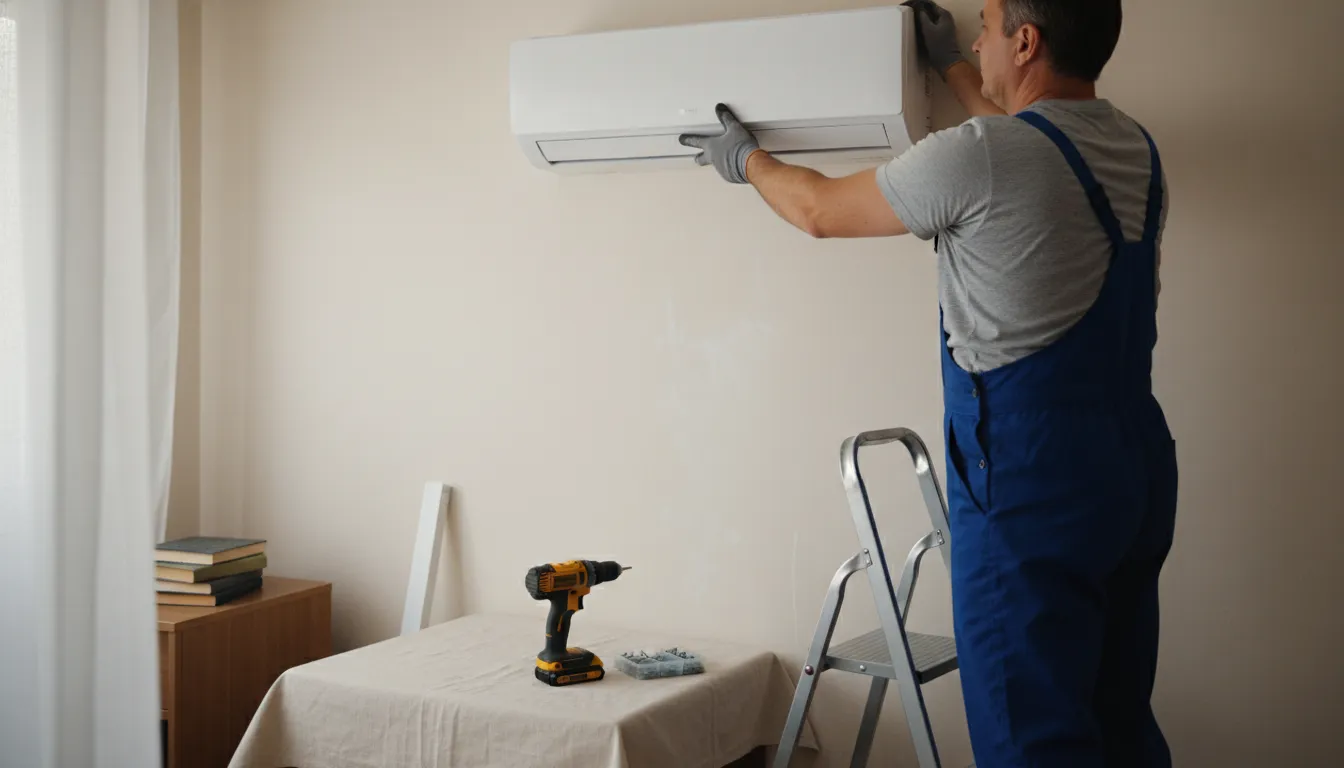
- Installation of Indoor Components: For central systems, the new evaporator coil is installed inside the existing furnace or air handler cabinet. For ductless systems, the wall-mounted indoor air handler(s) are secured in their chosen locations.
- Running Line Sets and Wiring: Refrigerant lines (the "line set"), condensate drain lines, and electrical wiring are run between the indoor and outdoor units. For ductless installs, this involves connecting through the small wall holes. For central systems, connections are made through the home's exterior.
- Outdoor Unit Placement and Connection: The outdoor condenser or heat pump is placed on the prepared pad. The refrigerant lines, electrical wires, and drain line are connected. The system is then vacuumed to remove moisture and air before being charged with the correct amount of refrigerant.
- System Testing and Commissioning: The installer will power on the system, test all components, check refrigerant levels, measure airflow, and ensure the thermostat is correctly calibrated. They should also explain basic operation and maintenance to you3 4.
Find the perfect ac installation & replacement contractors for your needs
Get personalized recommendations and expert advice
Timeline and Cost Considerations for Vermont Homes
Installation Timeline:
- Ductless Mini-Split (1-3 zones): A straightforward installation for a single- or multi-zone system can often be completed in 1-2 days.
- Central AC or Heat Pump: Installing a full central system typically takes 2-4 days. The timeline can extend if significant ductwork modifications, electrical upgrades, or complex architectural challenges are involved.
Cost Overview: Costs vary widely based on system type, size, efficiency, and home complexity. The figures below are estimates; obtaining multiple quotes from local Vermont contractors is essential.
- Ductless Mini-Split System: Installing a system with one outdoor unit and 1-3 indoor air handlers typically ranges from $2,000 to $5,000+, before any applicable rebates 5.
- Central Air Conditioning or Heat Pump System: Replacing a full system, including outdoor condenser and indoor coil/air handler, generally falls between $8,000 and $20,000+. The final price depends heavily on the system's capacity, efficiency rating, and any necessary ancillary work like duct sealing or electrical upgrades6 7 8.
Financial Incentives: Vermont offers some of the most attractive incentives in the country to encourage high-efficiency heating and cooling upgrades. Efficiency Vermont provides rebates for qualifying ENERGY STAR certified heat pumps and central air conditioners9. Additionally, special financing and incentive programs are often available, especially for cold-climate heat pumps that displace fossil fuel heating. It is highly recommended to consult the latest guides from Efficiency Vermont and the Clean Energy States Alliance for current rebate details and program eligibility 9.
Choosing a Qualified Vermont Contractor
Your installer's expertise is as important as the equipment brand. Look for a licensed, insured contractor with specific experience installing your chosen system type in Vermont's climate.
- Verify Credentials: Ensure they hold a valid Vermont HVAC license and carry both liability and worker's compensation insurance.
- Check References and Reviews: Ask for local references and read online reviews to gauge their reputation for quality work and customer service.
- Assess Experience: Ask how many systems similar to yours they have installed, particularly cold-climate heat pumps if that's your choice. An experienced installer will perform a proper load calculation (Manual J) and not simply size based on your old unit.
- Get Detailed Quotes: Obtain written, itemized estimates from at least three contractors. The quote should include equipment model numbers, labor, warranty details, and a clear project scope. Be wary of quotes that are significantly lower than others, as this may indicate subpar equipment or shortcuts.
Frequently asked questions
Sources
Footnotes
-
Central Air Conditioning Installation & Replacement - https://www.coopervt.com/air-conditioner/installation ↩
-
What Are the Different Types of Air Conditioners? - Bryant - https://www.bryant.com/en/us/products/air-conditioners/types/ ↩
-
A Step-by-Step Guide to Air Conditioner Installation - https://candcheat.com/a-step-by-step-guide-to-air-conditioner-installation/ ↩
-
Air Conditioning Installation: A Step-by-Step Process - https://nexgenairandplumbing.com/blog/air-conditioning-installation-a-step-by-step-process/ ↩
-
A Vermonter's Guide to Residential Clean Heating and Cooling - https://www.cesa.org/wp-content/uploads/A-Vermonters-Guide-to-Residential-Clean-Heating-and-Cooling.pdf ↩
-
How Much Does a New HVAC System Cost in 2025? - https://www.jacklehr.com/blog/air-conditioning-service/new-hvac-system-cost-2025/ ↩
-
How Much Does an Air Conditioner Cost for a 1,000-Square-Foot Home? - https://www.thisoldhouse.com/heating-cooling/air-conditioner-cost-for-1000-square-foot-home ↩
-
Air Conditioning Installation & Replacement in Burlington, VT - https://www.vtenergy.com/air-conditioning-installation-burlington-vt.php ↩
-
Energy Efficient Air Conditioner Systems | Efficiency Vermont - https://www.efficiencyvermont.com/products-technologies/heating-cooling-ventilation/air-conditioning ↩ ↩2