Find the Best AC Installation & Replacement Contractors for Your Business
No obligation • Fast responses • Nationwide coverage

Why you can trust HVAC Firms
HVAC Firms is a leading United States resource for evaluating HVAC service providers. Our team researches companies, checks credentials, and reviews customer feedback to present clear, unbiased information. Listings and rankings are based on merit, and companies cannot pay to change our editorial content.
Search providers near you
Best AC Installation & Replacement Contractors in Rhode Island Ranked
Installing or replacing an air conditioning system is a significant investment in your Rhode Island home's comfort, efficiency, and value. The state's humid coastal climate and unique housing stock, from historic colonials to modern builds, make choosing the right system and a qualified professional essential. This guide provides a detailed overview of your options, the installation process, and key considerations to help you make an informed decision for your home.
Understanding Your Air Conditioning Options in Rhode Island
Rhode Island homeowners have several effective choices for cooling, each with distinct advantages depending on your home's layout, existing infrastructure, and comfort goals.
Central Air Conditioning Systems
A central air conditioner is the most common whole-home cooling solution for properties with existing, functional ductwork. It consists of an outdoor condenser unit connected to an indoor air handler or furnace, using a network of ducts to distribute cool air throughout the house. This system is ideal if your home already has ducts in good condition, as it provides uniform cooling and can integrate seamlessly with a forced-air heating system. 1 The efficiency of modern central AC units, measured by the Seasonal Energy Efficiency Ratio (SEER), has improved dramatically, offering better performance and lower operating costs.
Ductless Mini-Split Systems
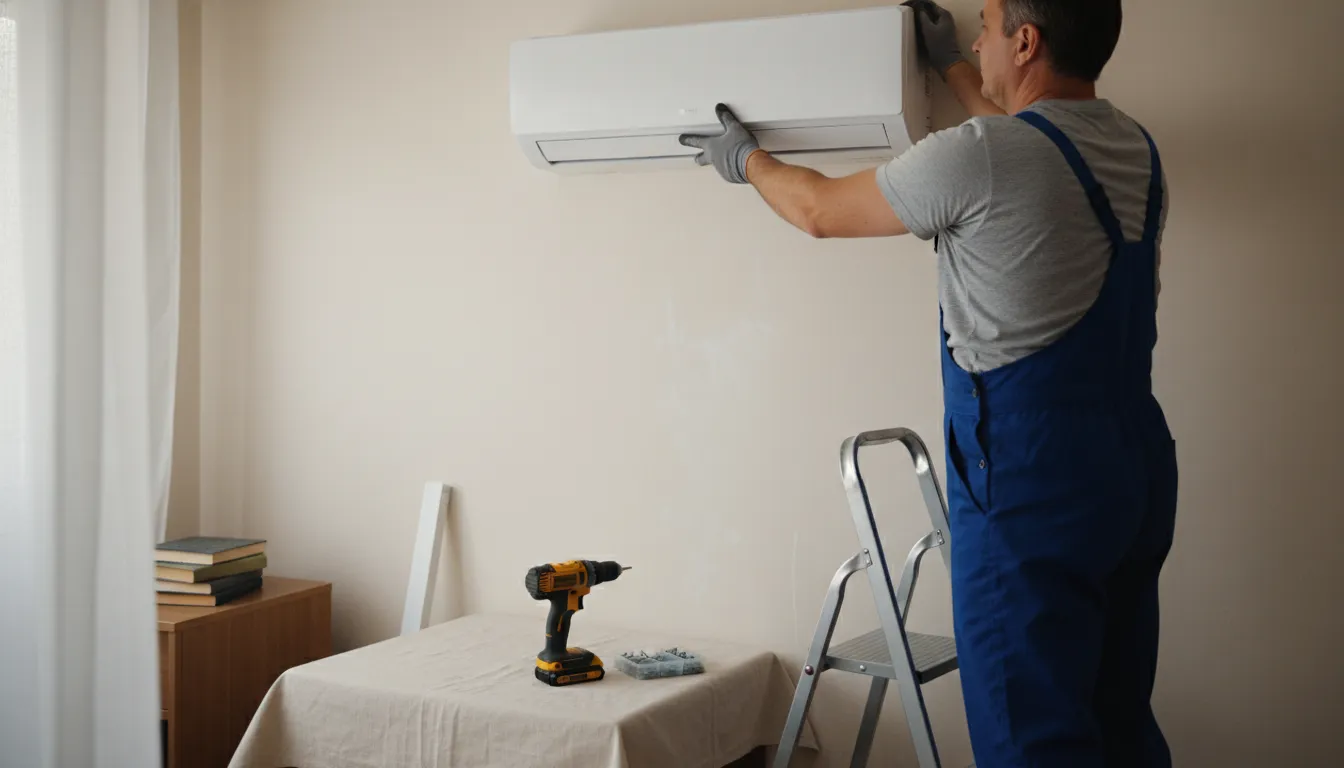
Ductless mini-splits have become increasingly popular in Rhode Island, especially for older homes, additions, or rooms that are difficult to cool with existing ductwork. These systems feature one or more quiet, wall-mounted indoor units connected by a small refrigerant line to an outdoor compressor. They offer exceptional flexibility for "zoning," allowing you to control temperatures in individual rooms. This can lead to substantial energy savings, as you only cool occupied spaces. They are often the best solution for historic homes where installing ducts is impractical or too invasive.
Zoned and Hybrid Systems
For enhanced comfort and efficiency, consider a zoned system. These can be built using either central air (with motorized dampers in the ducts) or multiple ductless mini-split heads. Zoning is particularly beneficial for multi-story Rhode Island homes, where temperature differences between floors are common. It allows you to set different temperatures for different areas, eliminating hot and cold spots and reducing energy waste. 2 Hybrid systems that pair a heat pump with a traditional furnace can also be an excellent choice, providing efficient electric cooling in summer and flexible heating in winter.
Rhode Island's Climate and Its Impact on Your AC
Choosing an AC system isn't just about square footage; Rhode Island's specific environmental factors play a crucial role in system selection and longevity.
- High Humidity: Southern New England summers are known for their mugginess. An effective AC system must have strong dehumidification capabilities. Proper sizing is critical here-an oversized unit will cool the air quickly but shut off before removing adequate moisture, leaving your home feeling damp and clammy. 3
- Coastal Salt Air: For homes near the ocean, salt spray can be corrosive to the external components of an AC unit. This makes regular maintenance-cleaning coils and checking for corrosion-especially important. Some equipment is built with more robust, corrosion-resistant coatings specifically for coastal environments.
- Seasonal Transitions: Rhode Island experiences wide temperature swings, with cool spring and fall nights followed by warm days. Systems with variable-speed compressors or inverters excel in these conditions, adjusting their output smoothly to maintain a consistent temperature without constant on/off cycling, which improves efficiency and comfort.
The AC Installation Process: A Step-by-Step Guide
A professional installation is key to your system's performance, efficiency, and lifespan. Here's what a comprehensive installation or replacement project typically involves.
- Initial Consultation and Load Calculation: A reputable HVAC professional will visit your home to conduct a detailed assessment. This goes beyond square footage to include insulation levels, window types and orientation, ceiling height, and local climate data. This "Manual J" load calculation determines the precise cooling capacity (in BTUs) your home needs-the most critical step to avoid an inefficiently sized system.
- System Selection and Proposal: Based on the load calculation, your budget, and home specifics, the contractor will recommend suitable system types, brands, and efficiency ratings (SEER). You should receive a clear, written proposal outlining equipment models, scope of work, timeline, and total cost.
- Securing Permits: Your contractor will obtain all necessary local building permits before work begins. This ensures the installation complies with Rhode Island building codes and safety standards, and it often involves an inspection after completion.
- Site Preparation and Equipment Removal: On installation day, the crew will prepare the work area, protecting your floors and furnishings. For replacements, the old equipment is safely disconnected, recovered of refrigerant (following EPA regulations), and removed. The outdoor pad or mounting area is leveled and prepared.
- New Equipment Installation: This is the core phase. For central AC, it involves setting the outdoor condenser, connecting refrigerant lines and electrical wiring, and integrating with the indoor air handler or furnace. If new or modified ductwork is needed, that work is done here. For ductless systems, a small hole is drilled for the lineset, the wall-mounted indoor unit(s) are hung, and the outdoor unit is placed. 4
- System Testing and Commissioning: Once installed, the technician will charge the system with refrigerant, test all electrical connections, check for leaks, and calibrate the thermostat. They will start the system, measure airflow and temperature drop, and verify that every component operates correctly.
- Customer Walkthrough: A final, crucial step is the walkthrough. The installer should explain how to operate your new thermostat, change filters, and basic maintenance tips. You should receive all manufacturer warranties and documentation. 5
How Long Does Installation Take?
- Ductless Mini-Split: Installation for a single-zone system is typically completed in 1-2 days. 6
- Central AC (with existing ducts): A straightforward replacement can often be finished in a single day.
- Central AC (requiring new ductwork): This complex project can extend to several days, depending on the ductwork's scope.
Find the perfect ac installation & replacement contractors for your needs
Get personalized recommendations and expert advice
Understanding the Investment: AC Installation Costs in Rhode Island
The cost of a new air conditioning system in Rhode Island varies widely based on system type, capacity, efficiency, and the complexity of the installation.
The overall price range for a full system installation or replacement typically falls between $5,500 and $16,000 or more, including equipment, labor, and permits. 7 8 Several key factors influence where your project lands in this range:
- System Type and Size: A basic central AC system for a smaller, well-insulated home will cost less than a high-capacity system for a large property. Ductless systems are priced per zone; a multi-zone system cooling several rooms will have a higher total cost.
- Efficiency Rating (SEER): Higher SEER-rated units (e.g., SEER 18+) are more expensive upfront but offer significantly lower monthly energy bills, which can be a wise long-term investment in Rhode Island's cooling season.
- Ductwork Modifications: This is one of the largest variables. Repairing, sealing, or replacing old, leaky ducts can cost between $1,000 and $5,000. Installing an entirely new duct system in a home without one is a major project, potentially adding $3,000 to $10,000+ to the total. 9 10
- Additional Components: Upgrades like a high-performance smart thermostat, advanced air filtration systems, or zoning controls will add to the project cost but enhance comfort and control.
- Rebates and Incentives: Always ask your contractor about available rebates from Rhode Island Energy (formerly National Grid) or state programs, as well as federal tax credits for high-efficiency equipment. These can substantially reduce your net cost.
Maintaining Your New Rhode Island AC System
To protect your investment and ensure your system runs efficiently for its full lifespan (typically 12-15 years for a well-maintained unit), regular maintenance is non-negotiable in the coastal Rhode Island climate.
- Annual Professional Tune-Up: Schedule a pre-summer maintenance visit every spring. A technician will clean the coils (vital for combating salt air residue), check refrigerant levels, inspect electrical components, clean drain lines, and ensure the system is operating at peak efficiency. 11 12
- DIY Maintenance: Homeowners should change or clean the system's air filter every 1-3 months during peak usage. Keep the area around the outdoor condenser unit clear of leaves, grass clippings, and debris for proper airflow.
- Winter Preparation: For central AC, using a waterproof cover on the outdoor unit is generally not recommended, as it can trap moisture and encourage corrosion and pest activity. Simply keep the area clear. For ductless systems, follow the manufacturer's guidelines for cold-weather operation if you use it for heating.
Frequently asked questions
Sources
Footnotes
-
Central AC Installation & Repair - Licensed HVAC | SmithCo RI - https://smithco-oil.com/central-air-conditioning-rhode-island/ ↩
-
Zoned HVAC Systems Rhode Island | Multi-Story Home Comfort - https://ugnasons.com/energy-efficiency/zoned-hvac-systems-the-secret-to-comfort-and-energy-savings-in-multi-story-homes/ ↩
-
Spring HVAC Tune-Up Rhode Island | AC Maintenance Checklist - https://ugnasons.com/seasonal-maintenance/spring-hvac-tune-up-checklist-preparing-your-system-for-rhode-islands-humid-summers/ ↩
-
Residential HVAC Installation Process: A Comprehensive Guide - https://precisionairhc.com/blog/residential-hvac-installation-process/ ↩
-
Air Conditioning System Installation Process From Start to Finish - https://indoortemp.com/resources/air-conditioning-system-installation-process ↩
-
Understanding AC Installation Timeframes - https://airdocsac.com/blog/understanding-ac-installation-timeframes/ ↩
-
A Step-by-Step Guide to Installation Timelines - Ambrose Air - https://ambroseair.com/a-step-by-step-guide-to-installation-timelines-what-to-expect-during-your-ac-upgrade/ ↩
-
Cost of an Air Conditioner in 2026: Replacing Your AC Unit | Fire & Ice - https://indoortemp.com/resources/air-conditioner-replacement-cost ↩
-
How Does AC Installation Cost? - Rhode Island HVAC Services - https://rhodeislandhvacservices.com/blog/how-much-should-ac-installation-cost/ ↩
-
AC Installation Narragansett RI | Central Air vs Mini Split ... - https://ugnasons.com/uncategorized/the-ultimate-guide-to-air-conditioning-installation-for-narragansett-homeowners-central-air-vs-mini-splits/ ↩
-
Spring HVAC Tune-Up Rhode Island | AC Maintenance Checklist - https://ugnasons.com/seasonal-maintenance/spring-hvac-tune-up-checklist-preparing-your-system-for-rhode-islands-humid-summers/ ↩
-
Fall HVAC Checklist Rhode Island | Winter Prep Guide - UG Nasons - https://ugnasons.com/hvac-maintenance/fall-hvac-checklist-preparing-your-rhode-island-home-for-winter/ ↩