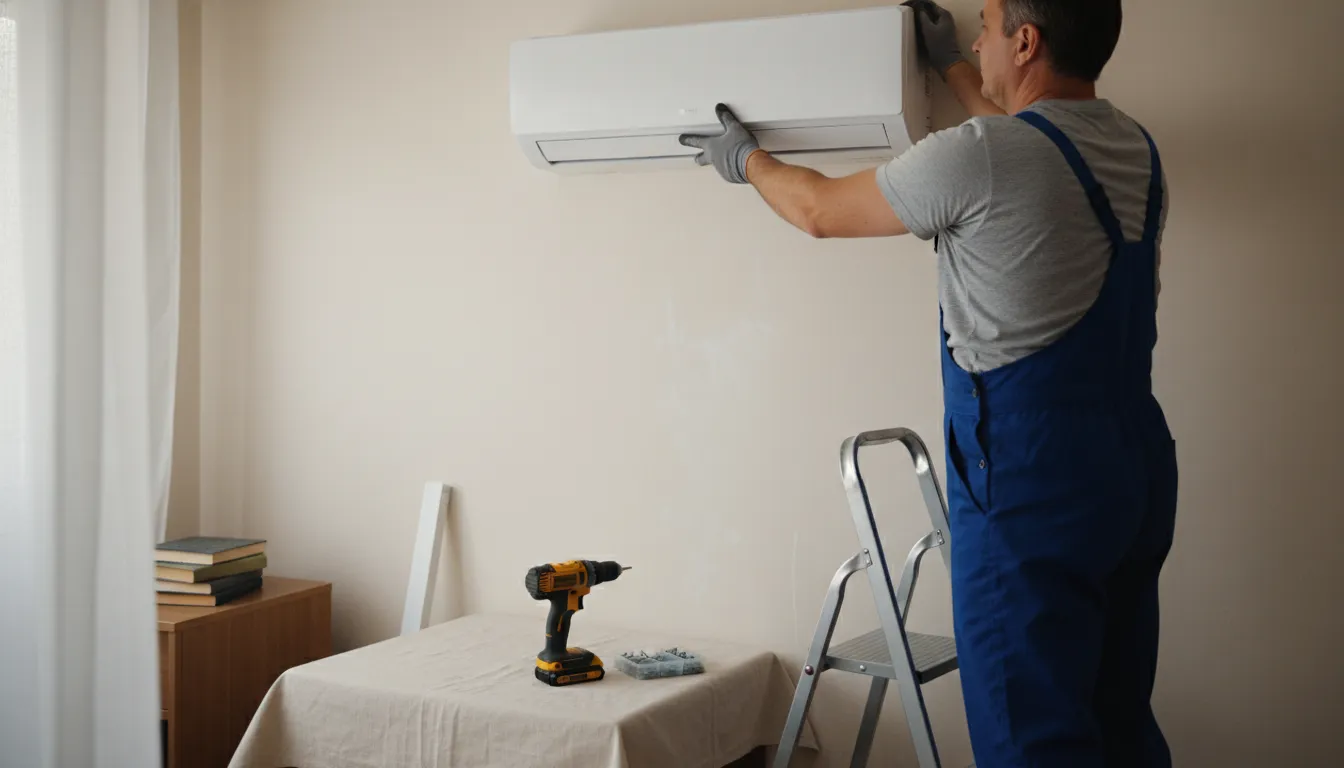
Find the Best AC Installation & Replacement Contractors for Your Business
No obligation • Fast responses • Nationwide coverage

Why you can trust HVAC Firms
HVAC Firms is a leading United States resource for evaluating HVAC service providers. Our team researches companies, checks credentials, and reviews customer feedback to present clear, unbiased information. Listings and rankings are based on merit, and companies cannot pay to change our editorial content.
Search providers near you
Best AC Installation & Replacement Contractors in Oklahoma Ranked
Keeping your home cool and comfortable during Oklahoma's intense summers requires a reliable, properly sized air conditioning system. Whether you're installing a new system in a home without one or replacing an old, inefficient unit, professional AC installation and replacement is a significant investment that directly impacts your comfort, energy bills, and indoor air quality. This guide explains the key considerations for Oklahoma homeowners, from choosing the right system type to understanding the installation process and costs, helping you make an informed decision when selecting a local service provider.
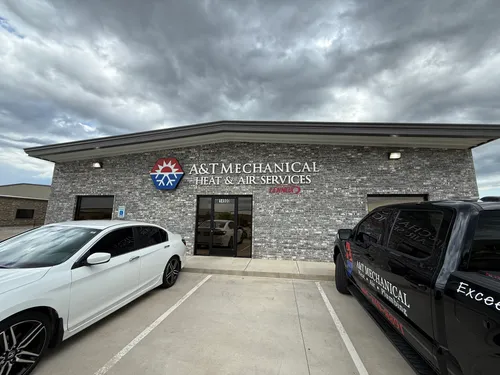
A&T Mechanical Heat&Air Services, Inc.
14900 Santa Fe Crossing Dr, Edmond, OK 73013
A&T Mechanical Heat&Air Services, Inc. is a family-owned HVAC contractor based in Oklahoma City, OK, with over 40 years of experience. They provide a wide range of services including air conditioning repair, furnace and heat pump installation and repair, as well as HVAC tune-ups for residential and commercial clients. Their certified technicians serve the greater Oklahoma City area and surrounding communities, offering comprehensive heating, cooling, electrical, and plumbing solutions. The company is known for managing statewide commercial HVAC systems and emphasizes regular maintenance to ensure system efficiency and code compliance.
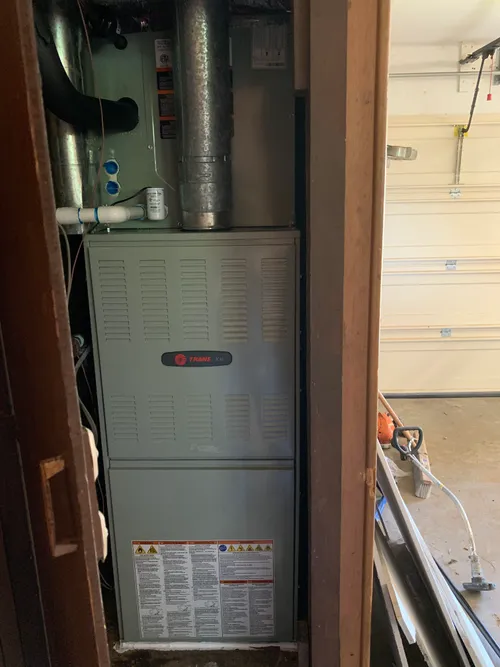
Ac Medic Heating and Air Conditioning
193 W N Centennial Way, Mustang, OK 73064
Ac Medic Heating and Air Conditioning is a family-owned HVAC company based in Mustang, serving Oklahoma City, OK, and nearby communities. They offer a range of services including air conditioner and furnace repair, installation, seasonal maintenance, and duct repair. The team is trained and tested to provide clear options without high-pressure sales tactics, helping customers make informed decisions about their heating and cooling needs.
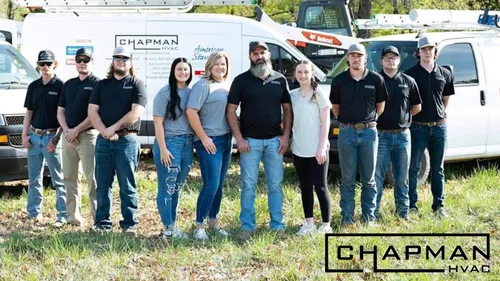
Chapman HVAC
51321 S 36400 Rd, Cleveland, OK 74020
Chapman HVAC is a licensed and insured HVAC company serving Tulsa, OK, and surrounding areas including Cleveland, Mannford, and Sand Springs. They provide a wide range of residential and commercial heating and air conditioning services, including repair, installation, and maintenance of furnaces, heat pumps, mini splits, geothermal systems, and refrigeration equipment. Their team is equipped to handle both heating and cooling needs with expertise in commercial air conditioning and heating solutions. Chapman HVAC offers 24/7 emergency HVAC services to ensure reliable comfort for their customers. With years of experience in the Cleveland area, they focus on delivering dependable HVAC solutions tailored to the specific needs of each client.
TemperaturePro
10404 E 55th Pl Suite Y, Tulsa, OK 74146
TemperaturePro is a locally owned and family-operated HVAC company serving Tulsa, OK. They provide comprehensive heating and cooling services including installation, repair, and maintenance for systems such as air conditioners, furnaces, heat pumps, boilers, and ductless mini splits. Their technicians also specialize in indoor air quality solutions, including air scrubbers and filtration systems. TemperaturePro offers 24/7 emergency service and supports a wide range of brands including Trane, Goodman, and Daikin. They emphasize transparent pricing and honest service to help customers maintain comfortable and efficient HVAC systems year-round.

Airbenders Heat and Air, Plumbing, Fireplaces
1818 Industrial Blvd, Norman, OK 73069
Airbenders Heat and Air, Plumbing, Fireplaces is a contractor based in Oklahoma City, OK, offering heating, air conditioning, plumbing, and fireplace services for both residential and commercial clients. They provide installation and repair services for HVAC systems, including furnaces and air conditioners, focusing on dependable solutions. The company emphasizes honest pricing and reliable workmanship in their projects.
Understanding Oklahoma's Climate and AC Needs
Oklahoma's climate presents unique challenges for cooling systems. Summers are characterized by prolonged periods of high heat and significant humidity, especially in the eastern part of the state. This combination means your air conditioner must work harder to both lower the temperature and remove moisture from the air.
An undersized unit will run constantly, struggling to reach the thermostat setting and driving up energy costs while failing to dehumidify properly. Conversely, an oversized unit will cool the space too quickly in short cycles, a problem known as short-cycling. This doesn't allow enough time to remove humidity, leaving your home feeling cool but clammy, and it puts excessive wear on the compressor, leading to premature failure. Therefore, a professional load calculation (Manual J) is not just a recommendation-it's essential for determining the correct BTU capacity for your specific Oklahoma home.
Types of Air Conditioning Systems for Oklahoma Homes
Choosing the right type of system depends on your home's layout, existing infrastructure, and cooling needs. The three most common options are:
Central Air Conditioning (Ducted Systems): This is the most common choice for homes with existing ductwork. It consists of an outdoor condenser unit and an indoor evaporator coil, typically installed on your furnace or air handler. It provides whole-house cooling through a network of ducts. This system is ideal for uniformly cooling larger, open-plan homes and is generally the most efficient option for such layouts when ducts are already in good condition.
Ductless Mini-Split Systems: These systems are excellent for homes without existing ducts, for room additions, or for providing zoned cooling. They involve one or more indoor air-handling units mounted on walls or ceilings, connected by refrigerant lines to an outdoor condenser. Each indoor unit can be controlled independently, allowing for customized comfort in different zones and potentially saving energy by not cooling unused rooms. They are also very efficient and often easier to install in retrofit situations than adding ductwork.
Packaged Units: In a packaged system, all components-the compressor, condenser, and evaporator-are housed in a single cabinet, usually placed on a rooftop or a concrete slab beside the home. Air ducts connect directly to this cabinet. These units are often used in commercial settings or homes with limited indoor space, as they simplify the installation process by containing everything in one place 1.
The Professional Installation Process: A Step-by-Step Overview
A proper air conditioner installation is a detailed process that ensures safety, efficiency, and longevity. Here's what you can expect when you hire a qualified professional:
- Initial Consultation and Load Calculation: A technician will assess your home, measuring square footage, evaluating insulation, windows, and door seals. They will perform a Manual J calculation to determine the precise cooling capacity (in BTUs) your home requires.
- System Selection and Proposal: Based on the assessment, the contractor will recommend a system type, size, and efficiency rating (SEER) that fits your home and budget. They will provide a detailed written estimate.
- Preparation and Permitting: The installer will obtain any necessary local building permits. They will prepare the site by ensuring clear access and setting up protective coverings for your home.
- Removal of Old Equipment: For replacements, the old outdoor condenser and indoor coil are safely disconnected, with refrigerant recovered according to EPA regulations, and removed from the property.
- Ductwork Evaluation and Modification: The existing ductwork is inspected for leaks, damage, and proper sizing. Necessary repairs, sealing, or modifications are made to ensure optimal airflow, which is critical for system efficiency and performance 2.
- New Unit Installation: The new outdoor condenser is placed on a stable, level pad. The indoor coil is installed onto the furnace or air handler. New refrigerant lines are run and insulated, and electrical connections are made to code.
- System Startup and Testing: Once everything is physically installed, the technician will charge the system with refrigerant, start it up, and perform a series of tests. They will check refrigerant levels, measure airflow at the vents, verify thermostat operation, and ensure the system is cycling correctly 3.
Find the perfect ac installation & replacement contractors for your needs
Get personalized recommendations and expert advice
How Long Does AC Installation Take?
The timeline for installing or replacing an air conditioner in Oklahoma varies based on the job's complexity.
- Simple Replacement (Swap-Out): If you're replacing a central AC unit with a similar model and no ductwork modifications are needed, the job can often be completed in one day, typically taking 6 to 10 hours 4.
- Full System Replacement (AC & Furnace): Replacing both the air conditioner and the furnace or air handler usually takes 1 to 2 full days (approximately 8-14 hours of labor) for a standard home.
- New Installation or Complex Jobs: Installing a brand-new system in a home without existing AC, or a job requiring extensive new ductwork, zoning dampers, or electrical upgrades, can take several days to a week to complete properly 5.
Cost Factors for AC Installation & Replacement in Oklahoma
The cost of a new air conditioning system in Oklahoma is influenced by several key factors. For a full HVAC system replacement (air conditioner and furnace) in a typical 2,000-2,500 square foot home, homeowners can expect a general range of $10,000 to $20,000, with an average often around $14,000 6 7 8.
Here's what drives the final price:
- System Size and Capacity: The required BTU output, determined by your home's size and characteristics, is the primary cost driver. Larger homes need larger, more expensive units.
- Efficiency Rating (SEER): The Seasonal Energy Efficiency Ratio measures cooling output divided by energy use. Higher SEER units (16+, up to 26+) cost more upfront but offer significantly lower monthly energy bills, a crucial consideration for Oklahoma's long cooling season.
- Equipment Type and Brand: Central air systems, ductless mini-splits, and packaged units have different price points. Premium brands with advanced features also command higher prices.
- Ductwork Modifications: If your existing ducts need sealing, resizing, or replacement, this adds substantial labor and material costs. Proper ductwork is non-negotiable for efficiency.
- Labor and Complexity: Installation difficulty, such as working in a tight attic or running new electrical lines, affects labor time and cost. The expertise and reputation of the installing contractor also influence the price.
- Additional Components: Upgrades like a high-efficiency air purifier, humidifier, or smart thermostat will increase the total project cost.
The Importance of Proper Sizing and Professional Installation
Never underestimate the value of correct sizing and expert installation. A system that is not sized according to a Manual J calculation will never perform optimally, leading to comfort issues, high energy costs, and reduced equipment life. Professional installation ensures that every step-from refrigerant handling and electrical work to airflow balancing-is done safely and to manufacturer specifications. This protects your warranty and provides peace of mind that your system will deliver reliable, efficient cooling for years to come.
Frequently asked questions
Sources
Footnotes
-
What Are the Different Types of Air Conditioners? - Bryant - https://www.bryant.com/en/us/products/air-conditioners/types/ ↩
-
Step-by-Step HVAC Installation Guide - Carrier - https://www.carrier.com/residential/en/us/products/air-conditioners/hvac-installation/ ↩
-
A Step-by-Step Guide to Air Conditioner Installation - https://candcheat.com/a-step-by-step-guide-to-air-conditioner-installation/ ↩
-
How Quick Is the AC Replacement Process in Tulsa? - True Blue ... - https://www.trueblueac.com/blog/how-quick-is-the-ac-replacement-process-in-tulsa/ ↩
-
HVAC Installation Timeline | Full Replacement Guide - https://smithbrothersheatandair.com/hvac-installation-time/ ↩
-
AC Installation Guide for Oklahoma Homes - https://calltripleplay.com/installation-for-new-ac-in-oklahoma/ ↩
-
How Much Does a New HVAC System Cost in 2025? - https://www.jacklehr.com/blog/air-conditioning-service/new-hvac-system-cost-2025/ ↩
-
AC Installation Cost in 2025: Full Pricing Guide - https://rrmechanicalsvs.com/cooling/how-much-does-ac-installation-cost-in-2025-a-complete-pricing-guide/ ↩