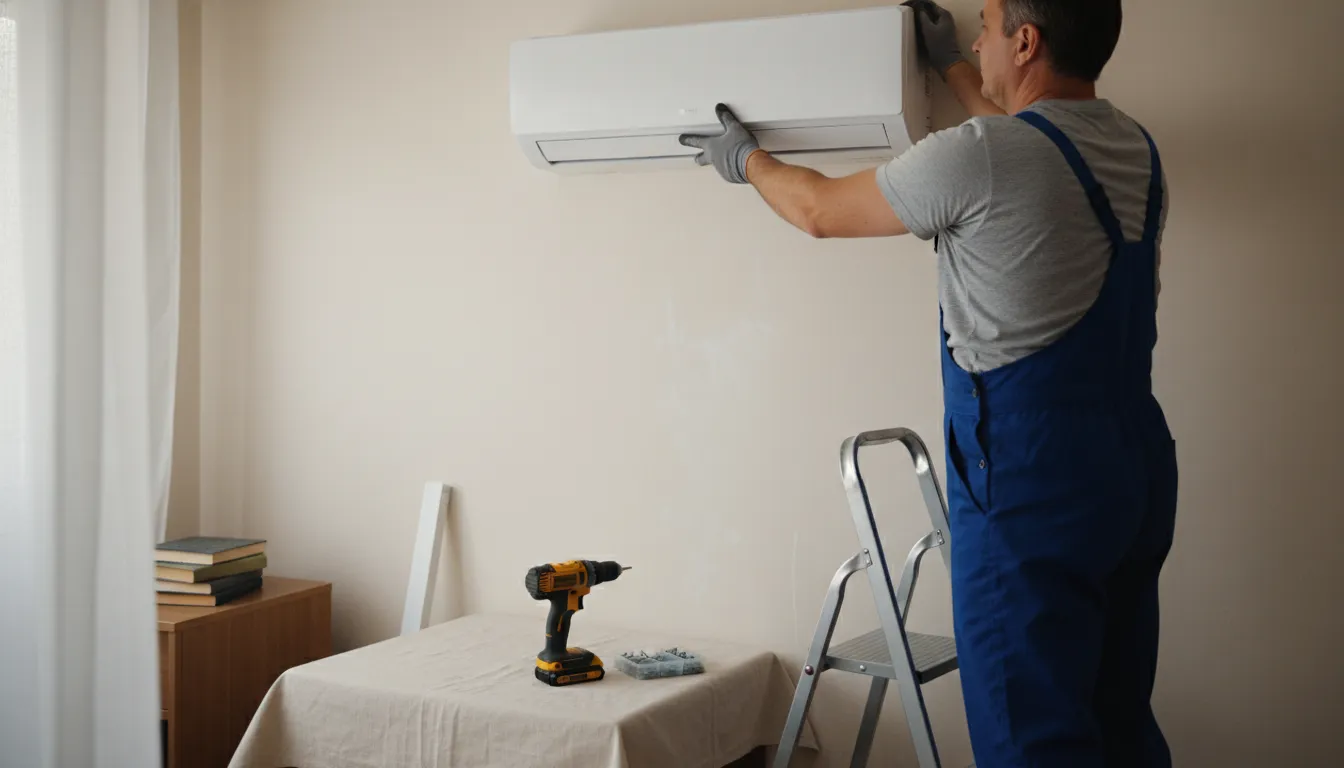
Find the Best AC Installation & Replacement Contractors for Your Business
No obligation • Fast responses • Nationwide coverage

Why you can trust HVAC Firms
HVAC Firms is a leading United States resource for evaluating HVAC service providers. Our team researches companies, checks credentials, and reviews customer feedback to present clear, unbiased information. Listings and rankings are based on merit, and companies cannot pay to change our editorial content.
Search providers near you
Best AC Installation & Replacement Contractors in Ohio Ranked
Installing or replacing an air conditioning system is a significant investment in your home's comfort, energy efficiency, and value. In Ohio's climate-with its humid summers and cold winters-choosing the right system and a qualified professional is crucial. This guide explains the key considerations for air conditioning installation in Ohio, from system types and costs to the installation process, helping you make an informed decision for your home.

K and K Heating and Cooling
4107 Brookpark Rd, Parma, OH 44134
K and K Heating and Cooling is a residential and commercial HVAC company serving Cleveland, OH, and the broader Northeast Ohio region. They provide a full range of heating and cooling services, including installation, repair, and maintenance of air conditioning and furnace systems. The company is known for servicing all major HVAC brands and offers a comprehensive system diagnosis. Their technicians are NATE-certified and committed to ongoing education to ensure skilled service. K and K Heating and Cooling also offers a 100% satisfaction guarantee on installations and strives for same-day repairs when parts are available.
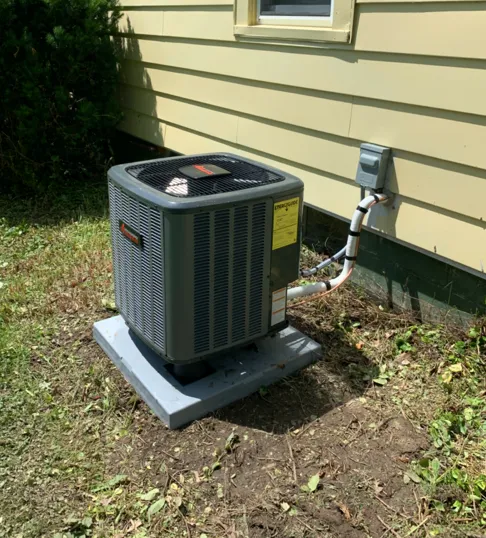
Lanigan Heating & Air Conditioning
1869 E 337th St, Eastlake, OH 44095
Lanigan Heating & Air Conditioning is a locally owned HVAC company serving Cleveland, OH. They provide a range of services including air conditioning and furnace installation, repair, and maintenance for both residential and commercial properties. Their capabilities include air duct inspection and cleaning to improve indoor air quality and reduce allergens. Lanigan Heating & Air Conditioning offers guarantees on parts, labor, and equipment to ensure customer satisfaction.
Foust Plumbing & Heating
321 W Bigelow Ave Suite 200, Plain City, OH 43064
Foust Plumbing & Heating is a family-owned HVAC and plumbing contractor serving Columbus, OH, and surrounding areas. They offer installation, repair, and maintenance services for air conditioning, furnaces, heat pumps, boilers, and geothermal heat pumps. With over 40 years of experience, they work with all major brands and provide emergency service availability. Their team is licensed, insured, and certified, focusing on transparent pricing and skilled workmanship.
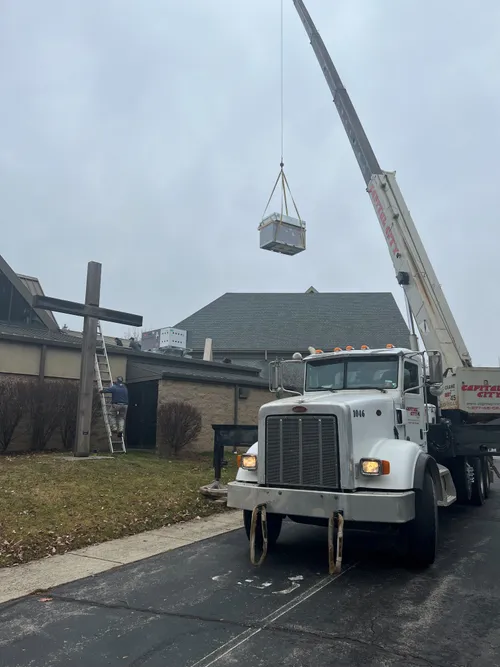
Right Way Heating and Cooling
2933 Donnylane Blvd, Columbus, OH 43235
Right Way Heating and Cooling is a family-owned HVAC company serving Columbus, OH, and surrounding areas including Franklin, Licking, and Ross counties. Founded in 2009, they offer a full range of heating and cooling services such as air conditioner, furnace, and heat pump installation and repair, as well as indoor air quality solutions like whole home air filtration and humidifiers. The company provides 24-hour emergency service to address urgent HVAC needs promptly and is staffed by NATE certified technicians.
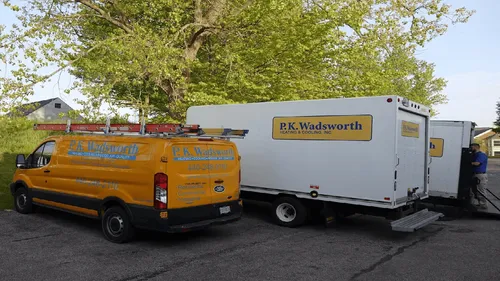
P.K. Wadsworth Heating & Cooling
Front Unit, 1658 Mentor Ave, Painesville Township, OH 44077
P.K. Wadsworth Heating & Cooling has been serving Cleveland, OH, and the surrounding areas since 1936. The company offers a range of HVAC services including air conditioning and furnace repair, installation, and tune-ups, as well as water heater services. Their experienced technicians handle repairs, replacements, and maintenance to ensure efficient heating and cooling systems year-round. With over 80 years of experience, they provide reliable plumbing services including water heater repair and fixture replacement.
Understanding Ohio's Climate and Your Cooling Needs
Ohio's weather presents unique challenges for home cooling. Summers can be hot and notably humid, placing a premium on systems that effectively remove moisture from the air. Winters are cold, which is an important factor if you're considering a heat pump, a system that provides both heating and cooling. The right air conditioner for your Ohio home must balance efficient cooling with effective dehumidification and, potentially, year-round climate control.
Key climate considerations include:
- Humidity Control: Basic single-stage air conditioners cycle on and off at full power, which can leave indoor air feeling clammy. Multi-stage or modulating (variable-speed) systems run longer at lower speeds, removing significantly more humidity and providing more consistent comfort.
- Year-Round Solutions: For homes looking to replace both a furnace and an air conditioner, a heat pump paired with a gas furnace (a dual-fuel system) can be an excellent choice for Ohio. The heat pump handles moderate temperatures efficiently, while the furnace takes over during extreme cold, optimizing energy use and comfort.
- Energy Efficiency: The efficiency of central air conditioners and heat pumps is measured by the SEER2 (Seasonal Energy Efficiency Ratio) rating. As of 2025, the federal minimum is 14.3 SEER2 in the North, but systems are available up to 20+ SEER2. A higher SEER2 rating means lower utility bills, though it comes with a higher upfront cost.
Types of Air Conditioning Systems for Ohio Homes
Several types of cooling systems are commonly installed in Ohio residences. The best choice depends on your home's existing infrastructure, budget, and comfort goals.
Central Air Conditioning (Split Systems)
This is the most common type of whole-home cooling system in Ohio. It consists of an outdoor condenser unit and an indoor evaporator coil, typically installed with your furnace. It uses the home's existing ductwork to distribute cool air.
- Single-Stage: The most affordable option. It operates at 100% capacity when on and shuts off when the temperature is reached. It's less efficient at dehumidification than more advanced models.
- Multi-Stage (Two-Stage): Operates at a high (often ~70%) and a low (often ~30%) capacity. It runs longer at the lower stage, improving humidity removal, efficiency, and comfort consistency.
- Modulating/Variable-Speed: The premium option. It can adjust its output in small increments from about 40% to 100% capacity. This provides the ultimate in temperature and humidity control, quiet operation, and energy efficiency 1.
Heat Pumps
A heat pump is essentially an air conditioner that can run in reverse to provide heat. For Ohio's climate, they are an efficient solution for both cooling and heating, especially in spring and fall. For the coldest winter days, they are often paired with a backup gas or electric furnace in a dual-fuel configuration.
Ductless Mini-Split Systems
These systems are ideal for homes without existing ductwork, room additions, or for creating zoned comfort in specific areas. An outdoor unit connects to one or more indoor wall-mounted units via a small refrigerant line. They offer individual room control and high efficiency but may not be the most cost-effective solution for cooling an entire large, multi-room home.
The AC Installation & Replacement Process: What to Expect
A professional air conditioning installation is a multi-step process that ensures your system is safe, efficient, and code-compliant.
- Initial Consultation and Load Calculation: A qualified technician will assess your home's size, insulation, windows, and layout. They perform a Manual J load calculation to determine the precise cooling capacity (in tons) your home needs-not an estimate based on square footage alone. An oversized or undersized unit will lead to comfort issues, higher costs, and premature wear 2.
- System Selection and Proposal: Based on the assessment, the contractor will recommend system types, sizes, and efficiency levels that fit your home and budget. You should receive a detailed, written proposal outlining equipment models, labor scope, warranty, and total cost.
- Scheduling and Permitting: Once you approve the proposal, the company will schedule the installation and pull any required local building or electrical permits. Permitting ensures the work meets safety codes.
- Installation Day(s): A professional crew will typically complete a full system replacement in 1-3 days. Steps include:
- Safely removing the old outdoor condenser and indoor coil.
- Installing the new outdoor unit on a stable, level pad.
- Installing the new indoor evaporator coil onto the furnace or air handler.
- Connecting refrigerant linesets and ensuring they are properly sealed and insulated.
- Updating electrical connections and installing a new disconnect box if needed.
- Installing a new programmable or smart thermostat.
- Inspecting, sealing, and possibly modifying existing ductwork to ensure optimal airflow.
- Testing, Startup, and Customer Orientation: The final and most critical step. The technician will start the system, check refrigerant charge, test all electrical components, verify airflow, and ensure the thermostat is programmed correctly. They will then walk you through basic operation, maintenance tasks (like changing filters), and explain your new system's warranties 3.
Find the perfect ac installation & replacement contractors for your needs
Get personalized recommendations and expert advice
Cost Factors for AC Installation in Ohio
The cost of a new air conditioning system in Ohio varies widely based on several factors. The figures below are estimates for a full central AC system replacement, including a new furnace (a very common project), as of 2025.
- System Type and Efficiency: This is the primary cost driver.
- Good (Basic Single-Stage System): $5,000 - $8,000. This range typically covers a 14-15 SEER2 system, providing reliable, code-compliant cooling.
- Better (Multi-Stage System): $7,000 - $10,000. A 16-17 SEER2 two-stage system offers noticeably better comfort, humidity control, and energy savings 4.
- Equipment Size: An accurately sized unit (e.g., 2-ton, 3-ton, 4-ton) is essential. Larger capacity units cost more.
- Brand: Premium brands often command a higher price than standard brands, though installation quality is generally more important than the brand name itself.
- Labor and Complexity: The condition of your existing ductwork, electrical service, and the physical accessibility of the installation site can impact labor costs. Homes that require significant duct modifications, new electrical circuits, or complex retrofits will see higher costs 7.
- Ductless Mini-Split Costs: A single-zone mini-split system (one outdoor unit, one indoor head) typically ranges from $3,000 to $5,500 installed. Multi-zone systems cost more but provide zoned cooling for multiple rooms 8 9.
How to Choose a Qualified Ohio HVAC Contractor
Your investment is only as good as the installation. A poor installation can reduce system efficiency by 30% or more, regardless of the equipment's rated SEER2 10.
- Verify Licenses and Insurance: Ensure the company holds an active Ohio HVAC license and carries both liability and workers' compensation insurance.
- Check Reviews and References: Look for consistently positive reviews on independent platforms and ask for references from recent installations similar to yours.
- Get Detailed, Written Estimates: Obtain at least three written proposals that specify equipment model numbers, efficiency ratings, labor scope, warranty details (both manufacturer and labor), and a complete breakdown of costs.
- Ask About the Load Calculation: A reputable contractor will always perform a Manual J calculation; be wary of those who size a system based solely on your old unit's size or your home's square footage.
- Understand Warranties: Clarify what is covered by the manufacturer's warranty (typically 10 years on compressors, 5-10 years on parts) and what labor warranty the installer provides (often 1-2 years, sometimes longer).
Timelines and Best Time to Schedule
The entire process from initial call to completed installation can take anywhere from a few days to several weeks, depending on the season.
- Consultation & Quote: 1-2 days to schedule and complete.
- Permitting: Can vary from same-day to a week or more, depending on your local municipality.
- Installation: 1-3 days for a standard central system replacement.
- Scheduling Delays: The busiest times for HVAC companies are the first major heatwave of summer and the first cold snap of winter. For the best selection and scheduling, consider planning your replacement in the spring or fall 11.
Frequently asked questions
Sources
Footnotes
-
Central Air Upgrade: When to Replace (2025) - https://www.tcmemt.com/post/central-air-system-upgrade-when-to-replace-and-why-it-matters ↩
-
Step-by-Step HVAC Installation Guide - Carrier - https://www.carrier.com/residential/en/us/products/air-conditioners/hvac-installation/ ↩
-
Air Conditioning Installation: A Step-by-Step Process - https://nexgenairandplumbing.com/blog/air-conditioning-installation-a-step-by-step-process/ ↩
-
How Much Does an Air Conditioner Cost for a 2000-Square-Foot Home? - https://www.thisoldhouse.com/heating-cooling/air-conditioner-cost-for-2000-square-foot-home ↩
-
AC Installation Costs Explained: What You're Really Paying For - https://indoortemp.com/resources/ac-installation-costs-central-ohio ↩
-
How Much Does a New HVAC System Cost in 2025? - https://www.jacklehr.com/blog/air-conditioning-service/new-hvac-system-cost-2025/ ↩
-
Air Conditioning Installation Costs: Columbus, Ohio Insights - https://ohheating.com/hvac/air-conditioning-installation-costs-columbus-ohio-insights/ ↩
-
Columbus, OH Ductless Mini Split Installation - https://cwaohio.com/products/ductless-systems/ ↩
-
How Much Does AC Installation Cost in 2025? - https://www.fixr.com/costs/air-conditioner-installation ↩
-
AC Replacement Ohio: Smart Savings 2025 - https://www.careheatingcooling.com/ac-replacement-ohio-guide/ ↩
-
Faqs About Air Conditioning Installation Answers To Your Questions - https://geteco.com/cincinnati-oh/blog/faqs-about-air-conditioning-installation-answers-to-your-questions/ ↩