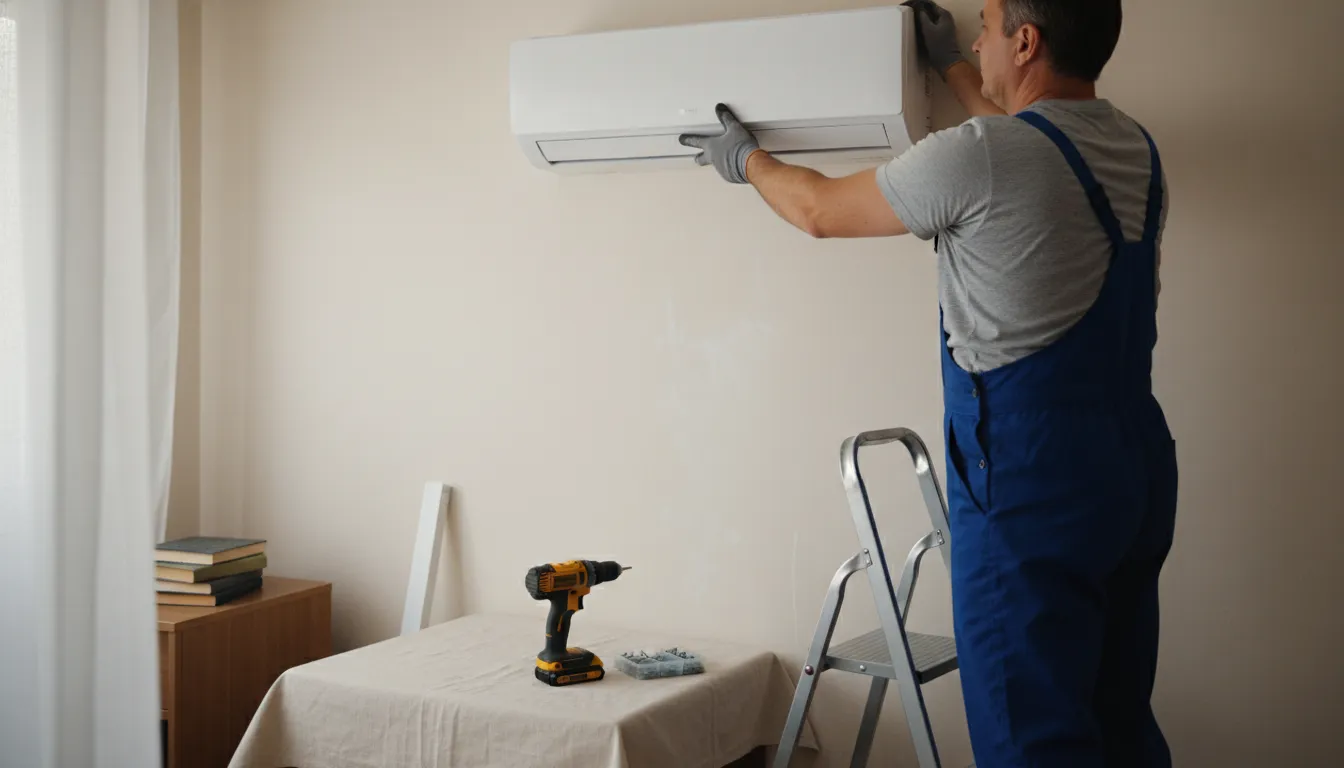
Find the Best AC Installation & Replacement Contractors for Your Business
No obligation • Fast responses • Nationwide coverage

Why you can trust HVAC Firms
HVAC Firms is a leading United States resource for evaluating HVAC service providers. Our team researches companies, checks credentials, and reviews customer feedback to present clear, unbiased information. Listings and rankings are based on merit, and companies cannot pay to change our editorial content.
Search providers near you
Best AC Installation & Replacement Contractors in Nebraska Ranked
A new air conditioning installation or replacement is a significant investment in your Nebraska home's comfort and efficiency. With the state's extreme summer heat and humidity, choosing the right system and ensuring it's installed correctly is crucial for reliable cooling and manageable energy bills. This guide explains the key considerations, process, and options for Nebraska homeowners, helping you make an informed decision when connecting with local service professionals.
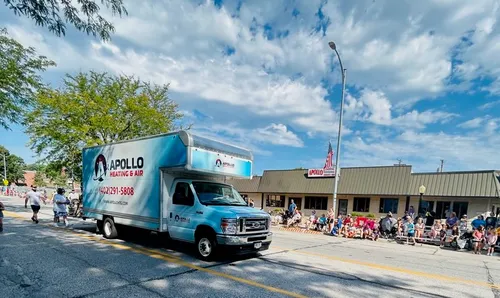
Apollo Heating & Air Conditioning
114 W Mission Ave, Bellevue, NE 68005
Apollo Heating & Air Conditioning is a family-owned HVAC company serving Omaha, NE, and the surrounding areas including southeast Nebraska and southwest Iowa. Established in 1971, they provide a wide range of heating and cooling services such as furnace, heat pump, and air conditioning installation, repair, and maintenance. The company is a Lennox Premier Dealer but works on all makes and models. They also offer specialized services including geothermal heat pump installation, ductless mini-split systems, custom sheet metal fabrication, and indoor air quality solutions. Apollo Heating & Air Conditioning supports both residential and commercial clients with comprehensive HVAC solutions.
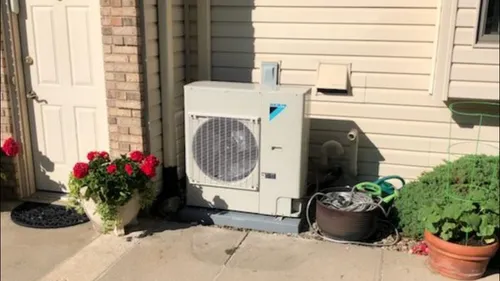
Air Care
15125 Irene St, Omaha, NE 68138
Air Care is a full-service HVAC company serving Omaha, NE, and Council Bluffs. They provide residential and commercial heating, ventilation, and air conditioning services including installation, maintenance, and repair of air conditioners, furnaces, and indoor air quality systems. Air Care is an authorized Daikin and AprilAire dealer with over 20 years of experience. They offer thorough HVAC tune-ups and air quality analysis to ensure safe and efficient system operation.
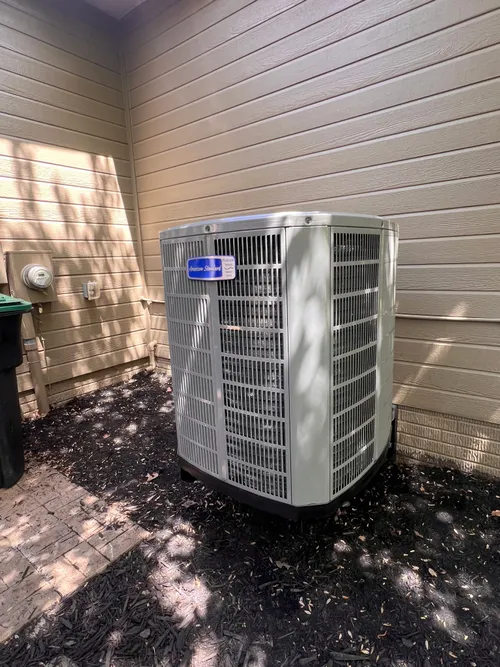
Sustainable
206 E Grant St, Papillion, NE 68046
Sustainable is an HVAC company based in Omaha, NE, offering installation, repair, and replacement services for air conditioners, furnaces, heat pumps, and boilers. They focus on seamless HVAC system installations and efficient repairs to maintain indoor comfort. Sustainable Mechanical Inc. emphasizes sustainable and energy-efficient solutions to improve system performance and contribute to energy savings. Their team is fully licensed and experienced in all aspects of HVAC services in the Omaha area.
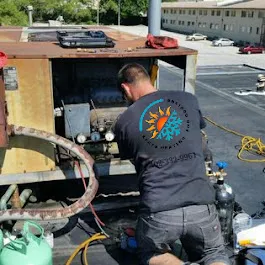
Keats Heating and Cooling
14465 Gilder Ave, Bennington, NE 68007
Keats Heating and Cooling is a locally owned HVAC company based in Omaha, NE, offering heating and air conditioning repair, installation, and maintenance services. Serving Omaha and surrounding communities, they provide expertise in furnace, heat pump, and air conditioning systems. The company has been operating since 2015 and offers 24/7 emergency HVAC repair services to address urgent heating and cooling needs.
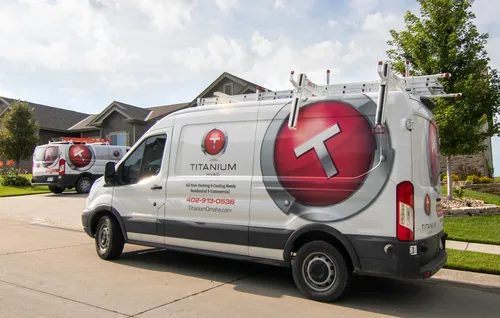
Titanium HVAC
4428 S 139th St, Omaha, NE 68137
Titanium HVAC provides residential and commercial heating and cooling services in Omaha, NE. They specialize in installation, repair, and maintenance of HVAC systems, including ductless mini splits. The company focuses on thorough problem-solving to ensure lasting fixes rather than temporary repairs. Titanium HVAC serves both new construction and existing buildings, aiming to keep customers comfortable despite Omaha's challenging weather.
Understanding Your AC System Options in Nebraska
Nebraska's climate, characterized by hot, humid summers and cold winters, demands versatile and efficient cooling solutions. The three primary types of residential air conditioning systems installed in the state are:
- Central Air Conditioning: This is the most common system for whole-home cooling in Nebraska. It uses a network of ducts to distribute cool air from a central indoor unit (like a furnace coil) and an outdoor condenser. It's ideal for homes with existing ductwork and provides consistent, whole-house comfort.
- Ductless Mini-Split Systems: These systems provide zoned cooling, with individual indoor air handlers mounted on walls or ceilings connected to an outdoor unit. They are excellent for home additions, sunrooms, older homes without ducts, or for adding efficient cooling to specific areas. They offer high efficiency and flexible control.
- Packaged Units: All components are housed in a single cabinet, typically installed on the ground outside or on the roof. These are often used in homes without basements or attics where space for separate indoor components is limited 1.
Key Factors for Nebraska Homeowners
Two of the most critical decisions you'll make involve the efficiency and the size of your new AC unit.
Prioritize High SEER2 Ratings: SEER2 (Seasonal Energy Efficiency Ratio 2) is the updated standard for measuring air conditioner efficiency. Given Nebraska's long, hot cooling seasons, investing in a unit with a higher SEER2 rating (e.g., 16 or above) can lead to substantial long-term savings on your energy bills, even with a higher initial cost. Modern, efficient systems are better equipped to handle peak summer temperatures while using less electricity.
The Critical Importance of Proper Sizing: An air conditioner must be correctly sized for your home's specific cooling load-a calculation that considers square footage, insulation, window types, and local climate. In Nebraska's variable climate, an oversized unit will cycle on and off too frequently, failing to dehumidify properly and causing unnecessary wear. An undersized unit will run constantly, struggling to cool your home on the hottest days and driving up energy costs 2. A professional should always perform a Manual J load calculation to determine the precise tonnage needed.
Find the perfect ac installation & replacement contractors for your needs
Get personalized recommendations and expert advice
The Professional Installation Process
A proper installation is as important as the equipment itself. A high-quality professional installation typically follows these steps:
- Initial Assessment and Load Calculation: A technician will evaluate your home and perform a Manual J calculation to determine the correct system size. They will also inspect existing ductwork for leaks or insulation issues.
- Permitting: Most Nebraska municipalities require a permit for a new AC installation. A reputable professional will handle pulling the necessary permits.
- Removal of Old Equipment: The old outdoor condenser and indoor coil are safely disconnected and removed, with refrigerant recovered according to EPA regulations.
- New Unit Installation: The new outdoor condenser and indoor evaporator coil are set in place. New refrigerant lines (line sets) are often installed, and electrical connections are updated to meet the new unit's requirements. A new condensate drain line is also configured.
- Ductwork Evaluation and Sealing: The existing ductwork is inspected. Any necessary repairs, sealing of leaks, or adding insulation is performed to ensure efficient airflow.
- System Testing and Commissioning: The system is charged with the correct type and amount of refrigerant. All electrical components, safety controls, and the thermostat are calibrated and tested. The technician will measure airflow and temperature drop to ensure the system is operating at peak performance before finalizing the job 3.
Timeline and Scheduling
The physical removal and installation of a standard central air system can often be completed in one day, though complex jobs or duct modifications may extend it to two days 4. The preparatory work-site evaluation, equipment selection, and permitting-adds time before the installation date.
A smart strategy for Nebraska homeowners is to schedule replacement in the spring or fall. Booking during these off-peak seasons can make it easier to secure a timely appointment and may sometimes offer cost advantages compared to the high-demand summer months when emergency breakdowns are common 5.
Understanding Investment Ranges
The total cost for a new air conditioning system in Nebraska varies based on several factors. For a central air system, which is common in the state, homeowners can expect a broad range:
- Standard to Mid-Range Systems: Typically between $8,000 and $12,000. This range often covers a properly sized, single-stage or two-stage unit with a good SEER2 rating (e.g., 16-18 SEER2), including professional installation.
- High-Efficiency Systems: Prices often range from $12,000 to $14,000 or more. This tier includes top-tier brands, variable-speed compressors, and the highest SEER2 ratings (20+), which deliver maximum energy savings and comfort control 6 7 8.
Key factors influencing the final price include the unit's size (tonnage), SEER2 rating, brand, the complexity of the installation (e.g., accessibility, need for new electrical service or ductwork), and your specific location within Nebraska.
Frequently asked questions
Sources
Footnotes
-
What Are the Different Types of Air Conditioners? - Bryant - https://www.bryant.com/en/us/products/air-conditioners/types/ ↩
-
How Much Does it Cost to Replace an AC Unit? - https://temperatureproaustin.com/cost-to-replace-ac-unit/ ↩
-
Air Conditioning Installation: A Step-by-Step Process - https://nexgenairandplumbing.com/blog/air-conditioning-installation-a-step-by-step-process/ ↩
-
Step-by-Step HVAC Installation Guide - Carrier - https://www.carrier.com/residential/en/us/products/air-conditioners/hvac-installation/ ↩
-
Nebraska AC Replacement - Snell Services - https://www.snellservices.com/hvac-services/ac-replacement/ ↩
-
Air Conditioning Installation in Omaha, NE - https://www.justcallburton.com/air-conditioning/new-ac-systems/ ↩
-
How Much Does AC Replacement Cost? (2026) - HomeGuide - https://homeguide.com/costs/install-ac-unit-cost ↩
-
How Much Does an Air Conditioner Cost for a 1,000-Square-Foot Home? - https://www.thisoldhouse.com/heating-cooling/air-conditioner-cost-for-1000-square-foot-home ↩