Find the Best AC Installation & Replacement Contractors for Your Business
No obligation • Fast responses • Nationwide coverage

Why you can trust HVAC Firms
HVAC Firms is a leading United States resource for evaluating HVAC service providers. Our team researches companies, checks credentials, and reviews customer feedback to present clear, unbiased information. Listings and rankings are based on merit, and companies cannot pay to change our editorial content.
Search providers near you
Best AC Installation & Replacement Contractors in Montana Ranked
Installing or replacing an air conditioning system is a significant investment in your Montana home's comfort and value. Given the state's unique climate-with hot, dry summers and long, cold winters-choosing the right system and a qualified installer is crucial. This guide explains the key considerations for AC installation and replacement in Montana, helping you understand your options, the process, and what to expect so you can make an informed decision for your home.
Understanding Montana's Climate and Cooling Needs
Montana's climate presents specific challenges for home cooling. While summers can bring intense heat, especially in eastern regions, the primary heating season is long. This makes system efficiency a top priority year-round. A well-chosen system not only keeps you cool in July but can also contribute to lower overall energy bills. The Montana Department of Environmental Quality (DEQ) emphasizes energy efficiency in residential systems, which aligns with choosing high-performance cooling equipment. Proper sizing and installation are critical; an oversized unit will short-cycle, failing to dehumidify properly, while an undersized unit will struggle on the hottest days.
Common AC System Types for Montana Homes
Selecting the right type of air conditioning system depends on your home's existing infrastructure, layout, and your comfort goals.
Central Air Conditioning (Split Systems)
This is the most common setup, especially in homes with existing forced-air furnace ductwork. A split system has an outdoor condenser unit and an indoor evaporator coil, typically installed in the furnace plenum. It uses the existing duct network to distribute cool air throughout the home. This is often the most straightforward replacement option if you already have ducts and a compatible furnace.
Ductless Mini-Split Systems
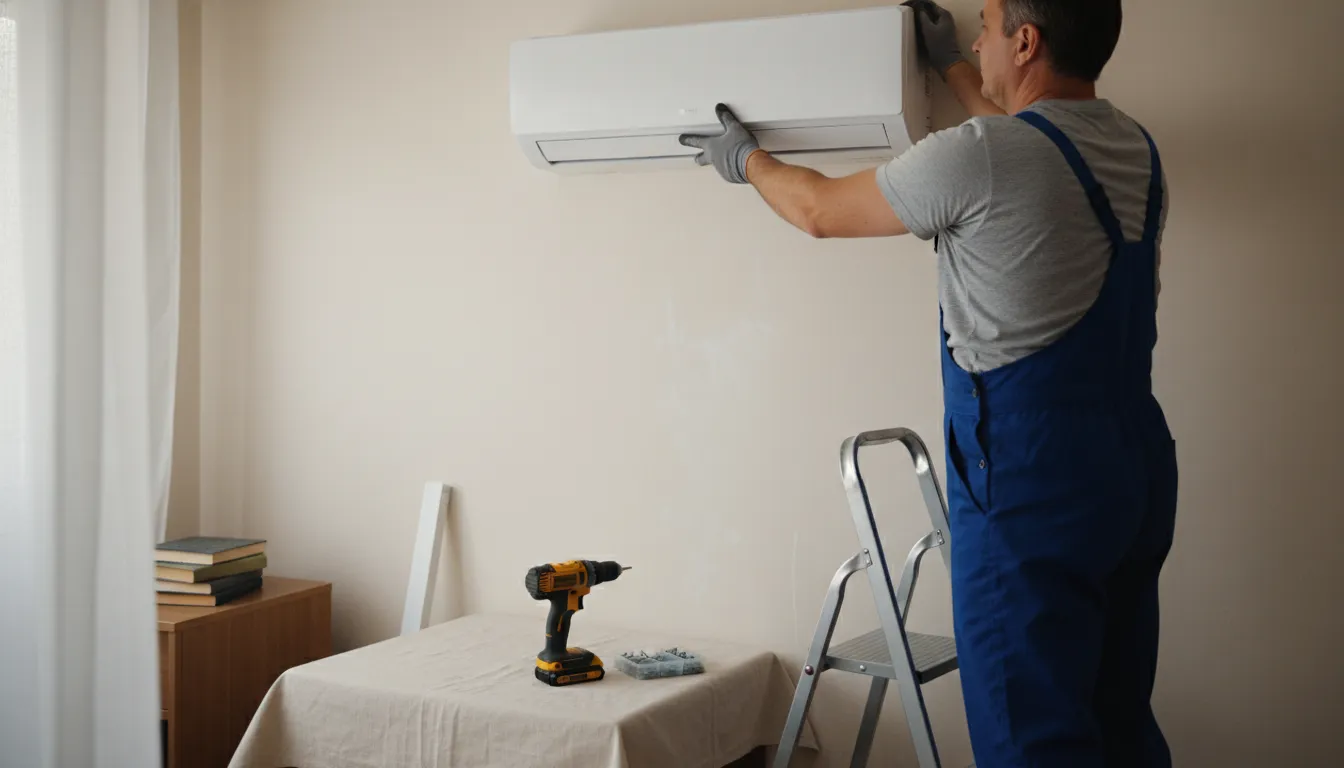
Ideal for homes without existing ductwork, for room additions, or for providing zoned cooling. A mini-split system has one outdoor condenser connected to one or more indoor air-handling units mounted on walls or ceilings. They are highly efficient and allow you to control temperatures in individual rooms. This can be a cost-effective solution for older Montana homes or for targeting specific hot spots 1.
Heat Pumps
Increasingly popular in Montana, heat pumps are a versatile choice. They function as an air conditioner in summer and a highly efficient heater in winter by extracting warmth from the outside air. Modern cold-climate heat pump models are designed to operate effectively in Montana's sub-freezing temperatures, providing year-round comfort from a single system. The DEQ notes their growing role in meeting energy codes and efficiency goals.
The AC Installation & Replacement Process
A professional installation follows a detailed sequence to ensure safety, efficiency, and reliability.
- Initial Assessment and Load Calculation: A technician will evaluate your home's size, insulation, window orientation, and other factors to perform a Manual J load calculation. This determines the precise cooling capacity (in BTUs) your home needs-the most critical step for comfort and efficiency.
- System Selection and Permitting: Based on the assessment, you'll choose a system type, brand, and efficiency rating. Your contractor will handle pulling any required local building or electrical permits.
- Preparation and Removal: For replacements, the old outdoor and indoor units are safely removed, and the site is prepped. Refrigerant from the old system must be recovered according to EPA regulations.
- New Equipment Installation: The new outdoor condenser is placed on a stable pad. Indoors, the new evaporator coil is installed in the furnace or air handler. New refrigerant lines are run and connected between the units 2.
- Electrical and Ductwork Modifications: New electrical wiring and disconnects are installed to power the unit. If installing a new central system, ductwork may need to be modified, sealed, or installed entirely, which is a significant part of the project scope.
- System Testing and Startup: The technician evacuates moisture and air from the lines, charges the system with the correct amount of refrigerant, and tests all components. They will ensure the system cycles properly, check airflow, and verify thermostat operation.
- Cleanup and Homeowner Walkthrough: The work area is cleaned up, and the installer explains the system's operation, maintenance requirements, and warranty details to you.
Find the perfect ac installation & replacement contractors for your needs
Get personalized recommendations and expert advice
Factors Influencing Cost in Montana
The cost for AC installation or replacement in Montana varies widely based on several key factors. Understanding these can help you interpret estimates.
- System Type and Size: A basic central AC replacement will cost less than a full heat pump system or a multi-zone ductless mini-split installation. The system's capacity, measured in tons, directly impacts price 3.
- Efficiency Rating: Systems with higher Seasonal Energy Efficiency Ratio (SEER) ratings cost more upfront but offer lower operating costs. Montana's climate makes a high-efficiency unit a worthwhile consideration for long-term savings 4.
- Ductwork: This is often the largest variable. Installing a central system in a home without existing ducts can double or triple the project cost compared to a simple replacement. Even with existing ducts, modifications, sealing, and insulation may be needed.
- Equipment Brand: Premium brands often command a higher price than standard-tier equipment.
- Labor and Complexity: Installation difficulty-such as working on a steep roof, in a tight mechanical room, or requiring extensive electrical upgrades-will affect labor costs 5.
Estimated Cost Ranges (2025)
As a general guide, based on current industry data:
- Central AC Replacement (with existing ductwork): $5,500 - $16,000+ 6 7.
- New Central AC System (including ductwork installation): $7,000 - $20,000+, heavily dependent on home size and layout 8.
- Ductless Mini-Split System (single-zone): $3,500 - $8,000+; multi-zone systems are more 9.
- Heat Pump System (replacement or new): Often aligns with or exceeds central AC costs, depending on the model's capabilities.
Always get detailed, written estimates that break down equipment, labor, and materials.
Why Professional Installation is Non-Negotiable
In Montana, a professional installation is critical for performance, warranty, and safety.
- Ensures Efficiency and Longevity: Proper sizing, refrigerant charge, and airflow are technical tasks. Mistakes lead to high energy bills, frequent repairs, and a shortened system life.
- Protects Manufacturer Warranty: Most equipment manufacturers require installation by a licensed, certified technician to validate the warranty. A DIY job could void coverage on expensive components.
- Compliance with Codes: Installers ensure the work meets all Montana and local building, electrical, and mechanical codes, which is essential for safety and insurance.
- Handles Refrigerant Legally: EPA certification is required to handle refrigerants. Professionals have the tools and knowledge to do this safely and legally 10.
Timelines for Installation
Project duration depends on the scope:
- Straightforward Replacement: If replacing a central AC unit with a similar model and no ductwork changes, the job can typically be completed in 1 to 3 days.
- New System with Ductwork: Installing a full system, including new ducts, can take a week or more, depending on the home's complexity and the crew's size.
- Ductless Mini-Split Installation: A single-zone install is often a 1-day job, while multi-zone systems may take 2-3 days.
Planning ahead, especially before the peak summer season, can help ensure your installer is available and that materials are in stock.
Frequently asked questions
Sources
Footnotes
-
HVAC Installation | Stevensville, & Bitterroot Valley, Montana | M&L Heating & Cooling, Inc - https://www.mandlhvac.com/hvac-installation ↩
-
Main Components of an HVAC System | Key Parts Explained - https://www.kjheatingandair.com/main-components-of-hvac-systems ↩
-
What is The Cost of AC Installation? - https://platinumheatingmi.com/what-is-the-cost-of-ac-installation/ ↩
-
Residential Energy Code and Energy Efficiency | Montana DEQ - https://deq.mt.gov/energy/Programs/code ↩
-
Step-by-Step HVAC Installation Guide - Carrier - https://www.carrier.com/residential/en/us/products/air-conditioners/hvac-installation/ ↩
-
Quick Guide to Bozeman Air Conditioning Installation - https://mountainheating.com/quick-guide-to-bozeman-air-conditioning-installation/ ↩
-
Central AC Unit Installation Costs: How Much You'll Spend to Keep Cool - https://realestate.usnews.com/real-estate/articles/central-ac-installation-how-much-youll-spend-to-keep-cool ↩
-
New HVAC System Cost Calculator: Get a Custom Estimate in 2026 - https://modernize.com/hvac/cost-calculator ↩
-
Essential Guide to Replacing Your Central Air System in 2025 - https://www.tcmemt.com/post/central-air-conditioning-system-replacement-essential-guide-for-spring-2025-upgrades ↩
-
Air Conditioning Installation: A Step-by-Step Process - https://nexgenairandplumbing.com/blog/air-conditioning-installation-a-step-by-step-process/ ↩