Find the Best AC Installation & Replacement Contractors for Your Business
No obligation • Fast responses • Nationwide coverage

Why you can trust HVAC Firms
HVAC Firms is a leading United States resource for evaluating HVAC service providers. Our team researches companies, checks credentials, and reviews customer feedback to present clear, unbiased information. Listings and rankings are based on merit, and companies cannot pay to change our editorial content.
Search providers near you
Best AC Installation & Replacement Contractors in Missouri Ranked
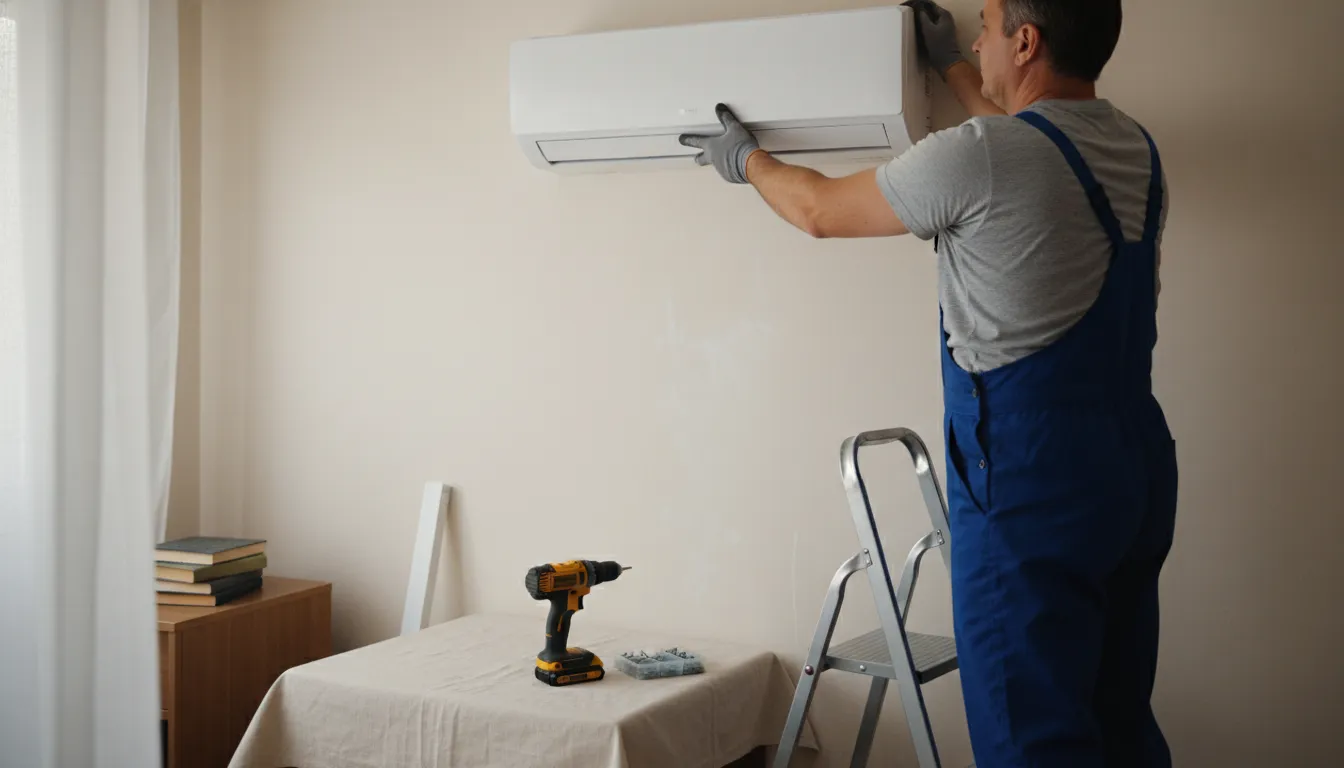
Installing or replacing an air conditioning system is a significant investment in your Missouri home's comfort, efficiency, and value. With the state's hot, humid summers, choosing the right system and ensuring it's professionally installed is crucial for reliable cooling and manageable energy bills. This guide provides a detailed overview of the process, costs, and key considerations to help you navigate finding a qualified local professional for your AC installation or replacement project.

Seliga Heating and Cooling
6211 Gravois Ave, St. Louis, MO 63116
Seliga Heating and Cooling is a fourth-generation family-owned HVAC business serving St. Louis, MO. They offer residential and commercial sales, service, and installation of heating and air conditioning equipment. The company employs highly trained NATE certified technicians and licensed mechanical pipefitters to handle air conditioning installation, furnace repair, and other HVAC services. Established in 1927, Seliga Heating and Cooling has a long history of serving the local community.
Air Care
10332 W 79th St, Shawnee, KS 66214
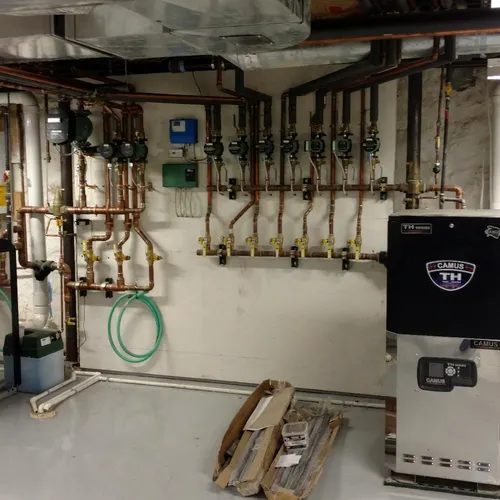
Air Care is an HVAC company serving Kansas City, MO, and the surrounding Shawnee area. Established in 1981, they provide a wide range of heating and cooling services including installation, repair, and maintenance of furnaces, air conditioners, boilers, mini-splits, and geothermal heat pumps. Their NATE-certified technicians handle both residential and light commercial work, with capabilities in duct design and indoor air quality services. Air Care offers 24/7 emergency repair service to address urgent heating or cooling issues.
Design Aire Heating & Cooling - St. Louis
5804 Hampton Ave, St. Louis, MO 63109
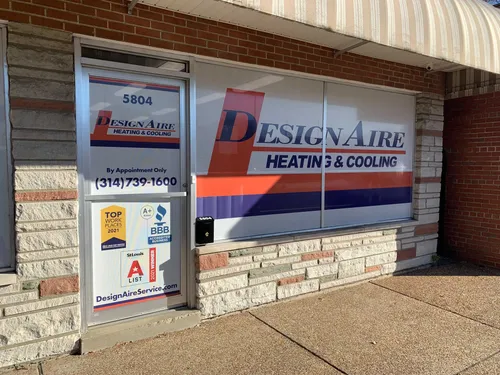
Design Aire Heating & Cooling - St. Louis provides a full range of HVAC services in St. Louis, MO, including installation, maintenance, and repair of air conditioners, furnaces, boilers, and heat pumps. They also offer indoor air quality improvements such as air duct cleaning and advanced air purifiers. The company specializes in commercial and residential HVAC solutions, using the latest technologies to ensure systems run efficiently and safely. Established in 1904, Design Aire has a long history of serving the St. Louis area with a focus on quality and customer satisfaction.

Lancaster Brothers
19495 Metcalf Ave, Overland Park, KS 66085
Lancaster Brothers is an HVAC company serving Kansas City, MO, since 2000. They provide heating, air conditioning, geothermal heat pump installation and repair, indoor air quality services, and home generator installation. Their team handles residential and commercial projects, including new construction HVAC installations. Lancaster Brothers specializes in geothermal systems and offers same-day service with free estimates. Their licensed and certified technicians focus on delivering long-lasting solutions backed by warranties.
Air Unlimited Heating and Cooling
701 Haines Suite 100, Liberty, MO 64068
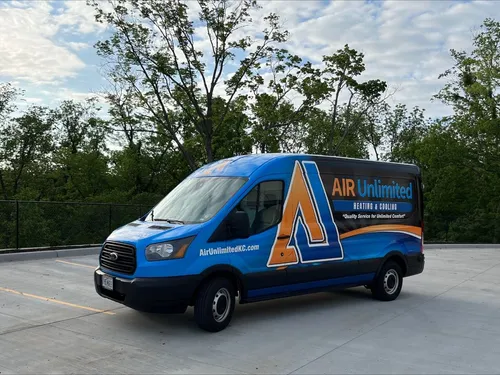
Air Unlimited Heating and Cooling provides a range of HVAC and indoor air quality services in Kansas City, MO. Their offerings include air conditioner, furnace, and heat pump repair and installation, as well as duct cleaning, thermostat installation, and air quality solutions. The company also handles water heater repair and water filtration system installation. Established in 2010, Air Unlimited Heating and Cooling has built a reputation for honest and reliable service. VIP members have access to 24/7 emergency service for urgent heating and cooling needs.
Understanding Your AC System Options in Missouri
Choosing the right type of air conditioner depends largely on your home's existing infrastructure and layout. The three primary systems available for Missouri homes are central air, packaged systems, and ductless mini-splits.
- Central Air Conditioning: This is the most common system for homes with existing ductwork. It consists of an outdoor condenser unit and an indoor evaporator coil, using the duct system to distribute cool air throughout the entire house. It's an excellent choice for whole-home comfort.
- Packaged Systems: All components-the compressor, condenser, and evaporator-are housed in a single cabinet, typically installed on the roof or a concrete slab beside the home. These are a good solution for homes without space for a separate indoor furnace or air handler, often found in certain ranch-style homes or small commercial buildings.
- Ductless Mini-Split Systems: Ideal for home additions, sunrooms, or older homes without any ductwork. These systems feature a small outdoor unit connected to one or more indoor air handlers mounted on walls or ceilings. They provide zoned cooling, allowing you to control temperatures in individual rooms for enhanced efficiency.
Key Considerations for Missouri's Climate
Missouri's climate, characterized by sweltering summers and high humidity, demands specific features in an air conditioning system.
- Efficiency is Paramount: The Seasonal Energy Efficiency Ratio 2 (SEER2) is the modern standard for measuring cooling efficiency. Given the long cooling season, investing in a unit with a higher SEER2 rating (e.g., 14 or above) can lead to substantial savings on your utility bills 1. Modern variable-speed compressors are particularly beneficial as they adjust output to match demand, providing more consistent temperatures and better dehumidification 2.
- Proper Sizing is Critical: An oversized AC will short-cycle (turn on and off too frequently), failing to dehumidify properly and wearing out components quickly. An undersized unit will struggle to cool your home on the hottest days. The only way to ensure correct sizing is through a Manual J load calculation, performed by a professional. This calculation considers your home's square footage, insulation, window types, local climate, and more to determine the precise cooling capacity needed in British Thermal Units (BTUs) 3.
The Professional Installation Process: A Step-by-Step Guide
A proper air conditioner installation is a multi-step process that ensures safety, efficiency, and longevity. Here's what you can expect when working with a qualified technician 4:
- Site Evaluation & Planning: A technician will visit your home to assess the location for the new outdoor unit, check existing ductwork (if applicable), evaluate electrical service, and discuss your needs. This is when the critical Manual J load calculation is performed.
- Permit Acquisition: Your contractor will typically pull any required local building permits, ensuring the installation meets all safety and building codes.
- Removal of Old Equipment: The existing air conditioner and related components are safely disconnected, removed, and responsibly disposed of, often in accordance with EPA regulations for refrigerant recovery.
- Preparation & Ductwork Modifications: The installation area is prepared. For central AC, this may involve installing a new condenser pad, sealing and insulating existing ducts, or installing entirely new ductwork if none exists or if the old system is inadequate.
- New Unit Installation: The new outdoor condenser and indoor coil or air handler are set in place. Refrigerant line sets and electrical wiring are carefully connected.
- System Startup & Testing: The system is charged with refrigerant, the electrical connections are finalized, and a new thermostat is installed and programmed. The technician will then start the system, check refrigerant pressures, measure airflow, and verify that all components are operating correctly.
- Homeowner Walk-Through: The installer will explain the system's operation, basic maintenance tasks, and answer any final questions.
The entire process for a standard replacement can often be completed in 1 to 3 days, though adding new ductwork or addressing unforeseen complications can extend the timeline 5 6.
Find the perfect ac installation & replacement contractors for your needs
Get personalized recommendations and expert advice
Understanding the Investment: Cost Factors in Missouri
The cost of a new AC system in Missouri varies widely based on several factors. Here's a breakdown to help you understand the investment range 7 8:
- System Type and Size: The capacity of the unit (measured in tons) and the type (central, ductless, packaged) are primary cost drivers.
- Efficiency Rating: Units with higher SEER2 ratings have a higher upfront cost but offer lower operating expenses.
- Ductwork: Installing or replacing ductwork is one of the most significant added costs in an AC installation project.
- Brand and Features: Premium brands and models with advanced features (like variable-speed motors or smart connectivity) will cost more.
- Labor and Complexity: Accessibility of the installation site, local labor rates, and the need for electrical upgrades all affect the final price.
As a general guide:
- For a small home (around 1,000 sq ft), a new AC installation can range from $5,000 to over $14,000, heavily influenced by the system's efficiency and whether ductwork is needed 9.
- For a medium-sized home (around 2,000 sq ft), a complete system replacement often falls between $11,000 and $17,000 or more, especially if new ductwork is part of the project 10 11.
Always obtain detailed, written estimates from multiple licensed contractors. The estimate should include the brand and model of the equipment, the proposed SEER2 rating, a breakdown of labor and material costs, warranty information, and the project timeline.
The Importance of Professional Expertise
While it may be tempting to consider a DIY approach or hire an unlicensed handyman to save money, AC installation is a complex task requiring specialized knowledge. Improper installation can lead to:
- Reduced efficiency and higher energy bills.
- Inadequate cooling and poor dehumidification.
- Frequent breakdowns and a shortened system lifespan.
- Safety hazards from improper electrical or refrigerant handling.
A licensed, insured, and experienced HVAC professional ensures the job is done right the first time, protecting your investment and your home.
Preparing for Your Installation Project
Before your scheduled installation day, you can take a few steps to ensure a smooth process:
- Clear the Work Area: Provide clear access to the indoor furnace/air handler, attic, and the outdoor condenser location. Move furniture, decorations, or stored items that might be in the way.
- Discuss Details: Confirm the start time, estimated duration, and any necessary preparations with your contractor.
- Plan for Indoor Comfort: The installation process will involve having doors open, which will let in warm air. Plan accordingly, especially if the work occurs during peak heat.
Frequently asked questions
Sources
Footnotes
-
New Installation - https://www.heisehvac.com/services/new-installation/ ↩
-
How Much Does AC Replacement Cost in Portland, OR? - https://www.angi.com/articles/how-much-does-installing-new-ac-cost/or/portland ↩
-
Air Conditioning Installation & Replacement In St. Peters, MO - https://www.missourifurnace.com/residential/air-conditioning-installation/ ↩
-
Air Conditioning Installation: A Step-by-Step Process - https://nexgenairandplumbing.com/blog/air-conditioning-installation-a-step-by-step-process/ ↩
-
Step-by-Step HVAC Installation Guide - Carrier - https://www.carrier.com/residential/en/us/products/air-conditioners/hvac-installation/ ↩
-
Central Air System Installation: Complete Guide for Homeowners - https://thefurnaceoutlet.com/blogs/news/central-air-system-installation-complete-guide-for-homeowners-nbsp-installation-process-amp-cost-breakdown ↩
-
What Are the Different Types of Air Conditioners? - Bryant - https://www.bryant.com/en/us/products/air-conditioners/types/ ↩
-
HVAC Installation Cost in 2025 | What to Expect & Save - https://streamlineairfl.com/how-much-does-an-hvac-installation-cost-in-2025-a-guide/ ↩
-
How Much Does an Air Conditioner Cost for a 1,000-Square-Foot Home? - https://www.thisoldhouse.com/heating-cooling/air-conditioner-cost-for-1000-square-foot-home ↩
-
New HVAC System Cost Calculator: Get a Custom Estimate in 2026 - https://modernize.com/hvac/cost-calculator ↩
-
What Is The Average Cost For A New HVAC System? 2025 Shocking Facts - https://comforttemp.com/what-is-the-average-cost-for-a-new-hvac-system/ ↩