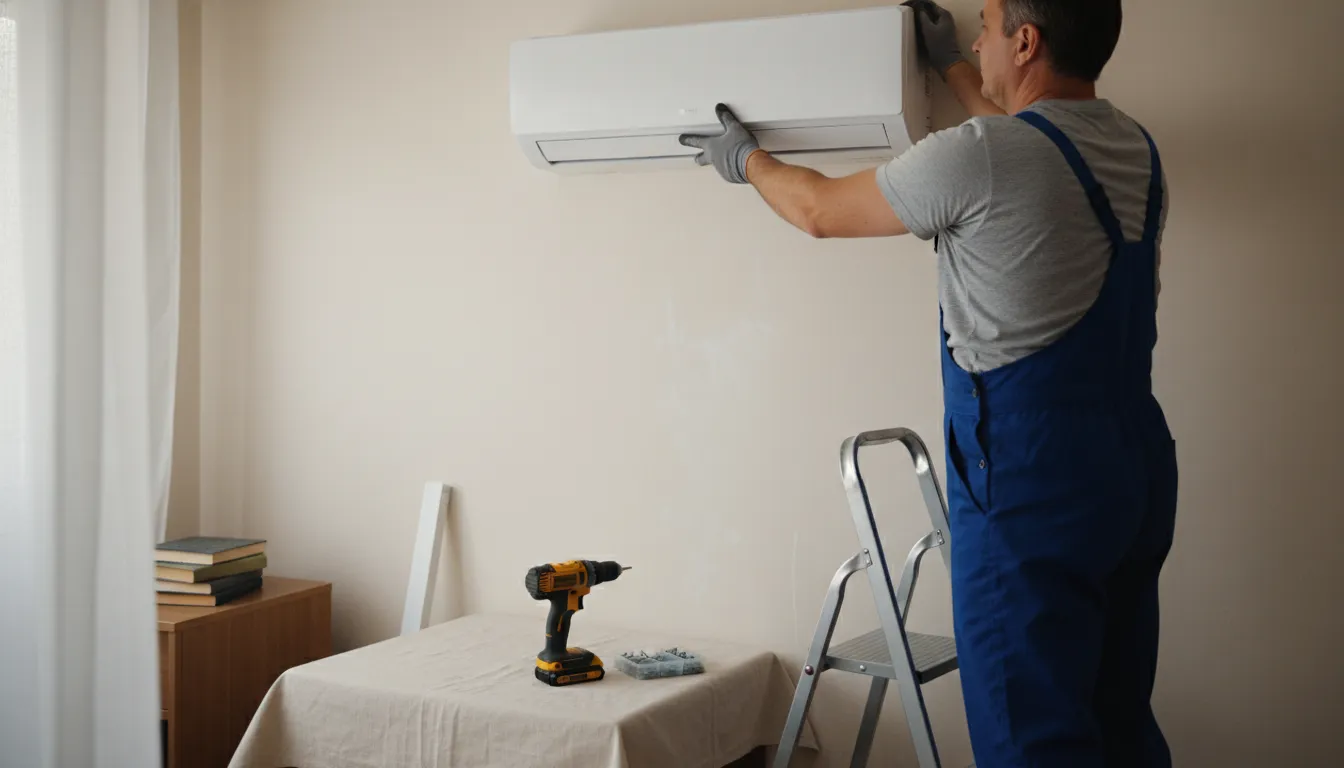
Find the Best AC Installation & Replacement Contractors for Your Business
No obligation • Fast responses • Nationwide coverage

Why you can trust HVAC Firms
HVAC Firms is a leading United States resource for evaluating HVAC service providers. Our team researches companies, checks credentials, and reviews customer feedback to present clear, unbiased information. Listings and rankings are based on merit, and companies cannot pay to change our editorial content.
Search providers near you
Best AC Installation & Replacement Contractors in Kentucky Ranked
Keeping your home cool and comfortable during Kentucky's humid summers is essential. AC installation and replacement involves selecting the right system for your home's needs and having it professionally set up for optimal performance. This guide explains the types of systems available, the installation process, and how to find qualified local professionals to ensure your project is completed efficiently and correctly.
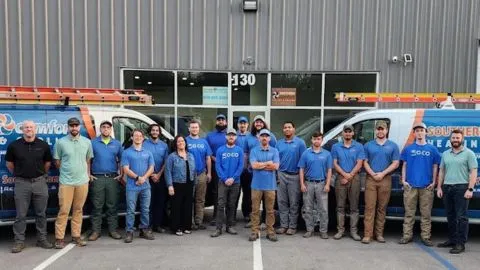
Southern Comfort Heating & Cooling
1067 Whipple Ct, Lexington, KY 40511
Southern Comfort Heating & Cooling is an HVAC company serving Louisville, KY, specializing in air conditioning and furnace repair, installation, and maintenance. They offer services including mini split and thermostat installation, as well as HVAC tune-ups. Founded in 2010 by HVAC Master Technician Matt Helgerson, the company has decades of experience servicing residential and commercial systems. Southern Comfort Heating & Cooling provides 24/7 emergency repair services and covers most of the Bluegrass region within Central Kentucky.
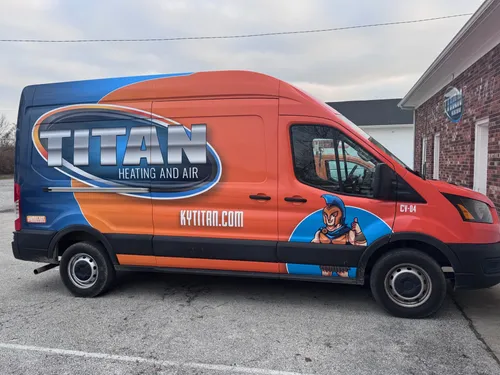
Titan Heating and Air
153 Edwards Ave, Georgetown, KY 40324
Titan Heating and Air provides HVAC repair, installation, and maintenance services in Lexington, KY. They handle all makes and models of heating and air conditioning systems, addressing issues such as worn-out belts, pilot light problems, and leaks. With over 20 years of experience, Titan Heating and Air also offers commercial heating and cooling solutions in Georgetown, working on complex systems and staying current with industry standards.

Feistritzer Heating & Air Conditioning
105 Man O War Dr, Danville, KY 40422
Feistritzer Heating & Air Conditioning serves Lexington, KY, and surrounding areas including Danville, Harrodsburg, and Stanford. They provide a range of HVAC services such as air conditioning and furnace repair, heat pump and geothermal system installation, indoor air quality solutions, and thermostat and gas line installation. The company is staffed by NATE-certified technicians who handle residential and light commercial projects. They emphasize thorough assessments and offer financing options. Their capabilities include geothermal heating and cooling systems, which use underground temperatures for efficient climate control.
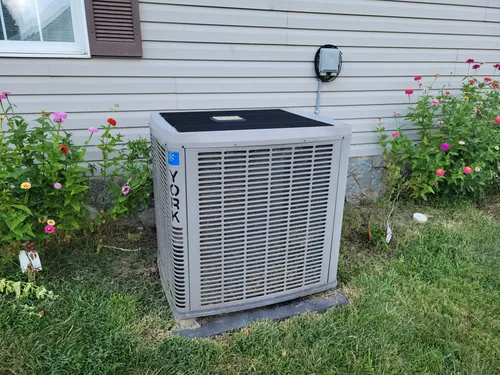
GraceLand Air
314 Stanford St, Lancaster, KY 40444
GraceLand Air is a local HVAC company serving Lexington, KY, and nearby areas including Lancaster. They provide a full range of heating and cooling services such as air conditioning and furnace repair, heat pump and boiler installation, ductless mini-split systems, and indoor air quality solutions. With over ten years of experience, GraceLand Air offers tailored solutions based on thorough diagnostics to ensure effective and long-term results. The company is a YORK® Certified Comfort Expert™ and serves all brands.
J Elliott Heating and Air
1101 N College St, Harrodsburg, KY 40330
J Elliott Heating and Air is an HVAC company serving Lexington, KY, and the surrounding Mercer County area. Founded in late 2015 by Jonathan Elliott, the company offers a range of heating and cooling services including installation, repair, and maintenance of air conditioners, furnaces, heat pumps, and thermostats. They focus on providing quality products and staying current with industry standards to ensure safety and efficiency. Jonathan Elliott brings nearly 10 years of experience in the heating and air trade, complemented by skills gained as a general contractor. The company is licensed through the Kentucky Public Protection Cabinet and fully insured.
Understanding Your Air Conditioning Options in Kentucky
Choosing the right cooling system is the first step toward lasting home comfort. Kentucky's climate, characterized by hot, humid summers and variable winters, influences which systems perform best. The most common residential air conditioning systems include central split systems, heat pumps, and ductless mini-splits.
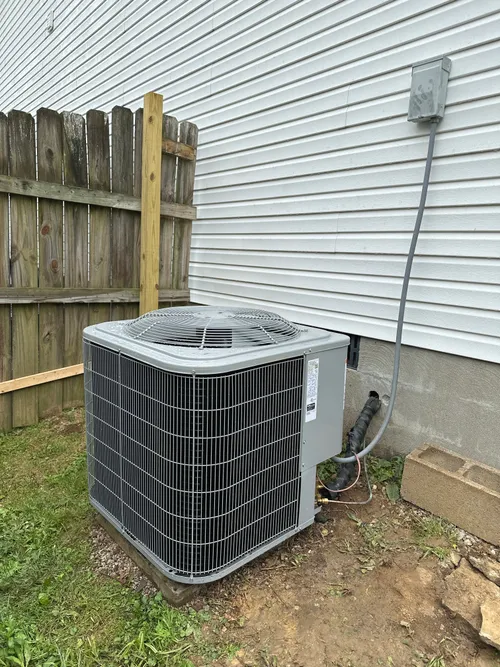
- Central Air Conditioning Split System: This is the most common setup for homes with existing ductwork. It consists of an outdoor condenser unit and an indoor air handler or furnace coil. It's a reliable choice for whole-home cooling.
- Heat Pump: A highly efficient option for Kentucky, a heat pump provides both cooling and heating by reversing the refrigerant flow. It's excellent for handling the state's mild winters and hot summers in one system, potentially reducing year-round energy costs.
- Ductless Mini-Split System: Ideal for homes without ducts, room additions, or for creating zoned comfort. These systems have an outdoor compressor connected to one or more quiet, wall-mounted indoor units. They offer flexible installation and individual room temperature control.
Key Considerations for Kentucky's Climate
Your system choice should directly address local weather patterns to ensure efficiency and comfort.
- High Humidity: Kentucky's summers are notoriously muggy. Selecting a system with a higher Seasonal Energy Efficiency Ratio (SEER) rating is crucial, as these units are better at dehumidifying the air while they cool, improving indoor air quality and comfort.
- Temperature Swings: With warm summers and cool winters, a heat pump can be an outstanding year-round solution. Its ability to efficiently provide both heating and cooling makes it a versatile fit for the region's climate 1.
The Professional Installation Process: A Step-by-Step Guide
A proper installation is just as important as the equipment you choose. A professional follows a meticulous process to ensure safety, efficiency, and compliance with local codes.
- Assessment & System Sizing: A technician will evaluate your home's square footage, insulation, window placement, and other factors to calculate the precise cooling capacity needed, measured in BTUs or tons. An incorrectly sized unit will lead to poor performance, higher costs, and reduced lifespan.
- Permits & Site Preparation: Your contractor will secure any necessary local building permits. The installation area, both indoors and outdoors, is cleared and prepared for the new equipment.
- Removal of Old Equipment: The existing air conditioner and related components are safely disconnected and removed from the premises.
- New Unit Installation: The new outdoor condenser and indoor air handler or evaporator coil are set in place. Refrigerant lines and electrical wiring are run and connected between the units.
- Ductwork Evaluation & Sealing: Existing ductwork is inspected for leaks, which can waste up to 30% of cooling energy. Ducts are sealed, or new ductwork is installed if needed 2 3.
- System Testing & Startup: The final and critical phase involves charging the system with refrigerant, checking all electrical connections, testing the drain line, and calibrating the thermostat. The technician will run the system through a complete cycle to verify proper operation and efficiency 4 5.
A full HVAC replacement project typically takes between 2 to 5 days from start to finish, depending on the complexity of the job, such as ductwork modifications or permit inspections.
Find the perfect ac installation & replacement contractors for your needs
Get personalized recommendations and expert advice
Understanding Investment and Cost Factors
The cost for a new air conditioning system in Kentucky is an investment in your home's comfort and value. While prices vary, understanding the factors involved helps in planning.
A typical full system replacement for a central air conditioner or heat pump in Kentucky generally ranges from $7,000 to $12,000 or more 6 7. Several key elements influence the final price:
- System Size and Capacity: Larger homes require units with higher cooling capacity (measured in tons), which increases cost.
- Efficiency Rating: Units with higher SEER ratings (e.g., 16 SEER vs. 20 SEER) cost more upfront but offer significant long-term savings on energy bills, especially important during Kentucky's long cooling season.
- Ductwork Condition: This is a major cost driver. Repairing, modifying, or installing new ductwork adds considerable labor and material expenses to the project.
- Equipment Type and Brand: Ductless mini-split systems or high-end brand models will have different price points compared to standard central air systems.
Finding the Right Professional for the Job
Selecting a qualified installer is paramount. Look for licensed, insured contractors with strong local reputations. They should perform a detailed load calculation (Manual J) for your home, provide clear written estimates that break down equipment and labor costs, and offer warranties on both parts and their workmanship. A trustworthy professional will be transparent about the process, timelines, and permit requirements.
Maintaining Your New System
After installation, protect your investment with regular maintenance. An annual professional tune-up before the cooling season begins can ensure peak efficiency, catch small issues before they become major repairs, and extend the life of your system. Simple homeowner tasks like regularly changing the air filter and keeping the outdoor unit clear of debris are also essential for sustained performance.
Frequently asked questions
Sources
Footnotes
-
Central AC Installation: Ultimate 2025 Guide - https://www.southern-air.com/blog/central-ac-installation ↩
-
Step-by-Step HVAC Installation Guide - Carrier - https://www.carrier.com/residential/en/us/products/air-conditioners/hvac-installation/ ↩
-
New Installation - Comfort Air Heating & Cooling - https://www.comfortairky.com/services/new-installation/ ↩
-
Air Conditioner Installation Steps: A Comprehensive Guide - https://projecthvac.com/2025/08/25/air-conditioner-installation-steps/ ↩
-
Air Conditioning Installation: A Step-by-Step Process - https://nexgenairandplumbing.com/blog/air-conditioning-installation-a-step-by-step-process/ ↩
-
HVAC Replacement Cost in Kentucky - https://comfortmasterheating.com/how-much-does-it-cost-to-replace-an-hvac-system-in-kentucky/ ↩
-
What Are the Different Types of Air Conditioners? - Bryant - https://www.bryant.com/en/us/products/air-conditioners/types/ ↩