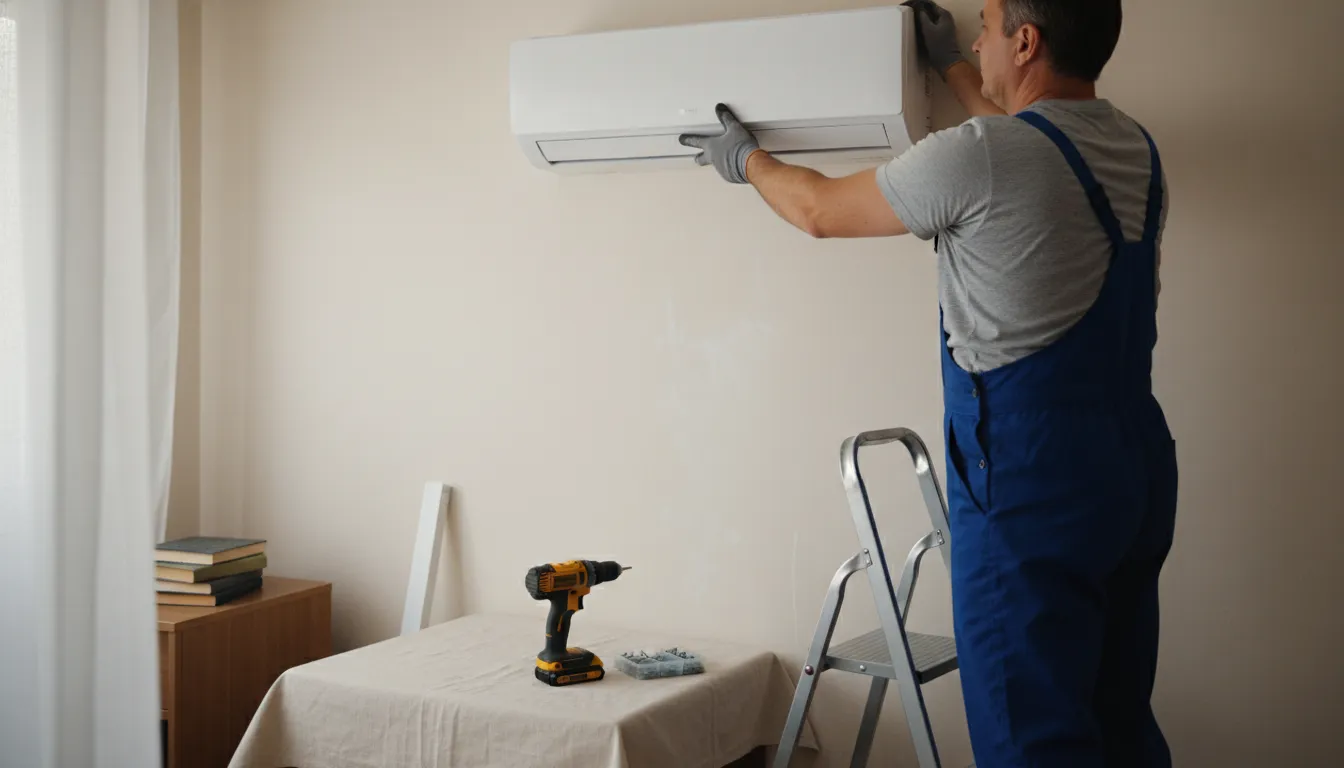
Find the Best AC Installation & Replacement Contractors for Your Business
No obligation • Fast responses • Nationwide coverage

Why you can trust HVAC Firms
HVAC Firms is a leading United States resource for evaluating HVAC service providers. Our team researches companies, checks credentials, and reviews customer feedback to present clear, unbiased information. Listings and rankings are based on merit, and companies cannot pay to change our editorial content.
Search providers near you
Best AC Installation & Replacement Contractors in Indiana Ranked
Installing or replacing an air conditioning system is a significant investment in your Indiana home's comfort, efficiency, and value. The state's humid summers and variable winters demand a system that's correctly sized and properly installed to perform reliably for years. This guide explains the key considerations, processes, and costs for air conditioning services in Indiana, helping you make an informed decision and connect with qualified local professionals for your project.

Home Heroes Plumbing Heating & Air
7768 Kane Ct, Fishers, IN 46038
Home Heroes Plumbing Heating & Air is a locally owned company serving Indianapolis, IN, and nearby areas. They provide a range of services including air conditioning and furnace repair and installation, plumbing, and heating system maintenance. The company has over a decade of experience and offers emergency services during business hours. They are known for their sump pump maintenance and installation, as well as water heater services including tankless models.
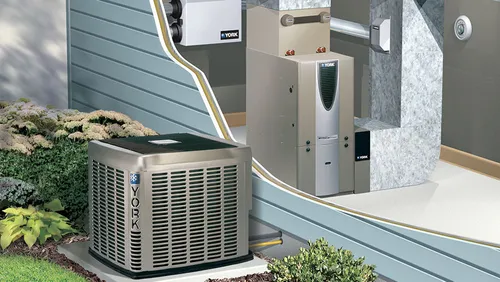
Northeast Mechanical Services, Inc.
3620 Metro Park Dr N, Fort Wayne, IN 46818
Northeast Mechanical Services, Inc. is an HVAC and plumbing contractor based in Fort Wayne, IN. They provide a wide range of services including installation and repair of air conditioning, furnaces, heat pumps, boilers, mini splits, geothermal heat pumps, and indoor air quality systems. The company also offers generator installation and maintenance, ensuring reliable power solutions for homes and businesses. Northeast Mechanical Services emphasizes honest recommendations and fair pricing, serving Fort Wayne and nearby communities such as New Haven, Auburn, and Huntington. Their expertise includes energy consultations and eco-friendly geothermal HVAC systems.
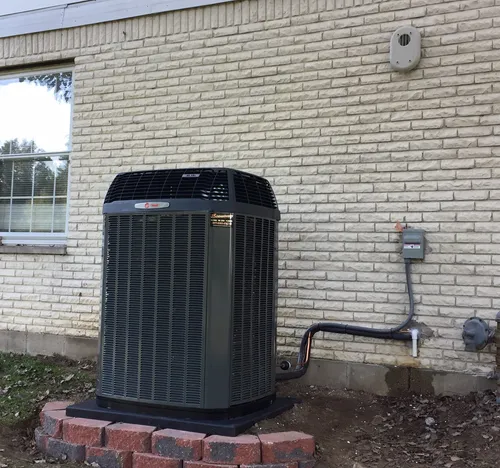
Economy HVAC
9116 Karen Dr, Mooresville, IN 46158
Economy HVAC is a family-owned company based in Indianapolis, IN, offering heating, air conditioning, and plumbing services. They provide installation, repair, and maintenance for furnaces, air conditioners, heat pumps, and HVAC systems. Economy HVAC is a certified Trane dealer and offers 24/7 emergency service to address urgent heating and cooling needs. Their technicians are highly trained and NATE certified, ensuring professional diagnostics and repairs. The company emphasizes quality workmanship and customer care in every project.
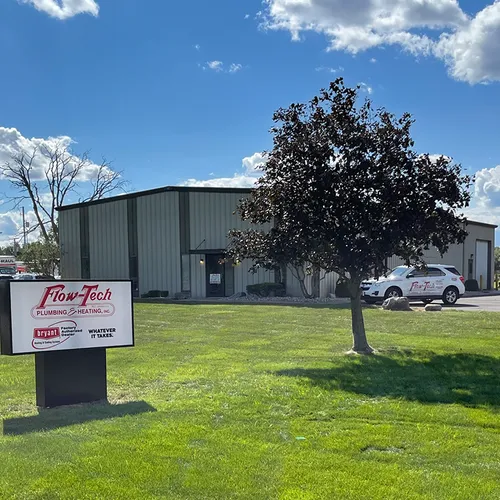
Flow-Tech Plumbing & Heating, Inc.
8131 N Clinton St, Fort Wayne, IN 46825
Flow-Tech Plumbing & Heating, Inc. has been serving Fort Wayne, IN, and surrounding areas since 1991. They provide a wide range of plumbing and HVAC services including installation, repair, and maintenance of air conditioners, furnaces, boilers, and indoor air quality systems. Their team handles both residential and commercial projects, offering specialized services such as backflow prevention, gas line work, and water purification system installation. Flow-Tech also provides 24/7 emergency service to address urgent plumbing and HVAC needs at any time.
Price Point Comfort,llc
6329 S Mooresville Rd # A, Indianapolis, IN 46221
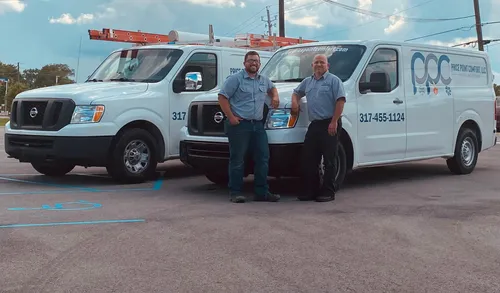
Price Point Comfort, llc is a locally family-owned HVAC company serving Indianapolis, IN, and surrounding areas. With over 30 years of experience, they provide heating and cooling services including installation, repair, and tune-ups for residential and commercial clients. Their expertise covers air conditioning, furnace, and full HVAC system services. The company offers personalized consultations to help clients select the right HVAC solutions and uses high-quality parts and equipment. Price Point Comfort emphasizes individualized service and includes warranties with their work.
Understanding Your AC System Options in Indiana
Choosing the right type of air conditioning system is the first critical step. The most common options for Indiana homes are central air systems and ductless mini-splits, each with distinct advantages.
Central Air Conditioning (Ducted Systems) This is the most prevalent choice for whole-home cooling, especially in homes with existing ductwork. A central system consists of an outdoor condenser unit and an indoor evaporator coil, typically paired with a furnace or air handler. It distributes cool air through a network of ducts to every room. If your home doesn't have ducts, installing them is possible but adds considerable complexity and cost to the project.
Ductless Mini-Split Systems Ideal for homes without existing ducts, additions, sunrooms, or for providing zoned comfort in specific areas, ductless systems are highly efficient. They feature one outdoor condenser connected to one or more indoor air-handling units mounted on walls or ceilings. Each indoor unit can be controlled independently, allowing for customized temperature settings in different "zones" of your home, which can lead to energy savings.
System Stages and Efficiency Modern air conditioners come in different operational stages that impact efficiency, comfort, and cost:
- Single-Stage: The compressor is either fully on or off. This is the most basic and traditionally least expensive option, but it can lead to temperature swings and higher humidity levels.
- Two-Stage: The compressor can operate at a low (about 67% capacity) or high stage (100%). This allows for longer, more consistent run times, better dehumidification, and improved efficiency compared to single-stage units.
- Variable-Speed/Modulating: This advanced technology allows the compressor to adjust its output in small increments from about 40% to 100% capacity. It provides the most precise temperature and humidity control, operates very quietly, and offers the highest energy efficiency. These units are particularly effective in managing Indiana's sticky summer humidity 1.
Why Indiana's Climate Demands a Professional Approach
Indiana's weather presents unique challenges that make professional assessment and installation non-negotiable.
- Humid Summers: High humidity is a hallmark of an Indiana summer. An improperly sized or staged system will cool the air quickly but shut off before removing adequate moisture, leaving your home feeling damp and clammy. A correctly sized system, particularly a variable-speed model, runs longer cycles at lower speeds, which is ideal for effective dehumidification.
- Cold Winters: Most central AC systems in Indiana are part of a split system that includes a furnace for heating. The installation must account for the entire year-round HVAC system. Furthermore, if you're considering a heat pump-which provides both heating and cooling-its efficiency and performance in Indiana's winter temperatures are critical factors.
The AC Installation & Replacement Process: Step-by-Step
A professional installation follows a meticulous process to ensure safety, compliance, and optimal performance. Here's what you can expect from start to finish.
1. Initial Assessment and Load Calculation This is the most important step. A technician will conduct a thorough evaluation of your home, measuring square footage, inspecting insulation, counting windows and doors, assessing existing ductwork, and considering your home's orientation. They will perform a Manual J load calculation, which is the industry-standard method for determining the precise heating and cooling needs of your home. This calculation prevents the costly mistake of installing an oversized or undersized unit 2.
2. System Selection and Proposal Based on the load calculation, the contractor will recommend appropriately sized systems that match your home's needs, your comfort preferences, and your budget. They should explain the differences in efficiency (SEER ratings), stages, and brands. You will receive a detailed written proposal outlining the equipment, scope of work, timeline, and total cost 3.
3. Securing Permits Reputable contractors will pull all necessary local building permits before work begins (e.g., Indianapolis requires permits for HVAC replacement). This ensures the installation will be inspected and meet all local codes for electrical, plumbing, and mechanical safety.
4. Preparation and Removal On installation day, the crew will prepare the work area, laying down protective coverings. They will safely disconnect and remove your old outdoor condenser and indoor coil. The old refrigerant will be recovered according to EPA regulations. They may also remove an old concrete pad if it is cracked or unlevel.
5. Site Preparation and New Equipment Placement The crew will prepare a stable, level base for the new outdoor unit, which may involve laying a new gravel base and a composite pad. The new condenser is carefully placed. Inside, the new evaporator coil is installed in the air handler or furnace. New line sets (copper tubing for refrigerant) are often run, or existing lines may be flushed and reused if they are the correct size and in good condition.
6. Electrical and Refrigerant Line Connections The electrical connections to the outdoor disconnect and indoor unit are made. The refrigerant lines are connected using a brazing torch to create a strong, leak-free seal. A new thermostat wire may be run, and the smart thermostat is installed and configured 4.
7. System Evacuation, Charging, and Testing This critical phase ensures system longevity. A powerful vacuum pump is connected to remove all moisture and air from the refrigerant lines-a process called evacuation. After holding a vacuum to confirm no leaks, the system is charged with the exact amount of refrigerant specified by the manufacturer. The technician then starts the system, checking pressures, temperatures, airflow across the coil, and ensuring the condensate drain is working properly 5.
8. Final Walkthrough and Cleanup The installer will provide a final walkthrough, explaining your new system's operation, thermostat programming, and maintenance requirements. They will clean up the work area, haul away all old equipment and debris, and leave your property tidy 6.
Find the perfect ac installation & replacement contractors for your needs
Get personalized recommendations and expert advice
Understanding Costs and Timelines in Indiana
The cost of a new air conditioning system in Indiana varies widely based on size, efficiency, brand, and the complexity of the installation.
Typical Installation Timelines:
- Site Assessment & Proposal: 1-3 hours
- Full Removal & Installation: 1-2 full days for a standard replacement. A new construction install or a job requiring extensive new ductwork will take longer.
Cost Ranges (Including Equipment & Professional Installation): These are rough estimates; always get multiple detailed quotes.
- 2-3 Ton, 13-15 SEER System: $3,000 - $6,000
- 3-4 Ton, 16-18 SEER System: $6,000 - $10,000
- 5 Ton, 19+ SEER / Variable-Speed System: $10,000 - $20,000+
- Ductless Mini-Split (Single-Zone): $3,000 - $5,500+ 7
- Significant Add-Ons: Installing all new ductwork can add $5,000 to $12,000+ to the total project cost 8.
Factors Influencing Cost:
- System Size and Efficiency: Larger capacity (measured in tons) and higher SEER (Seasonal Energy Efficiency Ratio) ratings increase cost but offer lower operating expenses.
- Equipment Brand: Premium brands often come at a higher initial cost.
- Complexity of Install: Difficult access, upgrading electrical service, or modifying existing ductwork adds labor time and materials.
- Rebates and Incentives: Always ask your contractor about available rebates. For example, homeowners in areas like Indianapolis may qualify for $300+ rebates for installing high-efficiency (16+ SEER) equipment through local utility programs 9 10 11.
Key Considerations for Indiana Homeowners
Sizing is Paramount Never guess your system size. An oversized unit will short-cycle (turn on and off frequently), failing to dehumidify properly and wearing out components prematurely. An undersized unit will run constantly, struggling to keep up on the hottest days and driving up energy bills. Insist on a contractor who performs a Manual J calculation 12.
Choosing the Right Time While you can replace an AC unit any time it fails, planning ahead has benefits. The best times to schedule replacement are during the spring and fall-the shoulder seasons. During these periods, HVAC companies are less booked than in the peak summer heat, potentially offering more scheduling flexibility and sometimes promotional pricing. It's far better to replace an aging system proactively than to face a catastrophic failure during a July heatwave 13.
The Importance of Maintenance Once your new system is installed, protect your investment with annual maintenance. A spring tune-up typically includes cleaning coils, checking refrigerant levels, inspecting electrical components, and ensuring the system is ready for the cooling season. Regular maintenance maximizes efficiency, extends the system's lifespan, and helps prevent costly breakdowns.
Frequently asked questions
Sources
Footnotes
-
The AC Replacement Homeowner's Guide - https://www.callmattioni.com/blog/t-homeowners-guide-ac-replacement/ ↩
-
Understanding the Factors That Go Into HVAC Installation Cost - https://www.hardingplumbingandhvac.com/understanding-the-factors-that-go-into-hvac-installation-cost ↩
-
Residential HVAC Installation Process: A Comprehensive Guide - https://precisionairhc.com/blog/residential-hvac-installation-process/ ↩
-
Air Conditioner Installation Steps: A Comprehensive Guide - https://projecthvac.com/2025/08/25/air-conditioner-installation-steps/ ↩
-
Air Conditioning System Installation Process From Start to Finish - https://indoortemp.com/resources/air-conditioning-system-installation-process ↩
-
Ultimate Guide to Easy AC Installation: Steps and Tips - https://qualityheating.com/air-conditioning-system-installation-process/ ↩
-
AC Installation Cost in 2025: Full Pricing Guide - R&R Mechanical - https://rrmechanicalsvs.com/cooling/how-much-does-ac-installation-cost-in-2025-a-complete-pricing-guide/ ↩
-
How Much Does AC Replacement Cost in Indianapolis, IN? - https://www.angi.com/articles/how-much-does-installing-new-ac-cost/in/indianapolis ↩
-
Understanding the HVAC Installation Process | MRV Service Air Inc. - https://www.mrvserviceair.com/understanding-the-hvac-installation-process/ ↩
-
Air Conditioner Cost: Installation or Replacement |HVAC Indiana - https://trusthomesense.com/blog/air-conditioning-installation-or-replacement-cost/ ↩
-
New HVAC System Cost Calculator: Get a Custom Estimate in 2026 - https://modernize.com/hvac/cost-calculator ↩
-
Carrier Air Conditioner Cost: What Homeowners Should Know About 3-Ton Units vs. Goodman R-32 Bundles - https://thefurnaceoutlet.com/blogs/news/carrier-air-conditioner-cost-what-homeowners-should-know-about-3-ton-units-vs-goodman-r-32-bundles ↩
-
The Best Time to Replace Your AC in Indiana: A Homeowner's ... - https://hoosierindoorair.com/the-best-time-to-replace-your-ac-in-indiana-a-homeowners-guide/ ↩