Find the Best AC Installation & Replacement Contractors for Your Business
No obligation • Fast responses • Nationwide coverage

Why you can trust HVAC Firms
HVAC Firms is a leading United States resource for evaluating HVAC service providers. Our team researches companies, checks credentials, and reviews customer feedback to present clear, unbiased information. Listings and rankings are based on merit, and companies cannot pay to change our editorial content.
Search providers near you
Best AC Installation & Replacement Contractors in Iowa Ranked
Installing or replacing an air conditioning system is a significant investment in your Iowa home's comfort and efficiency. With hot, humid summers, a properly sized and installed system is essential for effective cooling and managing energy costs. This guide provides a clear overview of the process, costs, and key considerations for Iowa homeowners, helping you make an informed decision and connect with qualified local professionals for your project.
Understanding Your Iowa AC System Options
Choosing the right type of air conditioner is the first step. The most common systems for Iowa homes include:
- Central Air Conditioning: This is the most popular choice for whole-home cooling. It uses an outdoor condenser unit connected to an indoor air handler or furnace, distributing cool air through existing ductwork. It's ideal for homes that already have a forced-air heating system.
- Ductless Mini-Split Systems: These systems provide zoned cooling without the need for ductwork. An outdoor unit connects to one or more indoor air handlers mounted on walls or ceilings. They are perfect for home additions, older homes without ducts, or for supplementing cooling in specific rooms.
- Packaged Units: All components are housed in a single cabinet, typically installed on the roof or a concrete slab beside the home. They are a good solution for homes with limited indoor space or where ductwork is present but indoor space for a furnace/air handler is constrained 1.
Key Factors for Iowa Climates
Iowa's weather presents specific challenges that should guide your AC selection:
- Hot Summers: Systems must be robust enough to handle sustained periods of high heat and humidity, ensuring consistent indoor comfort.
- Efficiency (SEER Rating): The Seasonal Energy Efficiency Ratio (SEER) measures cooling output per unit of energy. Higher SEER ratings (16+) mean greater energy savings, which is crucial for managing bills during Iowa's fluctuating summer weather. Investing in a more efficient unit can lead to significant long-term savings.
- Correct Sizing (Tonnage): An air conditioner's capacity is measured in tons. A unit that is too small will run constantly without cooling your home adequately, while one that is too large will short-cycle, leading to humidity problems and wear. A common rule of thumb is approximately 1.5 tons of cooling for every 1,000 square feet, but a professional load calculation is essential for precise sizing 2.
The Professional Installation Process
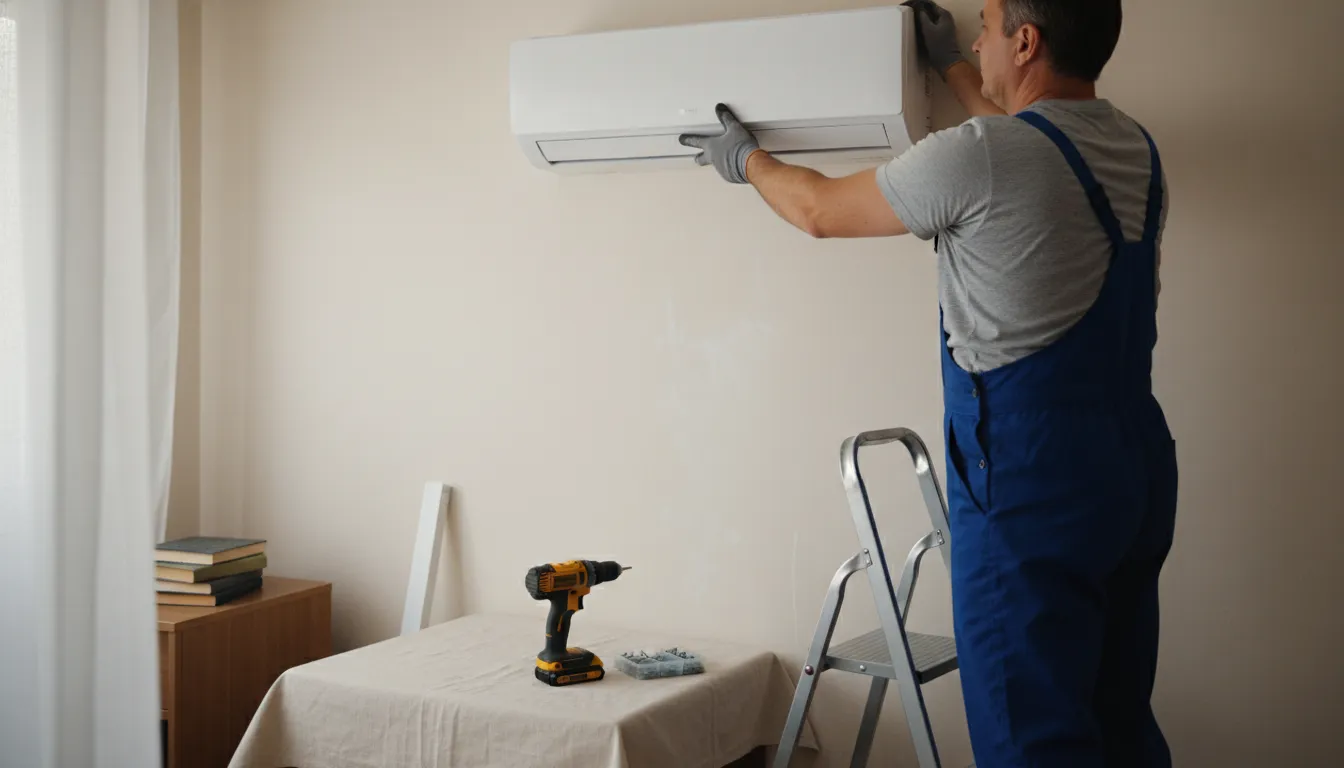
A proper installation is as important as the equipment itself. A licensed HVAC professional will typically follow these steps:
- Assessment and Planning: The technician will evaluate your home's size, insulation, existing ductwork, and electrical system. They will also handle obtaining any necessary local permits.
- Removal of Old Equipment: The old outdoor condenser and indoor coil are safely disconnected. Any remaining refrigerant is recovered according to EPA regulations.
- Preparation and Setup: A stable, level pad is set for the new outdoor unit. The indoor evaporator coil is installed in the air handler or furnace. New refrigerant line sets and electrical wiring are run between the units 3.
- System Charging and Testing: The system is charged with the correct type and amount of refrigerant. The technician will then test the entire system for proper operation, check refrigerant levels, ensure adequate airflow, and calibrate the thermostat 4.
The entire installation process for a replacement can often be completed in 4 to 8 hours for a straightforward job, while a full new system installation may take 1 to 5 days.
Cost Breakdown for AC Installation in Iowa
The total cost for a new air conditioning system in Iowa varies based on system type, size, efficiency, and installation complexity. Homeowners can typically expect a range between $5,000 and $11,000 or more for a full, professional installation 5.
- Equipment Costs: The AC unit itself generally accounts for a significant portion, ranging from approximately $4,900 to $8,900+, depending on the brand, type (central, mini-split), and SEER rating.
- Labor and Installation: Professional labor for installation typically adds $1,000 to $2,400+ to the total. This covers the removal of the old unit, all setup, electrical work, testing, and cleanup 6.
- Heat Pump Consideration: For a system that provides both efficient cooling and heating, a heat pump installation in Iowa averages around $7,900+ 7.
Find the perfect ac installation & replacement contractors for your needs
Get personalized recommendations and expert advice
Repair vs. Replacement: Making the Decision
When your existing AC system is failing, it's important to weigh the cost of repairs against replacement. A useful guideline is the "$5,000 Rule." Multiply the age of your air conditioner (in years) by the estimated repair cost. If the result is more than $5,000, replacing the system is often the more economical long-term choice 8. For example, a 10-year-old unit needing a $600 repair (10 x 600 = $6,000) is likely a candidate for replacement, especially if it has a low SEER rating.
Ensuring Long-Term Performance
Once your new system is installed, proper maintenance is key to longevity and efficiency.
- Regular Filter Changes: Replace or clean your air filter every 1-3 months during cooling season to maintain airflow and system efficiency.
- Annual Professional Tune-Up: Schedule a pre-season maintenance check with a qualified technician. They will clean coils, check refrigerant levels, inspect electrical components, and ensure the system is operating at peak performance.
- Keep the Area Clear: Ensure the outdoor condenser unit is free of debris, leaves, and vegetation (at least 2 feet clearance) to allow for proper airflow.
Working with a licensed, local Iowa HVAC professional is crucial. They understand regional climate demands, can perform accurate load calculations, ensure code-compliant installations, and provide reliable service for years to come 9 10.
Frequently asked questions
Sources
Footnotes
-
What Are the Different Types of Air Conditioners? - Bryant - https://www.bryant.com/en/us/products/air-conditioners/types/ ↩
-
How Much Does a 1.5-Ton Air Conditioner Cost? - https://www.thisoldhouse.com/heating-cooling/1-5-ton-air-conditioner-cost ↩
-
Air Conditioning Installation: A Step-by-Step Process - https://nexgenairandplumbing.com/blog/air-conditioning-installation-a-step-by-step-process/ ↩
-
A Step-by-Step Guide to Air Conditioner Installation - https://candcheat.com/a-step-by-step-guide-to-air-conditioner-installation/ ↩
-
New HVAC System Cost Calculator: Get a Custom Estimate in 2026 - https://modernize.com/hvac/cost-calculator ↩
-
How Long Does It Take To Replace Your HVAC System? - https://downeyplumbing.com/blog/how-long-does-it-take-to-replace-your-hvac-system/ ↩
-
How Much Does an Air Conditioner Cost for a 1,000-Square-Foot Home? - https://www.thisoldhouse.com/heating-cooling/air-conditioner-cost-for-1000-square-foot-home ↩
-
What Is the $5,000 Rule for HVAC? - J.A. Bertsch Heating & Cooling - https://jabertsch.com/blog/what-is-the-5000-rule-for-hvac/ ↩
-
AC Installation: Process and Benefits by True Comfort - https://www.truecomfortiowa.com/blog/understanding-the-process-of-ac-installation ↩
-
Ultimate Guide to Easy AC Installation: Steps and Tips - https://qualityheating.com/air-conditioning-system-installation-process/ ↩