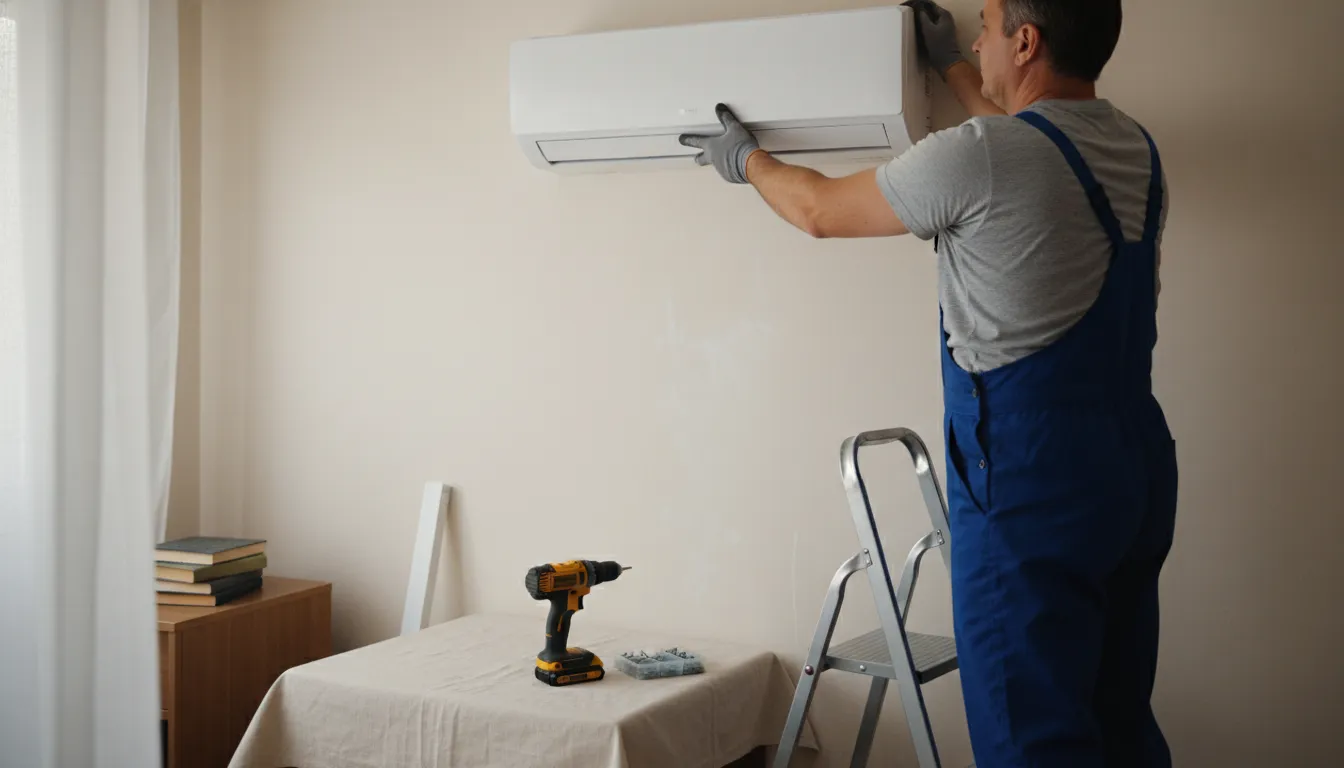
Find the Best AC Installation & Replacement Contractors for Your Business
No obligation • Fast responses • Nationwide coverage

Why you can trust HVAC Firms
HVAC Firms is a leading United States resource for evaluating HVAC service providers. Our team researches companies, checks credentials, and reviews customer feedback to present clear, unbiased information. Listings and rankings are based on merit, and companies cannot pay to change our editorial content.
Search providers near you
Top AC Installation & Replacement Contractors in Waipahu, Hawaii Ranked
Finding the right air conditioning system for your Waipahu home is essential for comfort in Hawaii's warm, humid climate. A proper AC installation or replacement ensures efficient cooling, manages humidity, and can lead to significant energy savings over time. This guide will help you understand the process, costs, and key considerations for selecting a local provider to handle your project.
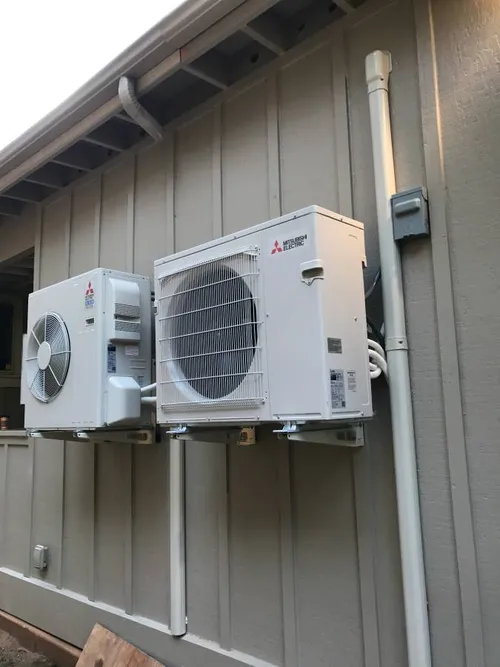
Standard Air, LLC
Honolulu, HI
Standard Air, LLC is an HVAC company serving Honolulu, HI, and surrounding areas including Kailua, Kaneohe, Waialae-Kahala, and Hawaii Kai. Since 2018, they have provided services such as air conditioning installation, repair, maintenance, duct cleaning, and indoor air quality improvement. They specialize in Mitsubishi HVAC systems and use a detailed ten-point quality inspection to ensure system efficiency and longevity. The company focuses on addressing Oahu's unique climate challenges, including humidity and air quality issues, to help clients maintain comfortable and healthy indoor environments.

Air Source Air Conditioning
2007 Republican St, Honolulu, HI 96819
Air Source Air Conditioning is a licensed AC contractor serving Honolulu, HI, since 2002. The company offers a full range of air conditioning services including installation, repair, maintenance, and replacement, with a specialization in mini-split system installations. As a Mitsubishi Elite Diamond Contractor, they bring expert knowledge to their projects and provide manufacturer warranties for added assurance. Their services also include HVAC zoning to improve comfort and energy efficiency. Air Source Air Conditioning is a locally owned, family- and woman-owned business with over 20 years of experience in the industry.
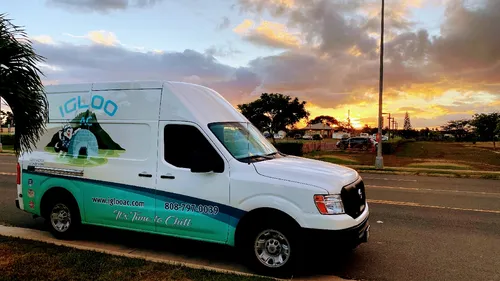
Igloo AC
Honolulu, HI
Igloo AC is a family-owned HVAC and electrical contracting business based in Kailua, serving Honolulu, HI, and the Big Island. They specialize in residential and commercial installation of ductless mini-split systems, central ducted air conditioning, VRF and VRV systems, rooftop units, and electrical services. The company handles all electrical work in-house and offers a 12-year parts and labor warranty on Daikin and Fujitsu split AC systems. With over 50 years of combined experience, Igloo AC is licensed and insured, providing comprehensive HVAC and electrical solutions for new construction and existing properties.
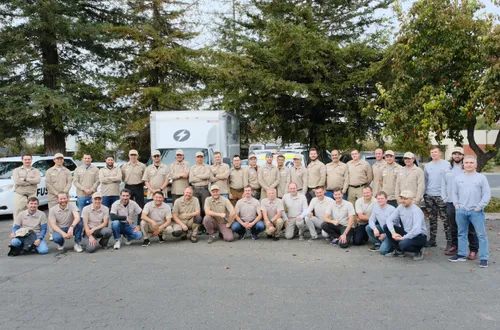
Fuse Hawai'i
94-1388 Moaniani St Unit 216, Waipahu, HI 96797
Fuse Hawai'i is an HVAC company based in Honolulu, HI, offering air conditioning repair, installation, and commercial refrigeration services. They serve residential and commercial clients across multiple locations in Hawaii, including Oahu, Maui, Kauai, and Lanai. The company provides fixed-price estimates before work begins and handles systems of varying complexity. Fuse Hawai'i offers up to 12 years warranty on their services and works with professional specialists to ensure quality installations and repairs.
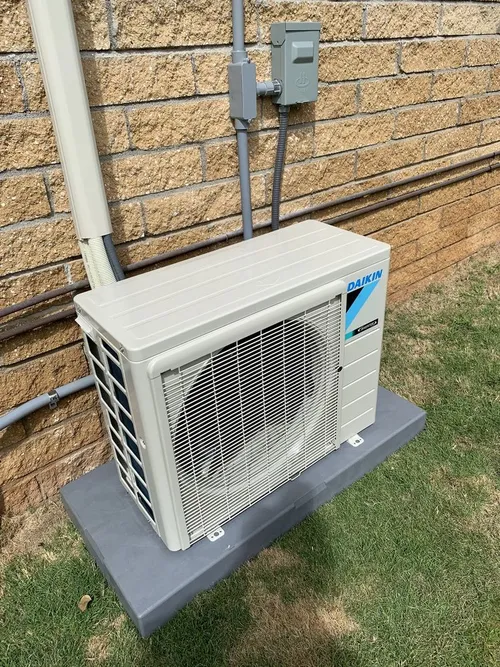
Ultimate Air Conditioning - Hawaii
Honolulu, HI
Ultimate Air Conditioning - Hawaii is an HVAC service provider based in Honolulu, HI. They offer a range of services including air conditioning repair and installation, mini-split system installation, thermostat installation, indoor air quality solutions, duct cleaning, and seasonal HVAC maintenance. Their team handles emergency HVAC repairs and system inspections, serving residential and commercial customers across Honolulu. One of their key capabilities is the installation and repair of ductless mini-split systems, which are popular in the area for efficient cooling.
Understanding Your Waipahu Home's Cooling Needs
The first step in any successful air conditioning project is a professional assessment. Hawaii's unique climate means standard sizing rules from the mainland don't always apply. Local contractors will evaluate several factors specific to your home to determine the correct cooling capacity, measured in British Thermal Units (BTUs) or tons.
Key factors in the assessment include:
- Home Size and Layout: Total square footage and the number of rooms.
- Insulation Quality: The effectiveness of your attic and wall insulation.
- Window Type and Sun Exposure: The number, size, and orientation of windows, especially those facing the afternoon sun.
- Ceiling Height and Airflow: The volume of air that needs to be conditioned.
- Existing Ductwork: The condition, size, and layout of any current air ducts.
For most single-family homes in Waipahu, which typically range from 1,200 to 3,000 square feet, systems often fall within the 24,000 to 60,000 BTU range (2 to 5 tons). An accurate load calculation prevents installing an undersized system that struggles to cool or an oversized one that short-cycles, wasting energy and failing to dehumidify properly.
Types of AC Systems for Island Living
Once your cooling needs are calculated, you'll choose between the primary types of systems suitable for local homes. Each has distinct advantages depending on your home's structure and your comfort goals.
Central Air Conditioning Systems
Central AC is a common choice for homes with existing, functional ductwork. It uses a single outdoor condenser unit connected to an indoor air handler that distributes cooled air throughout the home via ducts.
Pros:
- Provides whole-house, even cooling.
- Can be integrated with a central furnace for heating.
- Air filtration occurs at a single, central point.
Cons:
- Requires extensive, leak-free ductwork.
- Can be less efficient if ducts are in unconditioned spaces like hot attics.
- Typically involves a higher upfront installation cost, especially if new ducts are needed.
Ductless Mini-Split Systems
Ductless systems are increasingly popular in Hawaii. They consist of an outdoor compressor connected to one or more indoor air-handling units mounted on walls or ceilings. Refrigerant lines run through a small conduit, eliminating the need for ducts.
Pros:
- Ideal for homes without ducts or for room additions.
- Allows for zoning, meaning you can cool only occupied rooms.
- Generally very energy-efficient, with high SEER (Seasonal Energy Efficiency Ratio) ratings.
- Installation is often less invasive than central AC.
Cons:
- Indoor units are visible on the wall.
- May require multiple units for whole-home cooling, which can increase equipment costs.
Other Considerations
For historic homes or those with challenging layouts, high-velocity mini-duct systems are another option, using small, flexible tubing that can be snaked through walls1. The humid climate also makes features like variable-speed compressors and enhanced dehumidification modes particularly valuable investments for Waipahu homes.
The AC Installation Process: What to Expect
A professional AC installation is a multi-step process handled by licensed technicians. Understanding the steps can help you know what to expect on installation day.
- Final Site Review & Preparation: The crew will review the planned equipment locations, protect your floors, and ensure clear pathways.
- Equipment Installation: The outdoor condenser is placed on a stable pad, and the indoor unit (air handler or evaporator coil) is installed. For central systems, this involves connecting to the ductwork.
- Running Refrigerant and Electrical Lines: Copper refrigerant lines (the "line set") are run between the indoor and outdoor units. A dedicated electrical circuit is connected from your panel to the outdoor unit2.
- System Evacuation and Charging: The refrigerant lines are vacuumed to remove all moisture and air-a critical step for efficiency and longevity. The system is then charged with the correct amount of refrigerant3.
- System Testing and Startup: The technician will test all components, check airflow, measure temperature drop, and verify the system is operating within manufacturer specifications. They will also program the thermostat and explain basic operation to you4.
- Permit Finalization and Cleanup: Your contractor will handle the final inspection with the city/county if required. The job site is cleaned, and all old equipment and packaging are removed.
Find the perfect ac installation & replacement contractors for your needs
Get personalized recommendations and expert advice
Breaking Down the Cost of AC Installation in Waipahu
The cost for a new air conditioner in Waipahu varies widely based on system type, home size, and project complexity. Prices generally include equipment, labor, permits, and standard installation materials.
Typical Cost Ranges:
- Central Air Conditioning: For a complete system installation, homeowners can expect a range from $6,000 to over $15,000. Larger homes (over 2,000 sq ft) or projects requiring new ductwork can push costs toward the $20,000 to $30,000 range.
- Ductless Mini-Split System: A single-zone system typically costs between $4,000 and $7,500+5 6. Multi-zone systems for cooling several rooms will be higher but can still be cost-competitive with central AC, especially if no ducts are present.
Key Factors Influencing Your Final Price
- System Size and Efficiency: Larger capacity (more tons/BTUs) and higher SEER ratings increase equipment cost but offer long-term savings.
- Ductwork Modifications: Installing new ductwork adds $20 to $45 per linear foot, a significant portion of the total cost for central AC 7.
- Equipment Brand: Premium brands (e.g., Daikin, Lennox) often come at a higher price point than standard units.
- Home Specifics: Complex installations on multi-story homes, roofs with steep pitches, or limited access can increase labor time and cost.
- Additional Features: Adding a zoning system, a smart thermostat, or an air purification system will add to the total.
Waipahu Cost Scenarios
To provide more concrete examples, here are estimated price brackets based on home size:
- Small Home or Condo (~1,000 sq ft): $3,000 - $6,000+ for a smaller capacity system or single-zone mini-split.
- Medium Home (1,000 - 2,000 sq ft): $6,000 - $10,000+ for a appropriately sized central or multi-zone mini-split system 8.
- Large Home (2,000+ sq ft) or Home Needing New Ducts: $10,000 - $15,000+, with costs easily exceeding this for high-end systems or complex ductwork layouts9 10. Recent local projects have shown quotes ranging from $10,000 to over $24,000 for multi-piece systems from major brands10.
Choosing a Qualified Local Contractor
Your investment's longevity and performance depend heavily on the skill of the installer. Look for a Waipahu-based contractor with:
- Proper Licensing: Valid Hawaii HVAC contractor's license and insurance.
- Local Experience: Familiarity with permit processes in Honolulu County and the specific demands of the island climate.
- Detailed Proposals: Quotes should include a load calculation, specific equipment model numbers, a scope of work, and a clear breakdown of all costs.
- Strong References: Ask for and contact recent local customer references.
- Manufacturer Certifications: Partnerships with major brands often indicate trained technicians.
Maintaining Your New System
After installation, protect your investment with regular maintenance. An annual tune-up before the warm season can ensure peak efficiency, catch small issues early, and extend the life of your unit. Simple homeowner tasks like keeping the outdoor condenser clear of vegetation and regularly changing the air filter are also crucial for sustained performance.
Frequently asked questions
Sources
Footnotes
-
Ten Steps To Installing A High-Velocity HVAC System - https://highvelocityoutlets.com/blogs/blog/ten-steps-to-installing-a-high-velocity-hvac-system ↩
-
Cost of an Air Conditioner in 2026: Replacing Your AC Unit | Fire & Ice - https://indoortemp.com/resources/air-conditioner-replacement-cost ↩
-
Cost to Replace AC Unit - 2025 Homeowner's Guide - https://regionserviceco.com/cost-to-replace-ac-unit/ ↩
-
HVAC Installation | Honolulu, HI | Standard Air - https://standardairhawaii.com/areas-served/honolulu-hi/hvac-installation-in-honolulu-hi/ ↩
-
How Much Does Air Conditioning Cost In Hawaii? - https://www.craigsair.com/blog/the-cost-of-air-conditioning-in-hawaii-explained ↩
-
Split System Air Conditioner Installation Cost (Price Guide 2025) - https://allec.com.au/split-system-air-conditioner-installation-cost-price-guide/ ↩
-
HVAC Installation Cost Per Sq. Ft: Average Prices & Factors - https://www.superbrothers.com/hvac-installation-cost-per-sq-ft-average-prices-factors-2024/ ↩
-
How Your HVAC Contractor Determines The Cost Of AC Installation - https://kliemannbros.com/how-your-hvac-contractor-determines-the-cost-of-ac-installation/ ↩
-
HVAC Installation Costs and Breakdowns - TMC Heating and Cooling - https://tmcservice.com/hvac-installation-costs-and-breakdowns/ ↩
-
Heating and Air Conditioning Installation in Waipahu, HI - https://www.homedepot.com/services/l/hi/waipahu/heating-air-conditioning-installation/c16fbb4b7 ↩ ↩2