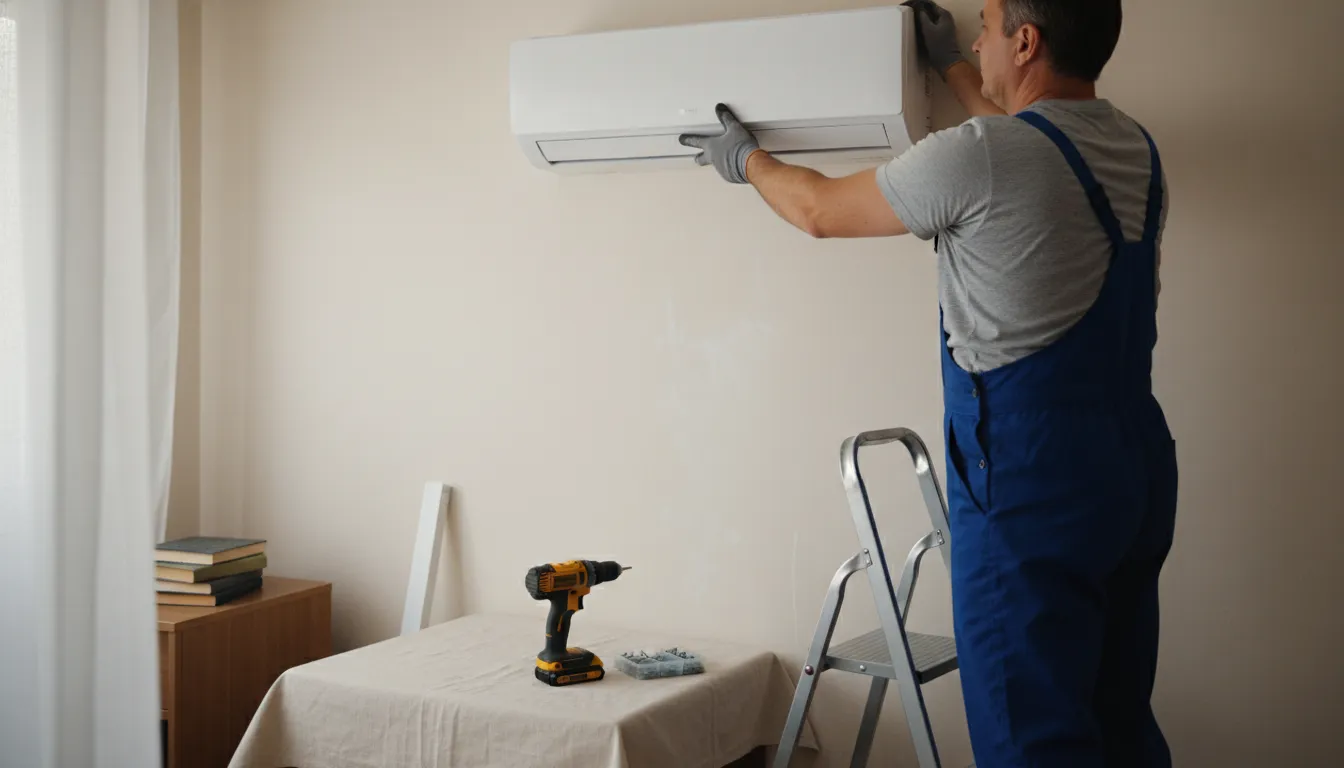
Find the Best AC Installation & Replacement Contractors for Your Business
No obligation • Fast responses • Nationwide coverage

Why you can trust HVAC Firms
HVAC Firms is a leading United States resource for evaluating HVAC service providers. Our team researches companies, checks credentials, and reviews customer feedback to present clear, unbiased information. Listings and rankings are based on merit, and companies cannot pay to change our editorial content.
Search providers near you
Best AC Installation & Replacement Contractors in Georgia Ranked
Installing or replacing an air conditioning system is a significant investment in your Georgia home's comfort, efficiency, and value. The state's hot, humid climate demands a reliable cooling solution that can also manage moisture effectively. This guide provides a detailed overview of the process, costs, and key considerations for Georgia homeowners, helping you make an informed decision and connect with qualified local professionals for your project.

Wall Heating & Air Conditioning, Inc.
485 Scenic Hwy S, Lawrenceville, GA 30046
Wall Heating & Air Conditioning, Inc. is an HVAC company serving Atlanta, GA, specializing in air conditioning, heating, and indoor air quality services. They handle installation, repair, and maintenance for central air conditioners, ductless mini splits, heat pumps, furnaces, and rooftop or packaged units for both residential and commercial properties. The company also offers indoor air quality solutions including air cleaners, humidifiers, dehumidifiers, and UV germicidal lights, with a focus on Aprilaire products. Their certified technicians provide expertise in eco-friendly heat pump systems and climate control efficiency.
Techmazing Heating and Cooling
4931 Hwy 81, Loganville, GA 30052
Techmazing Heating and Cooling provides a full range of HVAC services in Atlanta, GA, including air conditioning, furnace, heat pump, and ductless mini-split installation and repair. They also offer indoor air quality solutions and commercial refrigeration services. The company is experienced in servicing all major brands and models, with certified technicians who provide warranties on parts and labor. Techmazing Heating and Cooling serves Northeast Georgia communities such as Braselton, Buford, Dacula, Duluth, Gainesville, Lawrenceville, Loganville, and Snellville. Their capabilities include expert diagnostics and repairs, as well as custom installations of Trane heating and cooling systems.
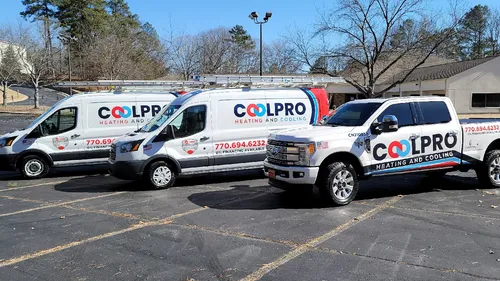
Coolpro Heating and Cooling
161 Austin Ave NE, Marietta, GA 30060
Coolpro Heating and Cooling provides residential and commercial HVAC services in Atlanta, GA. They offer repair, installation, and tune-up services for air conditioners, furnaces, heat pumps, and full HVAC systems. The company services all makes and models and emphasizes energy-efficient solutions to help manage comfort and reduce energy use. With over 30 years of experience, Coolpro serves Cobb, Cherokee, Paulding counties, and the Atlanta area, focusing on reliable heating and cooling solutions.
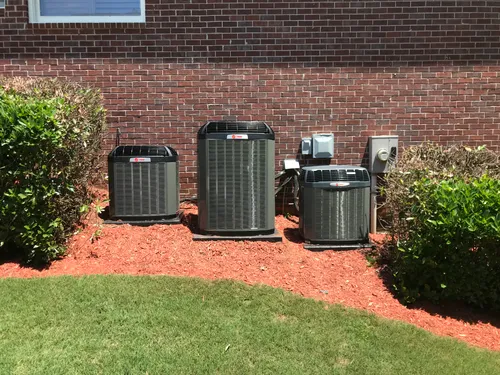
Holt Hudson Heating & Airconditioning
5195 Linnadine Way NW, Peachtree Corners, GA 30092
Holt Hudson Heating & Airconditioning is an HVAC company based in Atlanta, GA, specializing in residential maintenance, repair, and replacement of heating and cooling systems. They offer a full line of Trane products and provide services including installation, repair, indoor air quality solutions, and HVAC tune-ups. The company emphasizes quality installations and thorough maintenance to optimize system performance and energy efficiency. Founded by John Hudson, who has been involved in HVAC since childhood and took over operations in 2006, Holt Hudson Heating & Airconditioning serves multiple communities around Atlanta, including Peachtree Corners and nearby areas.

Summit
51 Austin Ave NE, Marietta, GA 30060
Summit is an HVAC company serving Atlanta, GA, specializing in repair, installation, and maintenance of air conditioning, furnaces, heat pumps, and HVAC systems. They focus on diagnosing and fixing issues to extend system life before recommending replacements. Operating since 2015, Summit serves the local community with timely appointments and personalized service.
Understanding Your AC System Options in Georgia
Choosing the right type of air conditioner is the first step toward lasting comfort. The primary systems available for Georgia homes are:
- Central Air Conditioners: This is the most common system for homes with existing ductwork. It uses a split system with an outdoor condenser/compressor and an indoor evaporator coil, circulating cool air through ducts to every room. It's ideal for whole-home, even cooling.
- Ductless Mini-Split Systems: These systems are excellent for home additions, sunrooms, or older homes without ductwork. They consist of an outdoor unit connected to one or more quiet, wall-mounted indoor handlers. Mini-splits offer superior zone control, allowing you to cool only the rooms you're using, which can improve efficiency.
- Packaged Units: All components-the compressor, coil, and fan-are housed in a single cabinet typically installed on the roof or a concrete slab beside the home. They are a space-saving solution for homes with limited indoor mechanical space and connect directly to the ductwork 1 2.
Critical Considerations for Georgia's Climate
Georgia's signature humidity is as much a factor as its heat. A system that cools but doesn't dehumidify adequately will leave your home feeling clammy and uncomfortable. Key climate-specific factors include:
- Dehumidification Capability: Look for systems with variable-speed fans and compressors. These can run at lower speeds for longer periods, which is more effective at removing moisture from the air than a unit that simply cycles on and off at full blast.
- Proper Sizing: An oversized AC will cool your home too quickly, shutting off before it has adequately removed humidity (short cycling). An undersized unit will run constantly, struggling to meet the temperature setpoint. A professional will perform a Manual J load calculation to determine the precise size (in BTUs or tons) needed for your home's square footage, insulation, window orientation, and other factors 3.
- Ductwork and Insulation: Even the most efficient AC unit will underperform if cool air escapes through leaky, uninsulated ducts or if your home's envelope is poorly insulated. Sealing duct leaks and ensuring proper attic and wall insulation are crucial for system efficiency and comfort.
The AC Installation & Replacement Process: A Step-by-Step Guide
A professional installation follows a meticulous process to ensure safety, compliance, and optimal performance.
- Initial Assessment and Planning: A qualified technician will visit your home to evaluate your cooling needs, inspect existing ductwork and electrical service, and discuss your options. This is when the critical load calculation and system selection occur.
- Permitting: Your contractor will typically pull any required local building permits, ensuring the installation meets all Georgia and municipal codes.
- Removal of Old Equipment: The existing air conditioner and related components are safely disconnected, removed, and disposed of according to environmental regulations for refrigerants.
- New System Installation: This involves setting the new outdoor unit, installing the matching indoor evaporator coil (often on the furnace or air handler), and connecting the refrigerant lineset, electrical wiring, and condensate drain line.
- Ductwork Evaluation and Modification: The installer will inspect your duct system. They may seal leaks with mastic or metal-backed tape and ensure airflow is balanced. For a new construction or a ductless system, new ducts or line sets are installed 4 5.
- System Startup and Testing: Once everything is connected, the technician will charge the system with refrigerant, test all electrical connections, start the unit, and measure airflow and temperature drop. They will calibrate the thermostat and ensure the system is operating within manufacturer specifications 6 7.
Project Timeline and Cost Factors
Understanding the scope and investment helps in planning.
- Timeline: A straightforward replacement of an AC condenser and coil (with compatible existing equipment) can often be completed in 4 to 8 hours. A full system replacement, including a new furnace/air handler and significant duct modifications, may take 1 to 5 days 8.
- Pricing Overview: Costs in Georgia vary widely based on system type, size, efficiency, and home complexity.
- A full HVAC system (heating and cooling) replacement typically ranges from $10,000 to $20,000 or more.
- Replacing an air conditioner and matching coil (without replacing the furnace) often falls between $7,600 and $11,000+ 9.
Find the perfect ac installation & replacement contractors for your needs
Get personalized recommendations and expert advice
Key Factors Influencing Your Final Cost
Several variables directly impact the price of your new AC installation:
- System Efficiency (SEER Rating): The Seasonal Energy Efficiency Ratio (SEER) measures cooling output divided by energy input. In Georgia, the minimum standard is 15 SEER, but investing in a higher SEER rating (e.g., 18, 20, or more) will cost more upfront but save significantly on monthly energy bills, especially given the long cooling season 12.
- System Capacity and Brand: Larger capacity units (more tons) cost more. Premium brands with advanced features and longer warranties also command a higher price than builder-grade models.
- Ductwork Modifications: If your existing ducts are the wrong size, leaky, or non-existent, modifying or installing new ductwork is a major labor and material cost 13.
- Electrical Upgrades: Older homes may require an electrical panel upgrade or new dedicated circuit to handle the power requirements of a modern, efficient AC unit.
- Zoning Systems: Installing dampers in your ducts to create separate temperature zones for different areas of your home (e.g., upstairs vs. downstairs) adds cost but greatly enhances comfort and can improve efficiency.
Is It Time to Repair or Replace?
A common rule of thumb, known as the $5,000 Rule, can help guide this decision. Multiply the cost of the repair by the age of your air conditioner in years. If the product is greater than $5,000, replacement is often the more cost-effective long-term choice 14. For example, a $1,000 repair on a 10-year-old unit ($1,000 x 10 = $10,000) suggests replacement is advisable. Other signs it's time to replace include frequent repairs, rising energy bills, inconsistent cooling, and the use of obsolete R-22 refrigerant.
Ensuring a Quality Installation
Your system's longevity and efficiency depend heavily on the quality of the installation. Always:
- Verify the contractor is licensed, insured, and has positive reviews in Georgia.
- Get detailed, written estimates that break down equipment, labor, and warranty terms.
- Ensure they perform a Manual J load calculation.
- Ask about post-installation testing and system balancing.
Frequently asked questions
Sources
Footnotes
-
What Are the Different Types of Air Conditioners? - Bryant - https://www.bryant.com/en/us/products/air-conditioners/types/ ↩
-
HVAC Units: a Guide to Types and Sizes - A C Masters - https://acmasters.com/a-guide-to-hvac-unit-types-sizes/ ↩
-
New Installation - https://www.colonialheatingandair.com/services/new-installation/ ↩
-
Central AC Installation Process: Step-by-Step Guide - https://www.weathermastersga.com/steps-involved-in-central-ac-installation/ ↩
-
A Guide to Residential HVAC System Installation, Alpharetta, GA - https://superiorindoorcomfort.com/a-guide-to-residential-hvac-system-installation/ ↩
-
Step-by-Step HVAC Installation Guide - Carrier - https://www.carrier.com/residential/en/us/products/air-conditioners/hvac-installation/ ↩
-
Air Conditioning Installation: A Step-by-Step Process - https://nexgenairandplumbing.com/blog/air-conditioning-installation-a-step-by-step-process/ ↩
-
How Long Does It Take To Replace Your HVAC System? - https://downeyplumbing.com/blog/how-long-does-it-take-to-replace-your-hvac-system/ ↩
-
Pricing Guide for HVAC Services near Atlanta, GA | TE Certified - https://www.tecertifiedelectricians.com/electrician-cost-pricing/te-certified-hvac-price-guideline/ ↩
-
HVAC System Replacement Costs - Central Heating GA - https://centralheatofga.com/how-much-does-it-cost-to-replace-an-hvac-system/ ↩
-
How Much Does a New HVAC System Cost in 2025? - https://www.jacklehr.com/blog/air-conditioning-service/new-hvac-system-cost-2025/ ↩
-
The Complete Guide to Central AC Systems: Finding the Right Fit for Your Home - https://thefurnaceoutlet.com/blogs/news/the-complete-guide-to-central-ac-systems-finding-the-right-fit-for-your-home ↩
-
Atlanta GA AC Installation: Get Your Instant Quote Here - https://www.assuredcomfort.com/air-conditioning/ac-installation/ ↩
-
What Is the $5,000 Rule for HVAC? - J.A. Bertsch Heating & Cooling - https://jabertsch.com/blog/what-is-the-5000-rule-for-hvac/ ↩