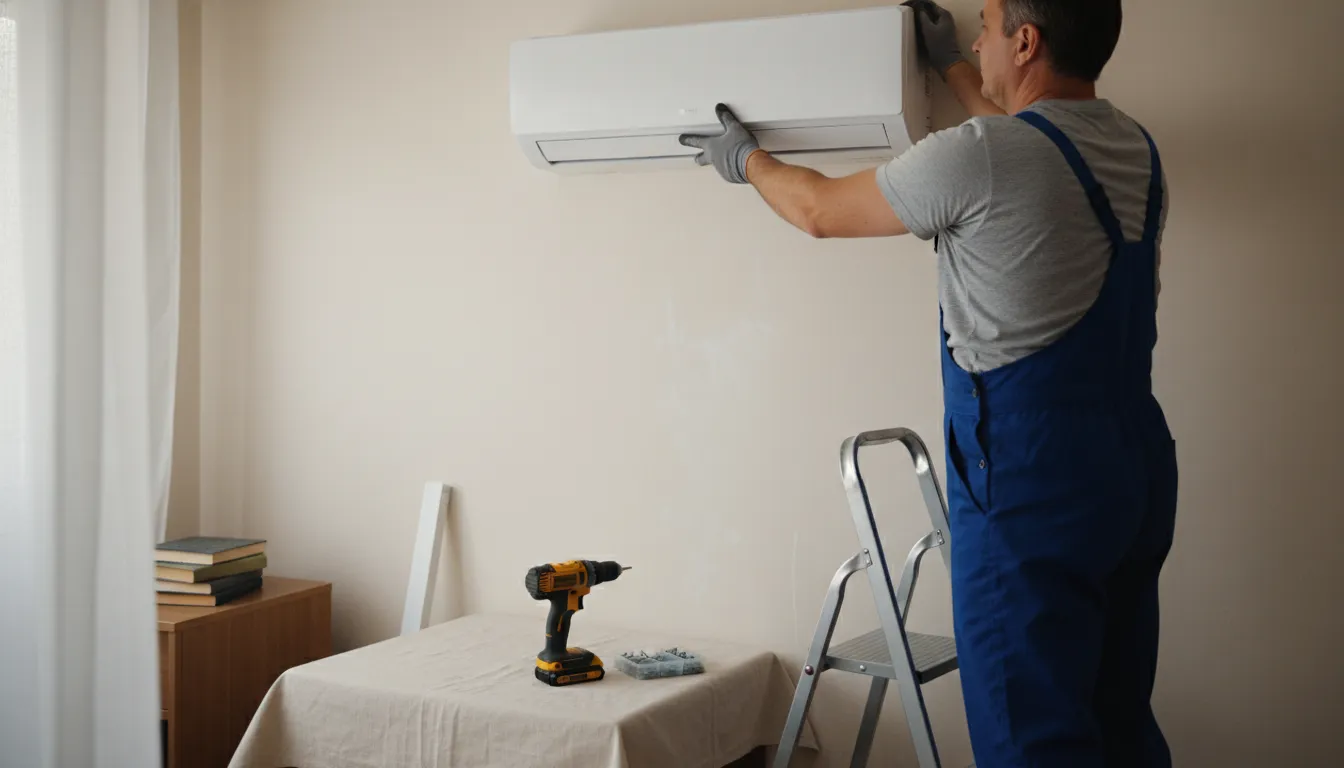
Find the Best AC Installation & Replacement Contractors for Your Business
No obligation • Fast responses • Nationwide coverage

Why you can trust HVAC Firms
HVAC Firms is a leading United States resource for evaluating HVAC service providers. Our team researches companies, checks credentials, and reviews customer feedback to present clear, unbiased information. Listings and rankings are based on merit, and companies cannot pay to change our editorial content.
Search providers near you
Top AC Installation & Replacement Contractors in Longmont, Colorado Ranked
Installing or replacing an air conditioning system is a significant investment in your Longmont home's comfort, efficiency, and value. A properly sized and professionally installed AC unit is crucial for managing our variable Front Range climate, from hot summer days to cool mountain evenings. This guide will help you understand the process, costs, and key considerations for air conditioning installation and replacement, empowering you to make informed decisions when selecting a local service provider.
True Heating & Cooling
1351 W 121st Ave, Westminster, CO 80234
True Heating & Cooling is an HVAC company based in Denver, CO, offering heating, air conditioning, and indoor air quality services. They serve Westminster and nearby areas including Broomfield and Boulder. Their services include installation, repair, and maintenance of furnaces, boilers, air conditioners, heat pumps, ductless mini-split systems, and thermostats. As NATE-certified technicians and official Lennox dealers, they provide skilled work with access to quality equipment. True Heating & Cooling has 24/7 emergency availability to address urgent HVAC needs.
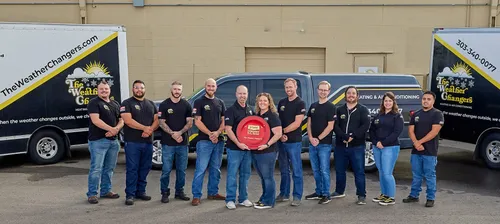
The Weather Changers Heating and Air Conditioning
10525 E 40th Ave #203, Denver, CO 80239
The Weather Changers Heating and Air Conditioning is an HVAC company based in Denver, CO, offering a full range of heating, cooling, and indoor air quality services. They provide installation, repair, and maintenance for air conditioners, furnaces, heat pumps, ductless systems, and thermostats. The company is a Bryant Factory Authorized Dealer and emphasizes proper sizing and installation to optimize system efficiency and longevity. They serve Denver and surrounding areas including Aurora, Centennial, and Parker. Their expertise includes indoor air quality solutions such as humidifier installation and duct cleaning. The Weather Changers has over 15 years of experience serving multiple properties and offers a 100% satisfaction guarantee.
Efficient Comfort: Heating, Cooling & Mechanical
10835 N Dover St #100, Westminster, CO 80021
Efficient Comfort: Heating, Cooling & Mechanical is a family owned and operated HVAC company serving Aurora, CO, and the surrounding Denver metro areas. Founded in 2007, the company offers a wide range of heating and cooling services including installation, repair, and maintenance of furnaces, air conditioners, heat pumps, boilers, and ductless mini splits. As Bryant Factory Authorized Dealers, they provide expertise in managing indoor air quality with accessories like air cleaners, humidifiers, ventilators, and UV lights. The company emphasizes ethical business practices and community involvement.
Comfort Pros Heating and Air Conditioning
7270 Gilpin Way #220, Denver, CO 80229
Comfort Pros Heating and Air Conditioning is a family-owned HVAC company serving Denver, CO, with over 15 years of experience. They specialize in the installation, repair, and maintenance of heat pumps, furnaces, air conditioners, boilers, and mini-split systems. Comfort Pros is known for working with high-quality manufacturers and providing thorough system analyses to help customers understand their options. Their team emphasizes clear communication and detailed explanations throughout each project.

Tonville HVAC LLC
710 N 7th Ave #1, Brighton, CO 80601
Tonville HVAC LLC is a locally owned HVAC company serving Denver, CO, and surrounding areas. Since 1987, they have provided heating, air conditioning, geothermal, and ventilation services including installation, repair, and maintenance of furnaces, boilers, rooftop units, and ductless mini splits. Their team is experienced in geothermal system work and offers emergency service along with industry-leading warranties on workmanship and parts.
Understanding Your Home's Cooling Needs
Before any work begins, a professional assessment of your home's specific cooling requirements is the most critical step. This isn't a one-size-fits-all calculation. In Longmont's semi-arid climate, factors like your home's orientation, insulation quality, window types, and even local sun exposure play a huge role in determining the correct system capacity.
The Importance of Manual J Load Calculations
Professional HVAC technicians don't guess; they use a standardized process called a Manual J load calculation. This detailed analysis, performed by your installer, considers every aspect of your home's thermal envelope to determine the precise cooling load in British Thermal Units (BTUs) or tons. Relying on a simple square-footage rule of thumb (like 1 ton per 400-600 sq ft) can lead to a system that is drastically oversized or undersized for your Longmont home 1 2 3. An oversized system will short-cycle, turning on and off frequently, leading to poor humidity control, uneven temperatures, and increased wear. An undersized system will run constantly, struggling to keep up on the hottest days and driving up your energy bills.
The AC Installation & Replacement Process Explained
A full air conditioner installation or swap-out is a multi-step project that requires technical skill and attention to detail. Understanding the process can help you know what to expect from your chosen provider.
Step 1: Consultation and System Design
This initial phase involves a walk-through of your home, discussion of your comfort goals, and the completion of the Manual J calculation. Your technician will also assess your existing ductwork, electrical service, and the location for the new outdoor condenser unit. This is the time to discuss options like high-efficiency models, smart thermostats, or zoning systems.
Step 2: Removal of the Old System
For replacement jobs, the existing outdoor condenser and indoor evaporator coil (often located with your furnace) are safely disconnected. Refrigerant is recovered according to EPA regulations, and the old equipment is removed from the site.
Step 3: Site Preparation and New Equipment Installation
The area for the new outdoor condenser is prepared, typically with a new, level concrete or composite pad. The new condenser is placed and secured. Inside, the new evaporator coil is installed into the air handler or furnace plenum. This step may involve modifications to the existing cabinet or ductwork connections.
Step 4: Connecting the System
Copper refrigerant lines are run between the indoor and outdoor units, properly insulated to prevent energy loss. New electrical wiring is connected from your home's panel to a disconnect box and then to the condenser. The condensate drain line from the indoor coil is installed or replaced to ensure proper moisture removal 4.
Step 5: System Startup, Testing, and Balancing
Once everything is physically installed, the technician will charge the system with the correct type and amount of refrigerant. They will then start the system, checking for proper operation, verifying refrigerant pressures, testing for leaks, and ensuring the condensate drain works. Finally, they will balance the airflow by adjusting dampers in your ductwork to ensure even cooling throughout your home 5 6.
Find the perfect ac installation & replacement contractors for your needs
Get personalized recommendations and expert advice
Cost Factors for AC Installation in Longmont
The total investment for a new air conditioning system in Longmont varies widely based on equipment choice, home size, and installation complexity. Based on local market data, homeowners can expect a broad range for a full, professional installation.
Typical Cost Ranges
For a standard, single-stage air conditioning system installation, including equipment and labor, costs in the Longmont area typically range from $6,500 to $9,2007 8 9. If you opt for a higher-efficiency, two-stage model for better temperature consistency and humidity control, the price generally increases to a range of $7,200 to $10,1007 8 9. For a complete forced-air HVAC system replacement (both furnace and AC) in a roughly 2,000-square-foot home, total costs often fall between $7,200 and $10,20010 8. It's important to note that complex jobs, homes with significant ductwork modifications, or installations of top-tier variable-speed equipment can push total costs to $15,000 or more7 11.
What's Included in the Price?
A comprehensive quote should cover all critical components: the new air conditioner equipment (condenser and evaporator coil), all professional labor for removal and installation, necessary electrical work, refrigerant lines and refrigerant charge, system startup and testing, and a standard warranty on both parts and labor. Always ensure you receive a detailed, written estimate that breaks down these elements.
Key Factors That Influence Your Final Cost
- System Efficiency: SEER (Seasonal Energy Efficiency Ratio) ratings directly impact price. Higher SEER units (16+, 18+, 20+) cost more upfront but offer significant long-term energy savings.
- Equipment Features: Two-stage or variable-speed compressors, communicating systems, and advanced air filtration add to the cost.
- Installation Complexity: Difficult access to the attic or condenser location, the need for a new electrical circuit, or significant ductwork redesign or repair will increase labor time and materials.
- Additional Components: Installing a smart thermostat, a zoning damper system, or a whole-house humidifier/dehumidifier are add-ons that enhance comfort but also affect the bottom line.
Choosing the Right System and Partner
Selecting your new AC involves more than just price. The right equipment and the right installing company are both essential for a successful outcome.
Types of Air Conditioning Systems
- Central Air Conditioners: The most common type for homes with existing forced-air furnace ductwork. They consist of an outdoor condenser and an indoor coil.
- Heat Pumps: An increasingly popular option in Colorado. They provide highly efficient cooling in summer and can also heat your home efficiently in milder winter weather, acting as a dual-purpose system.
- Ductless Mini-Splits: Ideal for homes without ducts, for room additions, or for creating independent temperature zones. They involve an outdoor compressor and one or more quiet, wall-mounted indoor air handlers.
Vetting Your Installation Professional
Look for a licensed, insured, and locally established company. Check for positive reviews on independent platforms and ask for references. A reputable provider will insist on performing a Manual J calculation, provide clear, written estimates, and have certified technicians on staff. They should also be willing to explain your options in detail without high-pressure sales tactics.
Maintaining Your New Investment
Once your new system is installed, protect your investment with regular maintenance. An annual pre-season tune-up, typically in the spring, is recommended. This service includes cleaning coils, checking refrigerant levels, inspecting electrical components, and ensuring the system is operating at peak efficiency. Proper maintenance not only extends the life of your AC unit but also helps it run more efficiently, keeping your energy bills in check.
Frequently asked questions
Sources
Footnotes
-
5 Steps on How To Size an HVAC System for Your New Installation - https://easternshorehvac.com/blog/how-size-hvac-system/ ↩
-
The Ultimate Guide to AC Installation: Tips for a Successful Setup - https://qualityheating.com/air-conditioning-system-installation-process/ ↩
-
What Size AC Unit Do I Need? [5 Pro Tips] | American Standard® - https://www.americanstandardair.com/resources/blog/what-size-ac-unit-do-i-need/ ↩
-
What Does AC Installation Include? A Comprehensive Guide - Air Necessity - https://airnecessityhvac.com/what-does-ac-installation-include-a-comprehensive-guide/ ↩
-
Air Conditioning Installation: A Step-by-Step Process - https://nexgenairandplumbing.com/blog/air-conditioning-installation-a-step-by-step-process/ ↩
-
FAQs - Daikin India - https://www.daikinindia.com/faqs ↩
-
What Is Included In Standard AC Installation? | Evergreen - https://evergreenhvacnc.com/what-is-included-in-standard-ac-installation/ ↩ ↩2 ↩3
-
How Much Does a New HVAC Replacement Cost in Colorado? - https://unicolorado.com/pricing/ ↩ ↩2 ↩3
-
AC Installation & Replacement Cost for Denver Metro - UniColorado - https://unicolorado.com/pricing/ac-installation-cost/ ↩ ↩2
-
How Much Does It Cost to Install a New HVAC System in a ... - https://blog.alloyhvac.com/2026/01/07/hvac-optimization-tips-colorado-homes-2024-16/ ↩
-
HVAC Units: a Guide to Types and Sizes - A/C Masters Heating & Air Conditioning Inc. - https://acmasters.com/a-guide-to-hvac-unit-types-sizes/ ↩