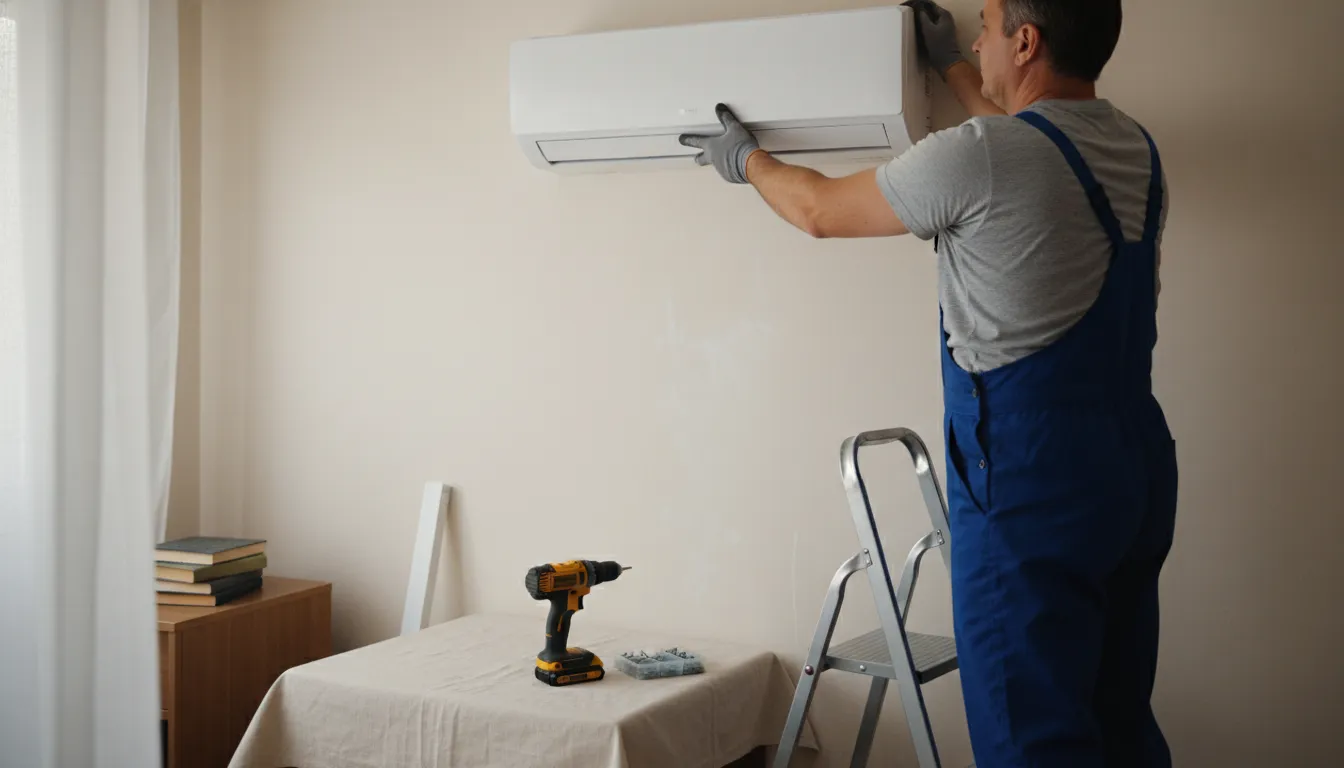
Find the Best AC Installation & Replacement Contractors for Your Business
No obligation • Fast responses • Nationwide coverage

Why you can trust HVAC Firms
HVAC Firms is a leading United States resource for evaluating HVAC service providers. Our team researches companies, checks credentials, and reviews customer feedback to present clear, unbiased information. Listings and rankings are based on merit, and companies cannot pay to change our editorial content.
Search providers near you
Best AC Installation & Replacement Contractors in Arkansas Ranked
Installing or replacing an air conditioning system is a significant investment in your Arkansas home's comfort, efficiency, and value. With the state's hot, humid summers, choosing the right system and a qualified professional is crucial for reliable cooling and manageable energy bills. This guide provides clear, practical information on the process, costs, and key considerations to help you navigate your AC installation or replacement project confidently.
Understanding Arkansas's Climate and AC Needs
Arkansas experiences long, sweltering summers with high humidity, placing substantial demands on air conditioning systems. This climate directly influences the type of equipment you need and how it should be installed for optimal performance.
- High Efficiency is Essential: To combat the heat without skyrocketing energy costs, modern, high-efficiency units are recommended. The Seasonal Energy Efficiency Ratio (SEER) rating measures cooling efficiency; a higher SEER means lower operating costs. For Arkansas homes, selecting a unit with a high SEER rating is a smart long-term investment.
- Humidity Control: Effective cooling isn't just about temperature; it's also about removing moisture from the air. Proper system sizing, airflow design, and features like variable-speed air handlers or integrated dehumidification are critical for maintaining comfort and preventing mold growth in Arkansas's humid conditions 1.
- System Longevity: A system that is correctly sized and installed for the local climate will experience less strain, operate more efficiently, and typically have a longer lifespan than one that is improperly matched to the environment.
Common AC System Types for Arkansas Homes
Choosing the right type of system is the first major decision. The most common options for residential properties in the state include:
Split System Air Conditioners (Central AC)
This is the most popular choice for Arkansas homes. A split system consists of an outdoor condenser unit and an indoor coil, usually paired with a furnace or air handler. They are known for their reliability, efficiency, and ability to cool an entire home evenly. Their modular design offers flexibility for installation in various home layouts.
Hybrid (Dual-Fuel) Systems
A hybrid system combines an electric heat pump with a gas furnace. This setup is highly efficient for Arkansas's varied weather. The heat pump handles cooling in summer and provides efficient heating during mild winters. When temperatures drop significantly, the system automatically switches to the gas furnace for more powerful and cost-effective heating. This dual approach can offer year-round energy savings 2.
Other Considerations
While less common for whole-home cooling in existing Arkansas residences, ductless mini-split systems can be an excellent solution for additions, sunrooms, or homes without existing ductwork. For new construction, geothermal heat pumps represent a high-efficiency option, though they involve a higher initial investment.
The AC Installation & Replacement Process: A Step-by-Step Guide
A professional installation follows a structured process to ensure safety, compliance, and optimal system performance. Understanding these steps can help you know what to expect.
- Initial Consultation and Load Calculation: A reputable professional will assess your home, discuss your needs, and perform a Manual J load calculation. This critical step determines the precise cooling capacity (in tons) your home requires-it's not a guess based on square footage alone. An oversized or undersized unit will lead to comfort issues, higher costs, and premature wear 3.
- System Selection and Proposal: Based on the load calculation and your budget, the contractor will recommend specific equipment options, explaining the benefits of different efficiency ratings (SEER), features, and brands. You should receive a detailed written proposal outlining the scope of work, equipment specifications, timeline, and total cost 4.
- Permitting and Preparation: Before work begins, the contractor typically secures any necessary local building or electrical permits. This ensures the installation will be inspected and meet all Arkansas and municipal codes. On installation day, the crew will prepare the work area, protecting your floors and furnishings.
- Removal of Old Equipment (for replacements): The existing outdoor condenser and indoor coil are safely disconnected, with refrigerant recovered according to EPA regulations. Old equipment is removed from the premises.
- New System Installation: This core phase involves multiple skilled trades:
- Setting the Outdoor Unit: The new condenser is placed on a stable, level pad.
- Installing the Indoor Unit: The new evaporator coil is installed in the plenum of your furnace or air handler.
- Refrigerant Lines and Electrical: New copper refrigerant lines are often run, and electrical connections are made to code.
- Ductwork Modifications: Existing ductwork is inspected, sealed, and modified if necessary to ensure proper airflow. In some cases, new ductwork may be installed.
- Thermostat Installation: A new programmable or smart thermostat is typically installed for optimal control.
- System Startup and Testing: Once physically installed, the technician will start the system, charge it with the correct amount of refrigerant, and perform a series of tests. This includes checking for refrigerant leaks, verifying electrical measurements, testing the safety controls, and measuring the temperature drop across the coil to ensure it's operating at peak efficiency.
- Customer Orientation and Documentation: A final walkthrough is conducted. The technician will show you how to operate your new thermostat and system, explain basic maintenance, and provide you with all manufacturer warranties and documentation.
A standard AC replacement typically takes 1 to 3 days, depending on the complexity of the job, such as whether new ductwork or electrical upgrades are needed 5.
Find the perfect ac installation & replacement contractors for your needs
Get personalized recommendations and expert advice
Cost Factors for AC Installation in Arkansas
The total investment for a new air conditioning system in Arkansas varies widely. Being aware of the key cost drivers can help you interpret estimates and plan your budget.
- System Type and Efficiency: A basic, standard-efficiency (14-16 SEER) split system will cost less upfront than a high-efficiency (18+ SEER) model or a hybrid heat pump system. The higher initial cost of efficient units is often offset by lower monthly utility bills.
- Home Size and Layout: Larger homes require larger capacity units (more tons), which are more expensive. The complexity of your home's layout can also impact labor time and material costs, especially if ductwork needs to be extended or redesigned.
- Ductwork Condition: One of the most significant variables. If your existing ducts are poorly sized, leaky, or in disrepair, modifying or replacing them adds considerable material and labor cost but is essential for performance. A simple replacement with sound existing ducts is far less expensive.
- Equipment Brand and Features: Premium brands and units with advanced features (e.g., two-stage compressors, smart diagnostics) command higher prices.
- Labor and Location: Labor rates can vary between different regions of Arkansas and between contractors. Urban areas like Little Rock may have different market rates than more rural counties.
Estimated Cost Ranges
Based on recent data for Arkansas:
- Standard Central AC Replacement: For a typical home with existing, usable ductwork, costs generally range from $3,000 to $7,000 for the equipment and basic installation 6.
- Little Rock Area Average: Specific estimates for central AC replacement in the Little Rock area often fall between approximately $4,300 and $5,900 7.
- Complex or High-End Installations: For larger homes, systems requiring all-new ductwork, or premium high-efficiency/hybrid systems, total costs can easily reach $10,000 or more 8 9.
Always obtain multiple detailed, written estimates to compare value, not just price.
How to Choose a Qualified Professional in Arkansas
The quality of the installation is as important as the quality of the equipment. A poor installation can undermine the efficiency and reliability of even the best system.
- Verify Licenses and Insurance: Ensure the contractor holds an active Arkansas HVAC Contractor License. They should also carry both liability insurance and workers' compensation insurance for your protection.
- Check References and Reviews: Ask for local references from recent jobs similar to yours. Read online reviews on multiple platforms (Google, BBB) to gauge reputation and customer service.
- Request Detailed Written Estimates: Avoid vague quotes. A proper estimate should itemize equipment (make and model numbers), labor, materials, permit fees, and warranty terms. This allows for an apples-to-apples comparison.
- Ask About Experience: Inquire how long they've been in business and their specific experience with your chosen system type (e.g., hybrid systems, high-SEER units).
- Understand the Warranties: Clarify what is covered by the manufacturer's equipment warranty versus the contractor's workmanship warranty. A strong workmanship warranty (often 1-2 years) is a sign of a confident installer.
Maintaining Your New AC System
Protect your investment and ensure years of efficient operation with regular maintenance. A professional tune-up once a year, ideally in the spring before cooling season, is recommended. This typically includes cleaning coils, checking refrigerant levels, tightening electrical connections, and inspecting components. Homeowners should also change their air filters regularly (usually every 1-3 months) and keep the area around the outdoor condenser unit clear of debris, plants, and obstructions.
Frequently asked questions
Sources
Footnotes
-
Factors to Consider When Installing a New HVAC | Fahnestock - https://fahnestockhvac.com/2023/03/13/10-factors-to-consider-when-installing-a-new-hvac-system-in-your-home/ ↩
-
Choosing the Right HVAC System for Your Home in Arkansas - https://scottsystemshvac.com/blog/choosing-right-hvac-system-arkansas ↩
-
Air Conditioning Installation: A Step-by-Step Process - https://nexgenairandplumbing.com/blog/air-conditioning-installation-a-step-by-step-process/ ↩
-
Residential HVAC Installation Process: A Comprehensive Guide - https://precisionairhc.com/blog/residential-hvac-installation-process/ ↩
-
Step-by-Step HVAC Installation Guide - Carrier - https://www.carrier.com/residential/en/us/products/air-conditioners/hvac-installation/ ↩
-
Cost of AC Installation in Searcy, AR | Your Pricing Guide - https://julianheatandair.com/ac-installation-costs-searcy-ar/ ↩
-
AC Installation in Little Rock, AR - Costs 12 / 2025 - Homeyou - https://www.homeyou.com/ar/ac-installation-little-rock-costs ↩
-
New HVAC System Cost Calculator: Get a Custom Estimate in 2026 - https://modernize.com/hvac/cost-calculator ↩
-
What Is The Average Cost For A New HVAC System? 2025 Shocking Facts - https://comforttemp.com/what-is-the-average-cost-for-a-new-hvac-system/ ↩