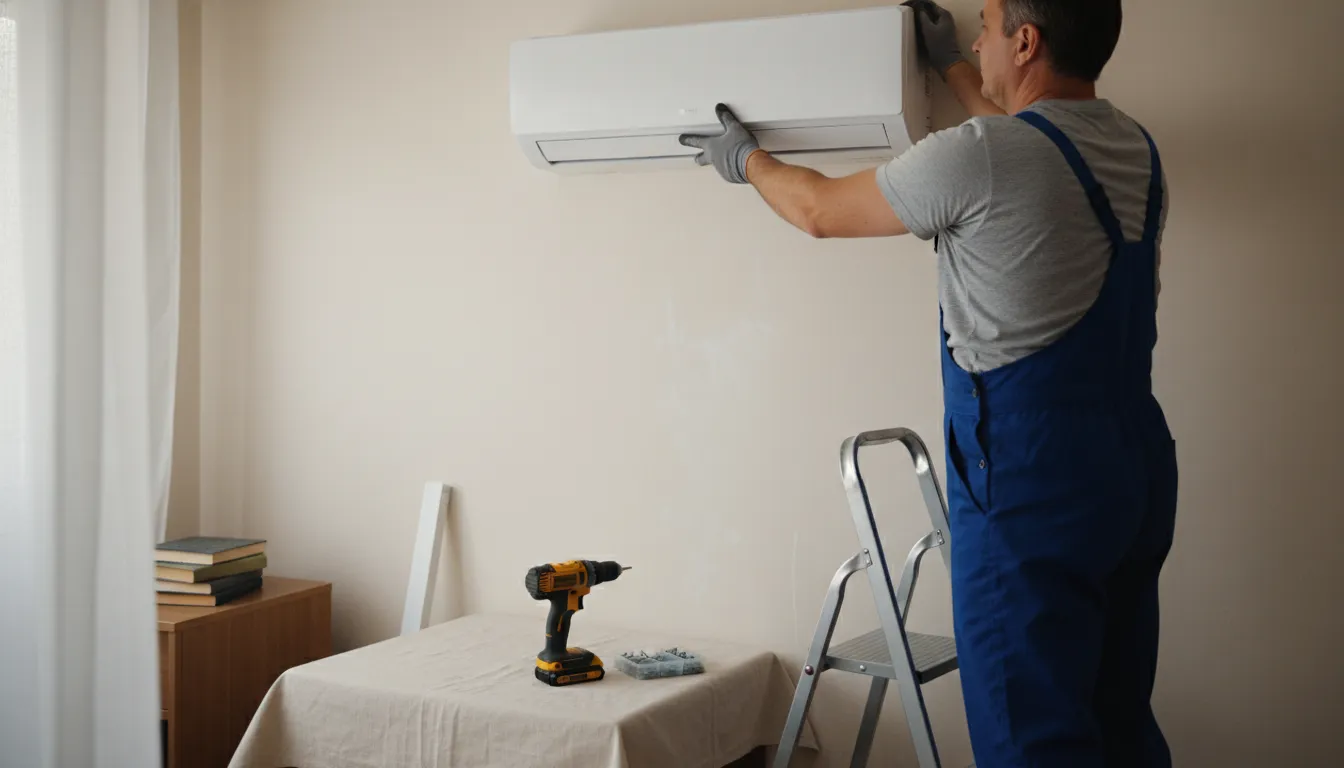
Find the Best AC Installation & Replacement Contractors for Your Business
No obligation • Fast responses • Nationwide coverage

Why you can trust HVAC Firms
HVAC Firms is a leading United States resource for evaluating HVAC service providers. Our team researches companies, checks credentials, and reviews customer feedback to present clear, unbiased information. Listings and rankings are based on merit, and companies cannot pay to change our editorial content.
Search providers near you
Best AC Installation & Replacement Contractors in Alaska Ranked
Installing or replacing an air conditioning system in Alaska is a unique project that balances the need for efficient summer cooling with the realities of a northern climate. While cooling demands are often milder than in the Lower 48, a properly sized and installed system is essential for comfort during warmer months and can significantly impact your home's energy efficiency year-round. This guide will help you understand the specific considerations, processes, and costs involved in air conditioning projects across Alaska, from Anchorage to Fairbanks, so you can make an informed decision when connecting with a qualified local professional.
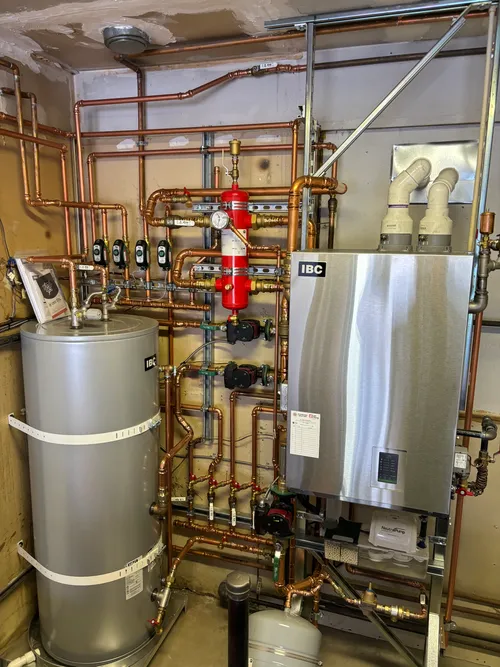
Diamond Heating & AirTemp Alaska
5406 Lake Otis Pkwy, Anchorage, AK 99507
Diamond Heating & AirTemp Alaska is an HVAC company based in Anchorage, AK, offering installation, repair, and maintenance services for heating and cooling systems. Their services include furnaces, boilers, heat pumps, mini-splits, water heaters, indoor air quality solutions, and thermostat installations. With over 25 years of experience, they provide high-efficiency and reliable heating products suited for the Alaskan climate. The company also offers smart thermostats and zoning controls to enhance system performance and comfort.
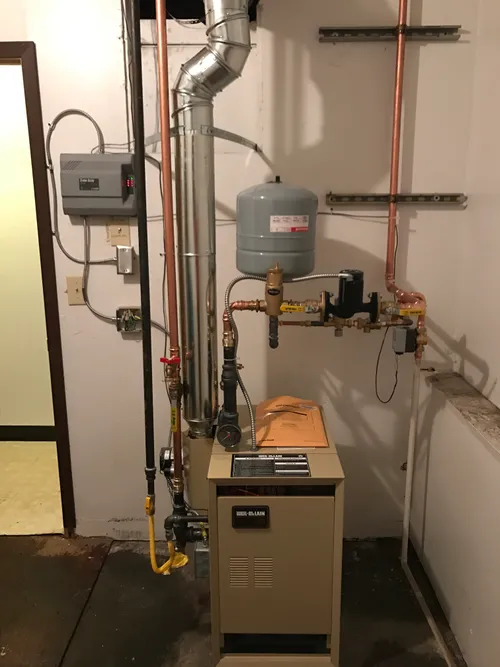
Hardy Heating Inc
9191 E Frontage Rd, Palmer, AK 99645
Hardy Heating Inc is an HVAC company serving Anchorage, AK, and the surrounding South Central Alaska area. Established in 1994, the company provides a range of services including air conditioning repair and installation, furnace and boiler repair and installation, and indoor air quality solutions for both residential and commercial customers. Hardy Heating offers emergency repair services and has expertise in maintaining heating and cooling systems to ensure comfortable indoor environments year-round. The company holds an A+ rating from the Better Business Bureau and is licensed and insured.
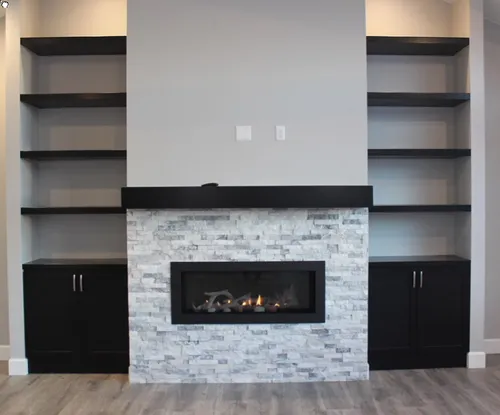
Bowker Mechanical HVAC LLC
7160 Anna Marie Dr, Wasilla, AK 99623
Bowker Mechanical HVAC LLC is a veteran-owned HVAC service and support company located in Wasilla, serving Anchorage, AK and the Mat-Su Valley. Founded in 1996, they provide heating, ventilation, and air conditioning installation, repair, and maintenance services for residential and commercial customers. As the only authorized Trane dealer in the Mat-Su Valley, they offer expertise in HVAC systems, including gas and wood burning fireplaces, and focus on indoor air quality solutions. Bowker Mechanical services all makes and models and is known for tailored solutions that fit unique customer needs.
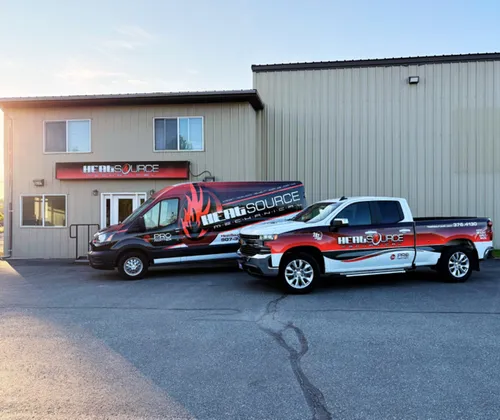
HeatSource Mechanical Inc.
2551 E Palmer-Wasilla Hwy, Wasilla, AK 99654
HeatSource Mechanical Inc. is an HVAC company serving Anchorage, AK, specializing in heating and air conditioning repair, installation, and indoor air quality services. They provide maintenance plans and solutions to improve ventilation and system efficiency. With over 35 years of experience, HeatSource Mechanical offers expertise in high-efficiency HVAC systems and preventative maintenance to extend equipment life and ensure safety. They serve the Wasilla and Fairbanks areas as well.
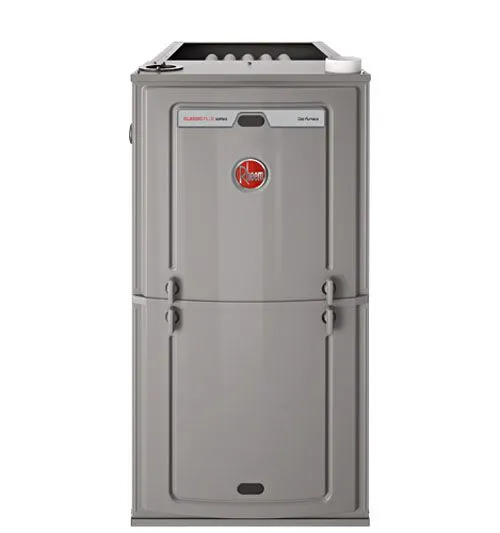
Eagle River Heating and Mechanical
19274 Middleton Loop, Eagle River, AK 99577
Eagle River Heating and Mechanical is a family-owned HVAC company serving Anchorage, AK. They offer a range of services including HVAC maintenance, furnace and AC installation, boiler repair, and indoor air quality solutions. The company specializes in mechanical sheet metal and ductwork, and installs air purification systems such as the REME HALO® whole home in-duct air purifier. Their team is state licensed and experienced with various heating and cooling systems, providing planned maintenance to help customers maintain system efficiency and air quality.
Understanding Alaska's Unique Cooling Needs
Alaska's climate presents distinct challenges and opportunities for residential cooling. Summers, while short, can bring surprisingly warm temperatures, especially in interior regions, making air conditioning a valuable comfort feature. However, the primary cooling demand is generally lower and less prolonged than in more southern states. This influences the type of systems that are most effective and economical.
The key is to focus on high-efficiency systems that can operate cost-effectively even with a lower annual cooling load. Systems must also be robust enough to handle the temperature swings and, in some cases, be integrated with existing heating infrastructure. The goal is not just to cool but to do so in the most energy-conscious way possible, which often involves technologies like inverter-driven compressors and advanced heat pump systems.
Types of Air Conditioning Systems for Alaskan Homes
Several system types are well-suited to Alaskan homes, each with its own advantages depending on your home's layout and existing infrastructure.
Ductless Mini-Split Systems
Ductless mini-splits are exceptionally popular in Alaska for both new installations and retrofits. They consist of an outdoor compressor/condenser unit connected to one or more indoor air-handling units mounted on walls or ceilings. Their major benefit is that they require no ductwork, making them ideal for homes without existing ducts, room additions, or for targeting specific hot spots. They are highly energy-efficient and can provide both cooling and heating, making them a versatile year-round solution.
Central Air Conditioning (Split Systems)
For homes with existing, functional ductwork, a central air system is a classic and effective choice. These systems use a central indoor evaporator coil (often paired with a furnace air handler) and an outdoor condenser unit to cool the entire home. Replacing an old central AC unit with a new, high-efficiency model is a common project. The efficiency of these systems is heavily dependent on the condition and design of the existing ductwork.
Heat Pumps (Air-Source)
Modern air-source heat pumps are arguably the most versatile option for Alaskan climates. They provide highly efficient electrical heating in cooler months and reverse the cycle to provide cooling in the summer. Advances in cold-climate heat pump technology have made them increasingly effective even in sub-freezing temperatures, offering a single system for year-round comfort. They can be configured as ductless mini-splits or as central systems connected to ductwork.
Critical Factors for System Selection
Choosing the right system involves more than just picking a type. Several technical factors are crucial for performance and cost-effectiveness in Alaska.
- High Efficiency (SEER2 Rating): The Seasonal Energy Efficiency Ratio (SEER2) is the modern standard for measuring cooling efficiency. In Alaska, opting for a unit with a high SEER2 rating (often 16 or above) is particularly important. A more efficient unit will have lower operating costs, which helps offset the higher initial investment over time, especially given the cooler baseline operating conditions 1.
- Proper Sizing (Load Calculation): An oversized AC unit will short-cycle (turn on and off frequently), leading to poor humidity control, uneven temperatures, and increased wear. An undersized unit will struggle to cool your home on warmer days. A professional should perform a Manual J load calculation, which considers your home's square footage, insulation, window types, and local climate data to determine the precise capacity needed (measured in tons).
- System Matching: For split systems, the outdoor condenser and indoor evaporator coil must be properly matched for optimal efficiency and longevity. Using mismatched components, even from the same brand, can reduce efficiency and void warranties. It's best to install a matched system as recommended by the manufacturer.
The AC Installation & Replacement Process: A Step-by-Step Overview
A professional installation follows a structured process to ensure safety, compliance, and optimal performance. Understanding these steps can help you know what to expect from your contractor.
- Initial Site Evaluation and Consultation: A qualified technician will visit your home to assess your cooling needs, discuss your goals, and evaluate the existing setup. They will check for adequate electrical service, suitable locations for outdoor and indoor units, and the condition of any existing ductwork. This is when a load calculation should be performed.
- System Design and Permitting: Based on the evaluation, the contractor will design the system layout. They will also handle pulling any required local mechanical or electrical permits, which is a critical step for ensuring the work is inspected and meets all building codes.
- Preparation and Removal: On installation day, the crew will prepare the work area. If replacing an old system, they will safely recover the refrigerant (a legally required procedure) and remove the old outdoor and indoor equipment.
- New Equipment Installation: The new outdoor condenser is placed on a stable, level pad (often concrete). The indoor unit-whether an evaporator coil in a furnace plenum or a wall-mounted mini-split head-is securely mounted. For ductless systems, a small hole is drilled for the refrigerant lineset.
- Ductwork and Electrical Connections: For central systems, any necessary modifications, sealing, or insulation of existing ductwork is performed. New refrigerant lines and electrical wiring are run between the indoor and outdoor units. The electrical connections are made at the outdoor disconnect and the home's breaker panel.
- System Testing and Startup: This is the most critical phase. The technician will evacuate moisture and air from the refrigerant lines, charge the system with the precise amount of refrigerant, and test all electrical and mechanical components. They will start the system, measure temperatures and pressures, check for proper airflow, and ensure the thermostat is communicating correctly. Finally, they will walk you through the basic operation of your new system 2.
Find the perfect ac installation & replacement contractors for your needs
Get personalized recommendations and expert advice
Project Timelines: How Long Does Installation Take?
The duration of an AC installation or replacement in Alaska can vary based on the project's complexity.
- Straightforward Replacement: Replacing an existing central AC or heat pump with a new, similar model where no ductwork or electrical upgrades are needed typically takes 1 to 2 days.
- New Installations or Complex Jobs: Installing a completely new system, especially one requiring new ductwork, electrical service upgrades, or a complex multi-zone ductless system, can take 3 or more days 3 4.
- Scheduling Factors: The overall timeline also depends on the contractor's backlog, the time required for permit approval from your local municipality, and the availability of the specific equipment model ordered 5.
Understanding Costs in Alaska
Investing in a new air conditioning system is significant, and costs in Alaska can be influenced by regional factors like logistics and a shorter seasonal workload for contractors.
- Central AC Replacement: For a standard central air conditioner replacement in an existing home with ductwork, homeowners can expect a general range. Recent estimates for 2025 suggest costs between $5,500 and $16,000 or more, with a typical 2-3 ton system starting around $5,500+ in the Alaska market 6 7.
- Ductless Mini-Split Installation: Installing a single-zone ductless system typically ranges from $3,500 to $8,000, depending on the brand and efficiency. Multi-zone systems serving multiple rooms will cost more.
- Key Cost Factors:
- System Size and Type: Larger capacity (tons) and more advanced system types (e.g., cold-climate heat pump) increase cost.
- Efficiency Rating: Units with higher SEER2 ratings have a higher upfront cost but lower operating expenses.
- Equipment Brand: Premium brands often come at a price premium.
- Installation Complexity: Costs rise with the need for new electrical circuits, extensive ductwork modifications, or challenging access to installation sites.
- Labor: Rates vary by contractor and region within the state 8 9.
It's crucial to obtain detailed, written estimates from multiple licensed contractors. The estimate should break down equipment, materials, labor, and permit fees, and should never be based solely on square footage without a proper load calculation.
Frequently asked questions
Sources
Footnotes
-
AC Replacement Costs in 2025: Full Pricing Guide by System Type ... - https://bpmhvac.com/air-conditioning/ac-replacement-cost-guide/ ↩
-
Step-by-Step HVAC Installation Guide - https://www.carrier.com/residential/en/us/products/air-conditioners/hvac-installation/ ↩
-
A Step-by-Step Guide to Installation Timelines - Ambrose Air - https://ambroseair.com/a-step-by-step-guide-to-installation-timelines-what-to-expect-during-your-ac-upgrade/ ↩
-
HVAC Installation Process Explained step by step - https://hartzellsheatair.com/blog/hvac-installation-process-explained-step-by-step ↩
-
How Long Does it Take to Install an AC Unit? - https://jacobsheating.com/blog/air-conditioning-install-time/ ↩
-
Central Air Conditioning Replacement: Your 2025 Upgrade Guide - https://www.tcmemt.com/post/central-air-conditioning-system-replacement-essential-guide-for-spring-2025-upgrades ↩
-
Alaska Air Conditioners Costs & Prices - ProMatcher Cost Report - https://air-conditioning.promatcher.com/cost/alaska.aspx ↩
-
Step-by-Step HVAC Replacement Guide - Carrier - https://www.carrier.com/residential/en/us/products/heating-cooling/hvac-replacement/ ↩
-
HVAC Installation Costs and Breakdowns - TMC Heating and Cooling - https://tmcservice.com/hvac-installation-costs-and-breakdowns/ ↩